+Milionária Lottery: No Grand Prize Winner, Jackpot Reaches R$ 75 Million
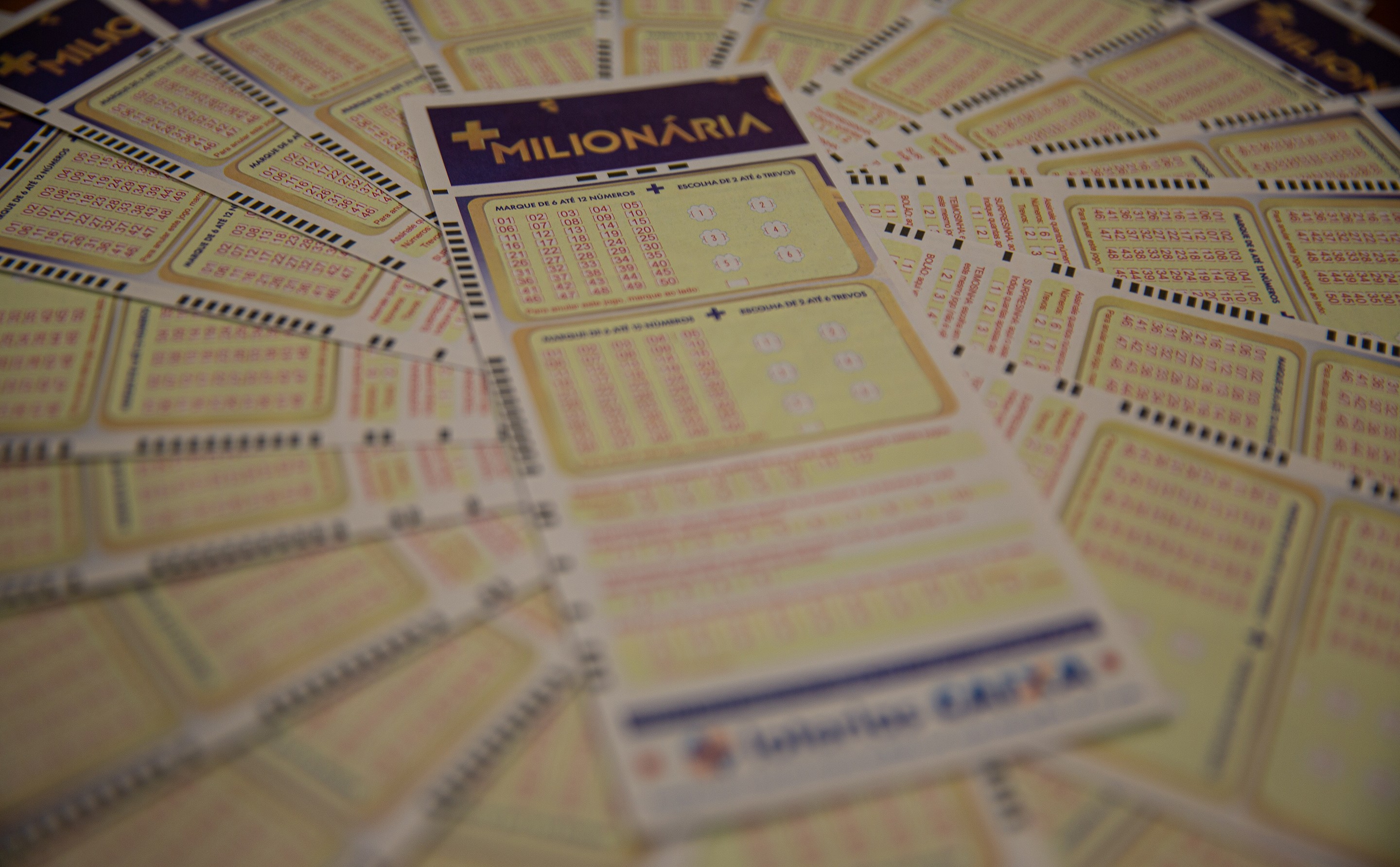
The lottery game +Milionária held its 373rd drawing on Sunday, November 19th, but no player managed to match all six main numbers and two "trevos" (clover numbers) to win the top prize. Consequently, the jackpot has rolled over and is now estimated at R$ 75 million for the next drawing. The winning numbers drawn were 10, 17, 19, 37, 40, and 50, with "trevos" 2 and 3. While the grand prize went unclaimed, there were several winners in lower prize tiers. Three players matched five main numbers plus two "trevos," each earning R$ 117,484.03. Another 34 players matched five numbers and one or zero "trevos," receiving R$ 4,607.22 each. The next drawing for the +Milionária lottery is scheduled for Wednesday, November 22nd. The game involves selecting six numbers from 50 and two "trevos" from six. Prizes are awarded for matching two to six main numbers, combined with one or two "trevos." Players can also opt for the "Surpresinha" (random number selection) or "Teimosinha" (repeating a bet for consecutive drawings). The minimum bet costs R$ 6, with odds and prize amounts varying based on the number of selections.
This lottery drawing highlights the inherent probabilities of large-jackpot games, where the odds of winning the top prize are statistically very low, leading to frequent rollovers and accumulating substantial prize pools. The distribution of prize money across various winning combinations demonstrates a tiered reward system designed to maintain player engagement even when the grand prize is not claimed. From a systemic perspective, lotteries like +Milionária function as a form of voluntary taxation, generating revenue for the administering entity (Caixa Econômica Federal in this case) while offering a small chance of significant financial gain to participants. The accumulation of large jackpots can create a powerful psychological draw, potentially encouraging more participation based on the perceived value of the opportunity, rather than a rational assessment of the odds.
AI-generated to prompt reflection — not editorial opinion, not advice, not a statement of fact. How this works.