Millet Production Area Shrinking, Imports Rising: Festival Spectacle or Ritual?
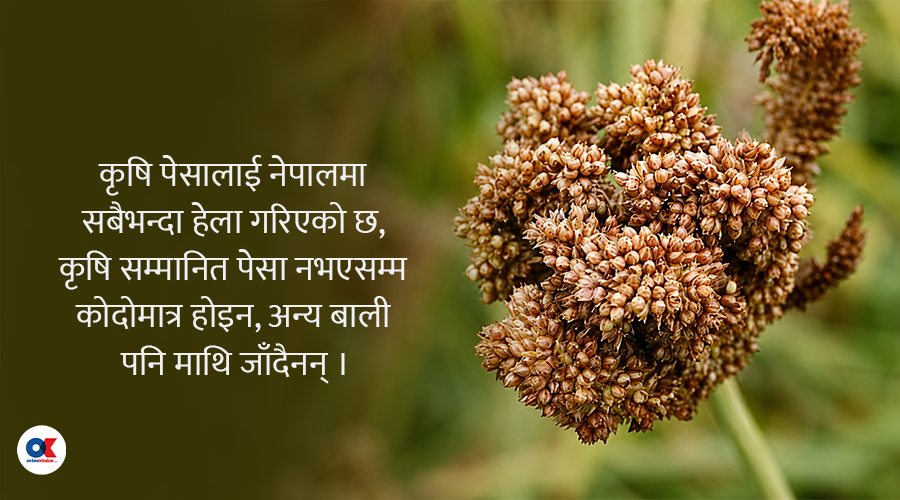
Millet cultivation in Nepal is declining, with farmers showing insufficient interest in the crop. Despite this trend, the government's own statistics reveal that Nepal imports millions of rupees worth of millet annually. While urban populations are increasingly showing a preference for millet-based products, the cultivation of millet in rural areas continues to decrease. This situation raises questions about the effectiveness of initiatives and celebrations aimed at promoting millet, suggesting they may be more symbolic than substantive. The growing reliance on imports highlights a disconnect between consumption patterns and domestic agricultural output. The government's data underscores a significant financial outflow for a crop that could potentially be produced domestically. The disparity between urban demand and rural supply points to underlying challenges in agricultural policy and farmer engagement. This trend could have long-term implications for food security and the local economy if not addressed proactively.
The declining area dedicated to millet cultivation in Nepal, juxtaposed with rising import figures and increasing urban demand for millet products, suggests a potential disconnect between agricultural policy, farmer incentives, and evolving consumer preferences. While festivals and awareness campaigns may aim to boost millet's profile, their impact on actual production appears limited, raising questions about the efficacy of current promotional strategies. This situation warrants an examination of systemic factors influencing agricultural choices, such as market access, profitability, and the availability of modern farming techniques for traditional crops. Addressing these underlying issues could foster greater domestic production, reduce import dependency, and align Nepal's agricultural sector more closely with both traditional heritage and contemporary market dynamics.
AI-generated to prompt reflection — not editorial opinion, not advice, not a statement of fact. How this works.