Millions of Medicare Beneficiaries May Face Higher Drug Costs Under Trump Administration Plan
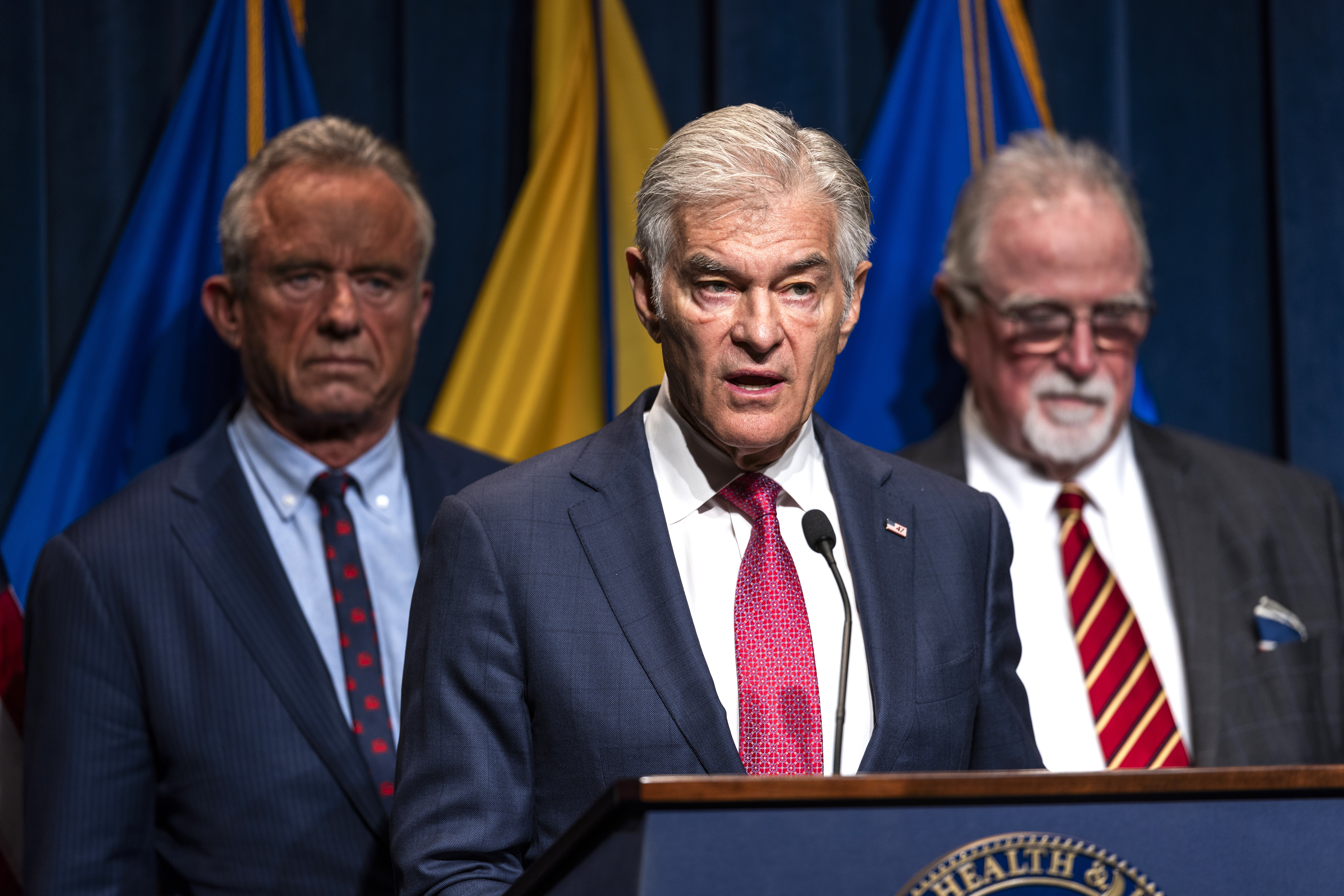
The Trump administration announced plans to end a program that subsidizes monthly prescription drug premiums for Medicare beneficiaries. This initiative aimed to lower out-of-pocket costs for many seniors and individuals with disabilities enrolled in Medicare Part D. The proposed termination of this program raises concerns about a potential increase in the cost of medications for millions of Americans who rely on Medicare for their healthcare needs. The specific details of the program's termination and the projected impact on beneficiaries' budgets are expected to be further clarified as the policy moves forward. This decision reflects a broader trend of policy changes impacting healthcare affordability and access for vulnerable populations. The administration's rationale behind this move is likely tied to budgetary considerations or a re-evaluation of subsidy programs. However, the immediate consequence could be a significant financial burden on those least able to absorb rising expenses. The long-term implications for prescription drug affordability and Medicare's sustainability are also under scrutiny.
The Trump administration's proposed termination of a Medicare drug premium subsidy program introduces a significant policy shift with potential implications for healthcare affordability. This action can be viewed through the lens of fiscal policy, where reducing government expenditure on subsidies is a common objective. However, from a public health and social equity perspective, such a move could disproportionately affect lower-income Medicare beneficiaries, potentially leading to reduced medication adherence and poorer health outcomes. The decision highlights a systemic tension between fiscal conservatism and the imperative to ensure equitable access to essential healthcare services. Future policy decisions in this area will likely involve balancing budgetary constraints against the societal cost of increased healthcare burdens on individuals, particularly in the context of an aging population and rising pharmaceutical prices.
AI-generated to prompt reflection — not editorial opinion, not advice, not a statement of fact. How this works.