Millions of Slovaks Face Major Heating Changes Amidst Policy Shift
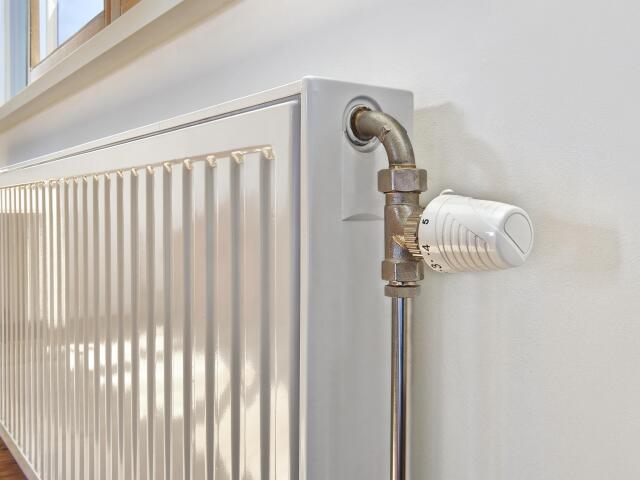
Over two million Slovaks are set to experience significant changes in their heating systems as the state introduces new regulations. The proposed policy aims to make it easier for apartment buildings to transition to independent heating solutions. However, a key concern is how the costs incurred by heating plants, which will be left behind by these departing buildings, will be reallocated. These residual costs could potentially be distributed among the remaining consumers, leading to increased bills for some households. The government's initiative seeks to modernize heating infrastructure, but the financial implications for consumers are a central point of debate.
This policy shift in Slovakia's heating sector reflects a broader trend towards decentralized energy systems, driven by technological advancements and a desire for greater consumer control. The potential for increased individual building autonomy in heating is a positive step towards energy efficiency. However, the proposed cost reallocation mechanism warrants careful scrutiny. Ensuring a fair distribution of residual costs from communal heating plants is critical to prevent disproportionate financial burdens on certain consumer groups. Future policy should focus on transparent cost-sharing models and incentives for all stakeholders to invest in sustainable heating solutions, fostering a balanced transition that benefits both individual consumers and the overall energy infrastructure.
AI-generated to prompt reflection — not editorial opinion, not advice, not a statement of fact. How this works.