Millions Wasted on Empty Rural Schools in South Africa
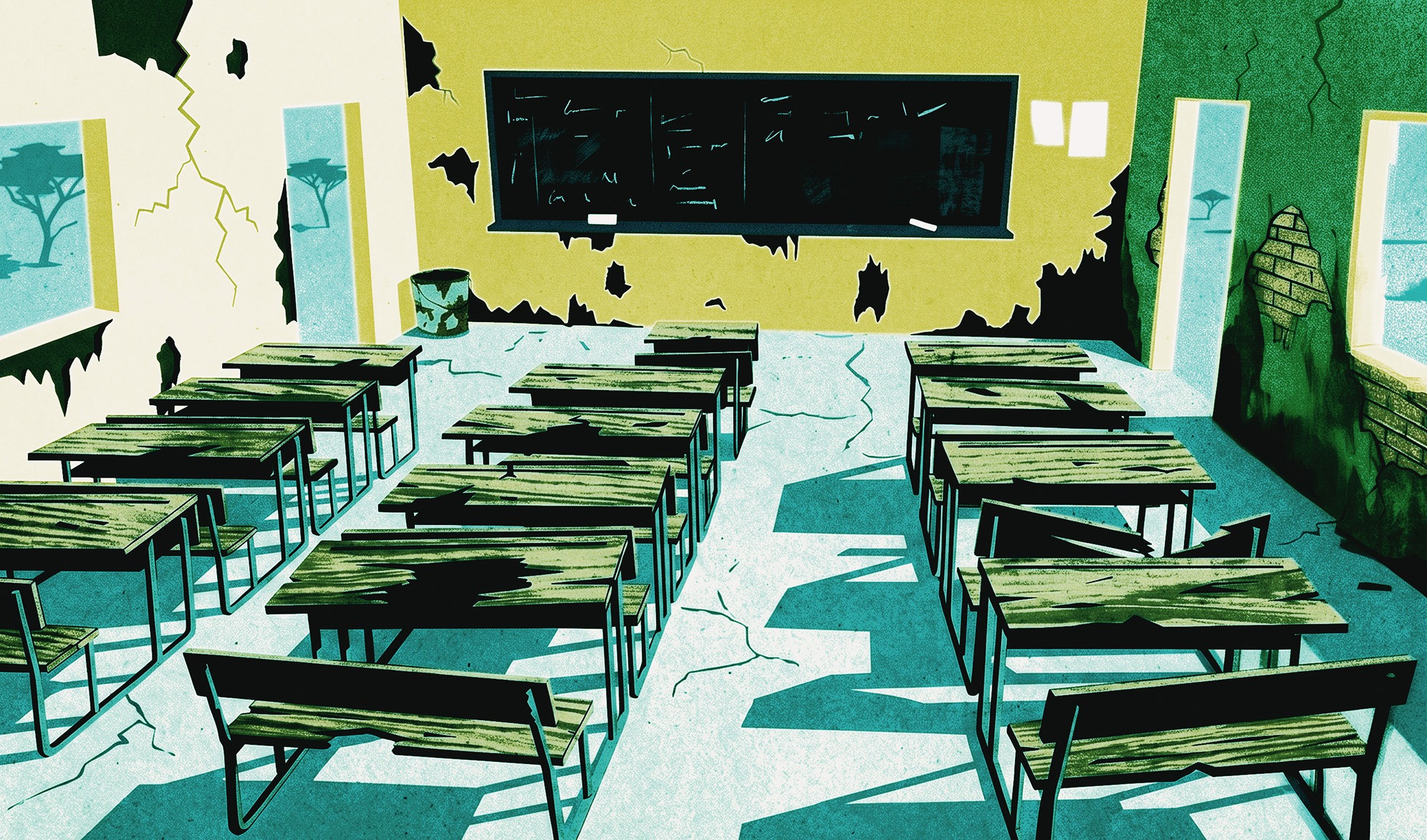
South Africa is facing a significant issue with millions of rand being wasted on newly built rural schools that remain empty due to a lack of learners. These "white elephant" school infrastructures represent a fruitless expenditure of approximately R4 million. The problem stems from a migration of pupils from rural areas to the more economically developed provinces of Gauteng and the Western Cape. This exodus of students exacerbates overcrowding in urban schools, while the rural facilities stand unused. The situation highlights systemic failures in educational infrastructure planning and resource allocation within the country. These empty schools are a stark symbol of misspent public funds and a failure to address the root causes of rural depopulation and educational disparities.
The reported wastage of R4 million on unused rural schools in South Africa points to a critical disconnect between infrastructure development and demographic realities. This situation underscores a potential systemic flaw in educational planning, where investment decisions may not adequately account for population migration patterns or local economic development. The migration of learners to Gauteng and the Western Cape suggests that educational and economic opportunities are perceived as significantly better in these urban centers, leading to a concentration of resources and a depletion of rural capacity. Future planning should consider more integrated approaches, potentially linking school construction to broader rural development strategies or exploring alternative uses for educational facilities in depopulating areas. This would ensure public funds are utilized effectively and contribute to more equitable development across all regions.
AI-generated to prompt reflection — not editorial opinion, not advice, not a statement of fact. How this works.
