Minas Gerais Agricultural Research Company Invests R$2 Million in Coffee Oil Extraction Lab
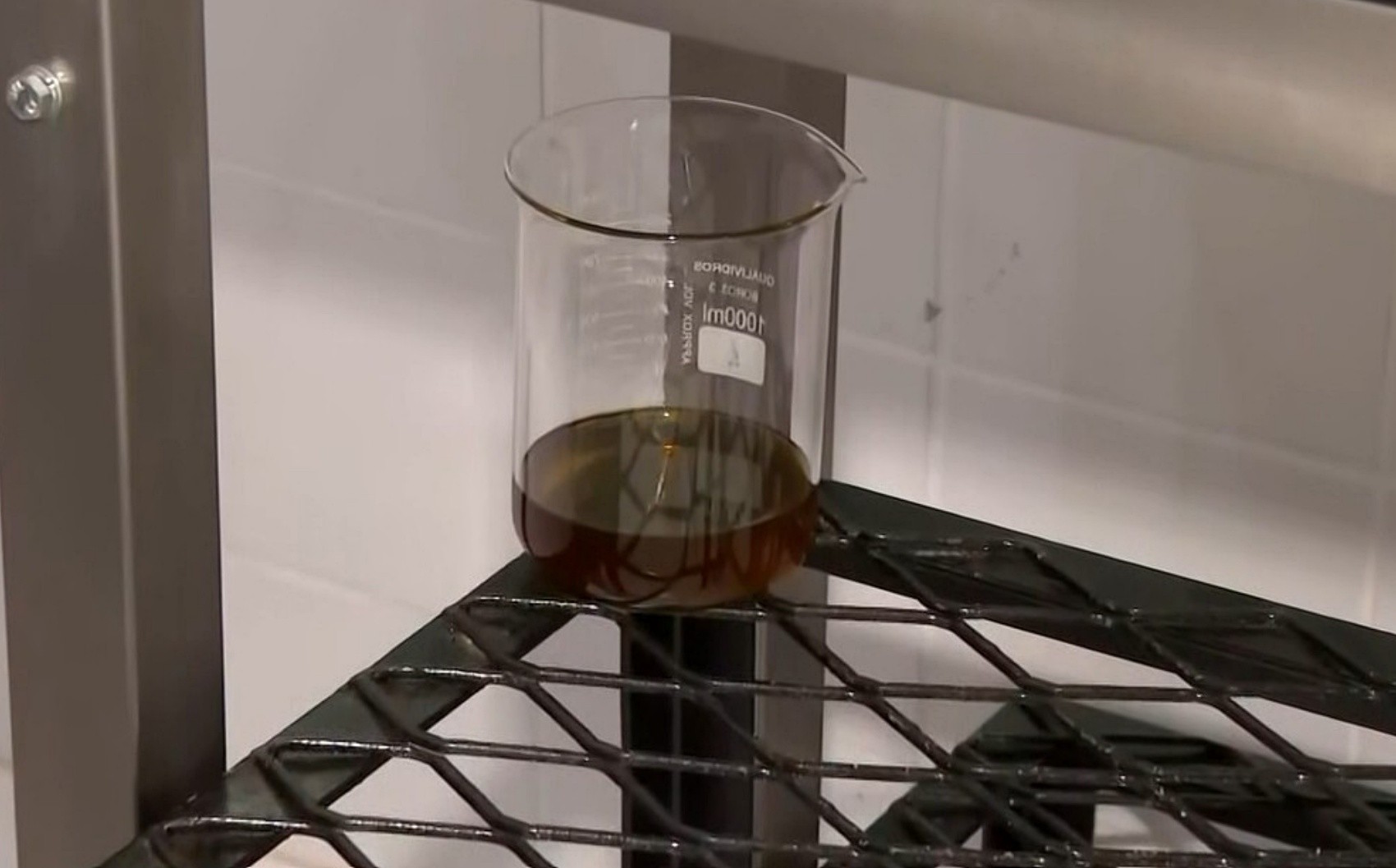
The Agricultural Research Company of Minas Gerais (Epamig) has launched a new laboratory in Lavras, Southern Minas Gerais, dedicated to extracting oil from coffee beans. This initiative, housed within the Federal University of Lavras (Ufla), received nearly R$2 million in funding from the Minas Gerais State Research Support Foundation (Fapemig). The primary goal of the Lab Óleos Café is to develop technologies that enhance oil extraction yield and reduce associated costs. This project aims to increase the utilization of coffee, create new income streams for producers, and foster innovation within the coffee sector. The lab employs a pressing technology for oil extraction from coffee beans, with research also exploring the use of agro-industrial waste and roasted coffee for oil production, focusing on its aroma and color. Researchers are working to optimize the pressing and filtration techniques, making them more efficient and accessible. A key objective is to democratize this technology for small producers and agro-industries, encouraging the development of domestic machinery to add value to Brazilian coffee. The extracted coffee oil, rich in antioxidant and moisturizing properties, is currently primarily used in the cosmetics industry for products like shampoos, conditioners, and moisturizers. Epamig is also collaborating with Ufla on a biocosmetics project that utilizes coffee oil and other coffee by-products to create active ingredients, positioning Minas Gerais as a leader in both coffee production and the supply of natural raw materials.
This investment by Epamig and Fapemig represents a strategic move to diversify the value chain of a major agricultural commodity, coffee. By focusing on extracting high-value compounds like coffee oil for the cosmetics and potentially pharmaceutical industries, the initiative aims to capture greater economic benefit from existing production. The emphasis on developing cost-effective and accessible technologies, including domestic machinery, suggests a forward-thinking approach to empowering local producers and agro-industries. This aligns with broader trends in the bioeconomy and circular economy, where agricultural by-products and waste streams are increasingly viewed as valuable resources. The success of this venture will likely depend on the scalability of the extraction process, the market demand for coffee oil-based products, and the ability to navigate regulatory landscapes for cosmetic and pharmaceutical ingredients.
AI-generated to prompt reflection — not editorial opinion, not advice, not a statement of fact. How this works.