Minas Gerais Battles 46 Fire Outbreaks in 48 Hours Amid Dry Spell
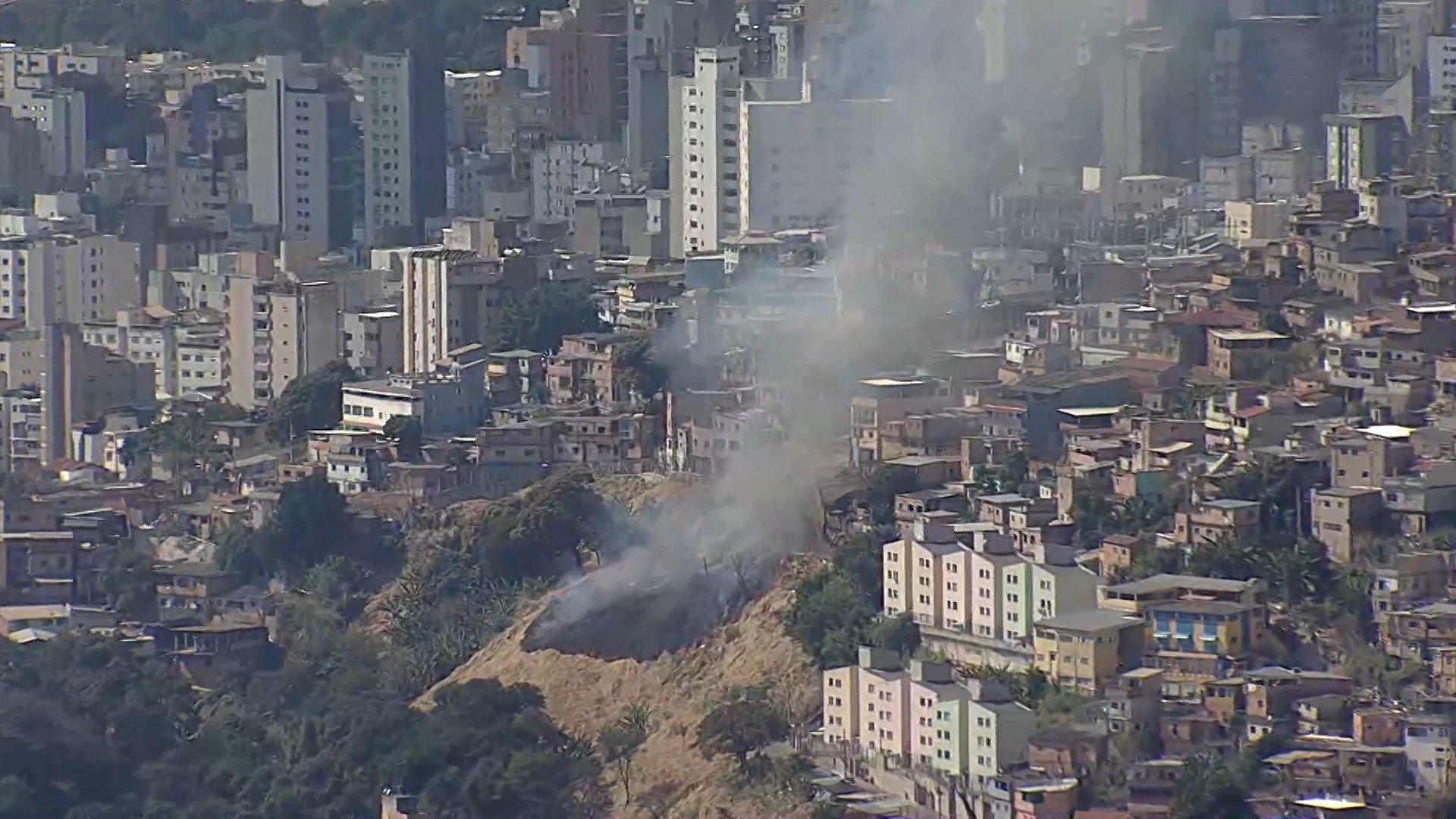
Minas Gerais has recorded 46 fire outbreaks in the past 48 hours, according to data from the National Institute for Space Research (Inpe). This surge in fires is occurring during a dry season that significantly increases the risk and spread of vegetation fires. Two major incidents on Friday, September 24th, required the intervention of the Fire Department in the Greater Belo Horizonte area. One fire occurred in a Protected Environmental Area (APA) in Nova Lima, and another affected Morro do Papagaio in the capital's Central-South region.
The most extensive firefighting operation took place in the APA Sul of the Belo Horizonte Metropolitan Region in Nova Lima, near Alphaville. Firefighters and brigadistas worked for a second consecutive day to contain flames in this vital conservation area, which safeguards native vegetation and regions like the Gandarela and Caraça mountain ranges. The operation involved 38 personnel, including military firefighters, brigadistas, and volunteers from local condominium brigades. Drones were used for monitoring after the fire was controlled to prevent re-ignition, with human action suspected as the cause.
Meanwhile, a vegetation fire in the Santo Antônio neighborhood of Belo Horizonte alarmed residents. The flames, which began on a plot above Parque Santo Antônio, rapidly spread through dry vegetation, approaching homes on Morro do Papagaio. The Fire Department, with support from the Military Police and brigadistas, successfully controlled this incident. Reports suggest this fire may have been caused by the burning of wires for copper extraction. Fire officials are urging the public to take preventative measures during the dry season, such as avoiding open fires, not discarding cigarette butts in vegetated areas, and refraining from launching balloons, which is a crime.
The recent surge in wildfires across Minas Gerais, particularly in the Greater Belo Horizonte area, highlights the critical interplay between natural environmental conditions and human activity. The dry season, characterized by desiccated vegetation and low humidity, creates a highly flammable landscape. When combined with suspected human causes, such as intentional burning for land clearing or opportunistic acts like copper wire extraction, the risk of large-scale fires escalates dramatically. This pattern underscores a systemic challenge in balancing land use, environmental protection, and public safety, especially in areas adjacent to urban centers and vital ecological reserves. Future strategies may need to focus on enhanced public education, stricter enforcement against arson and negligence, and potentially improved early detection and rapid response systems, particularly considering the increasing frequency of extreme weather events predicted in the coming decade.
AI-generated to prompt reflection — not editorial opinion, not advice, not a statement of fact. How this works.