Minas Gerais City Councilors Demand Changes to Hospital Bed Allocation System
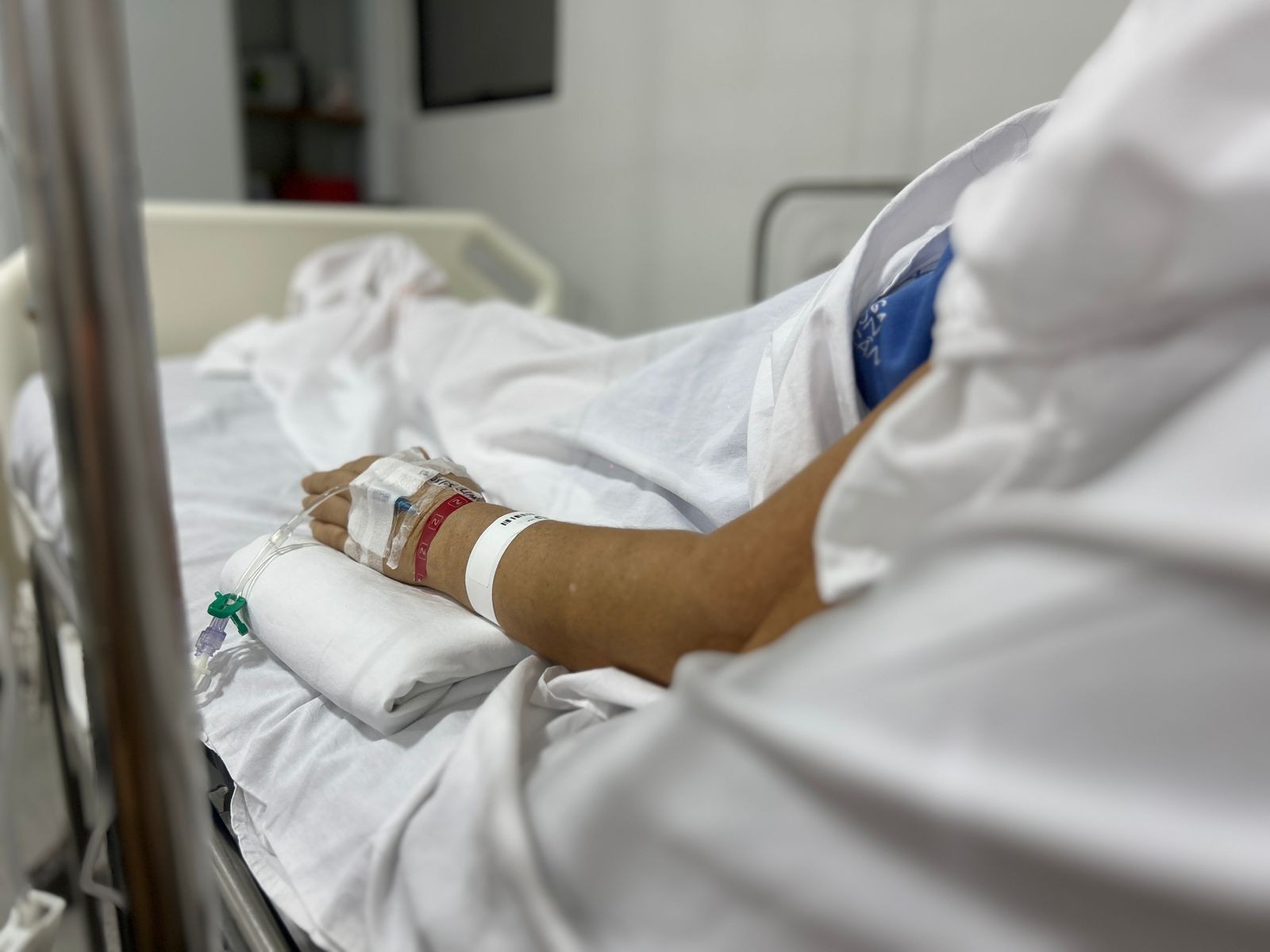
City councilors from Passos, Minas Gerais, have joined mayors from the Association of Municipalities of the Microregion of Médio Rio Grande (Ameg) in requesting significant adjustments to the new State Regulation Operations Center (Core/MG). This system, which began operating on May 19th, replaced the previous SUS Fácil system for managing hospital bed allocations across the state. The State Health Secretariat (SES) stated that Core/MG aims to streamline the organization and administration of access to urgent and emergency care. However, both health managers and patients have expressed dissatisfaction with its performance. Complaints highlight that the new system is causing delays in hospital admissions and forcing patients to travel far from their homes for treatment. Councilman Miguel Rosa da Silva, part of the health commission, advocated for regionalizing admissions and bolstering the Santa Casa de Passos, the region's leading hospital. He argued that transferring patients from Passos to other cities is unnecessary when local facilities are adequate. Silva believes a macro-regionalized system would improve patient flow and better serve the region. The SES committed to reviewing these demands but provided no timeline or guarantees for implementing the requested changes. EPTV, an affiliate of Rede Globo, sought comment from the secretariat but received no response by the time of publication.
The introduction of Core/MG signifies a state-level attempt to centralize and optimize hospital bed allocation, a complex logistical challenge exacerbated by seasonal health demands. While the stated objective is improved efficiency and access to urgent care, the reported delays and patient displacement suggest potential systemic friction. The councilors' call for regionalization and strengthening local facilities points to a tension between centralized control and localized healthcare needs. Future iterations of such systems will need to balance state-wide coordination with the specific capacities and demands of individual regions to ensure equitable and timely patient care, particularly as demographic shifts and public health crises continue to evolve.
AI-generated to prompt reflection — not editorial opinion, not advice, not a statement of fact. How this works.