Minas Gerais Court Approves Judicial Recovery for Saritur Transport Group
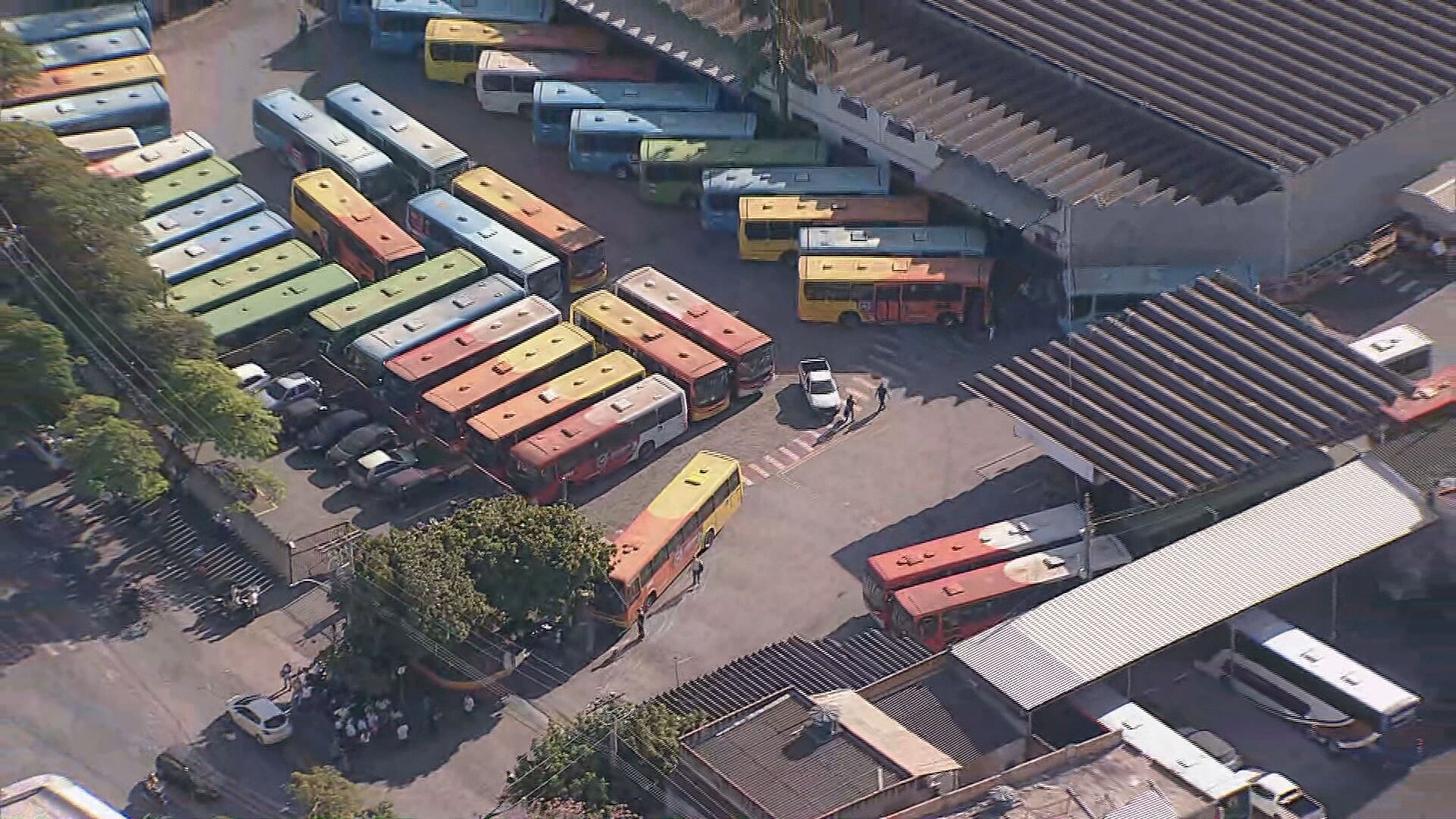
A court in Minas Gerais, Brazil, has approved a judicial recovery request for the Saritur Group, a major passenger transport conglomerate in the state. The decision, issued by Judge Claudia Helena Batista of the 1st Business Court of Belo Horizonte, encompasses over 40 companies within the group, including Autotrans, Transnorte, and Viação Jardins. The group's total debt amounts to R$ 959,753,597. Judicial recovery allows companies facing financial distress to renegotiate debts and continue operations while developing a plan for financial reorganization, aiming to avoid bankruptcy.
Saritur attributes its financial crisis to the impacts of the COVID-19 pandemic, which reduced passenger numbers, coupled with rising operational costs like fuel and maintenance, and a slow recovery in public transport demand. The court's decision suspends legal actions and executions against the group's companies for 180 days, a period known as the 'stay period.' This measure aims to prevent disruptions to passenger transport services during the recovery process. The court also prohibited the seizure of essential assets such as buses and garages. Funds generated from transport operations will be directly deposited into company accounts to cover essential expenses, including salaries, fuel, and fleet maintenance.
The Saritur Group has 60 days to submit a recovery plan to the court, outlining its strategy for financial reorganization and debt repayment. Creditors will then review and vote on the plan. Failure to present a plan or its rejection could lead to the conversion of the recovery process into bankruptcy. A judicial administrator has been appointed to oversee the process and represent creditors. Passengers are expected to experience normal service operations throughout the judicial recovery proceedings, as maintaining service continuity was a key factor in the court's decision.
The judicial recovery filing by the Saritur Group highlights systemic challenges within Brazil's public transport sector, exacerbated by the pandemic. The group's stated reliance on pandemic impacts and rising operational costs points to a potential mismatch between fare structures, government subsidies, and the true cost of service provision. The court's swift action to protect essential assets and ensure continued service demonstrates a priority for public welfare, yet the substantial debt indicates underlying financial vulnerabilities. Moving forward, the effectiveness of Saritur's recovery plan will depend not only on internal restructuring but also on broader policy considerations regarding public transport funding models and operational efficiency in an era of evolving mobility patterns and increasing operational expenditures.
AI-generated to prompt reflection — not editorial opinion, not advice, not a statement of fact. How this works.
