Minas Gerais Court Overturns Corruption Conviction, Acquits Former Belo Horizonte Mayor Alexandre Kalil
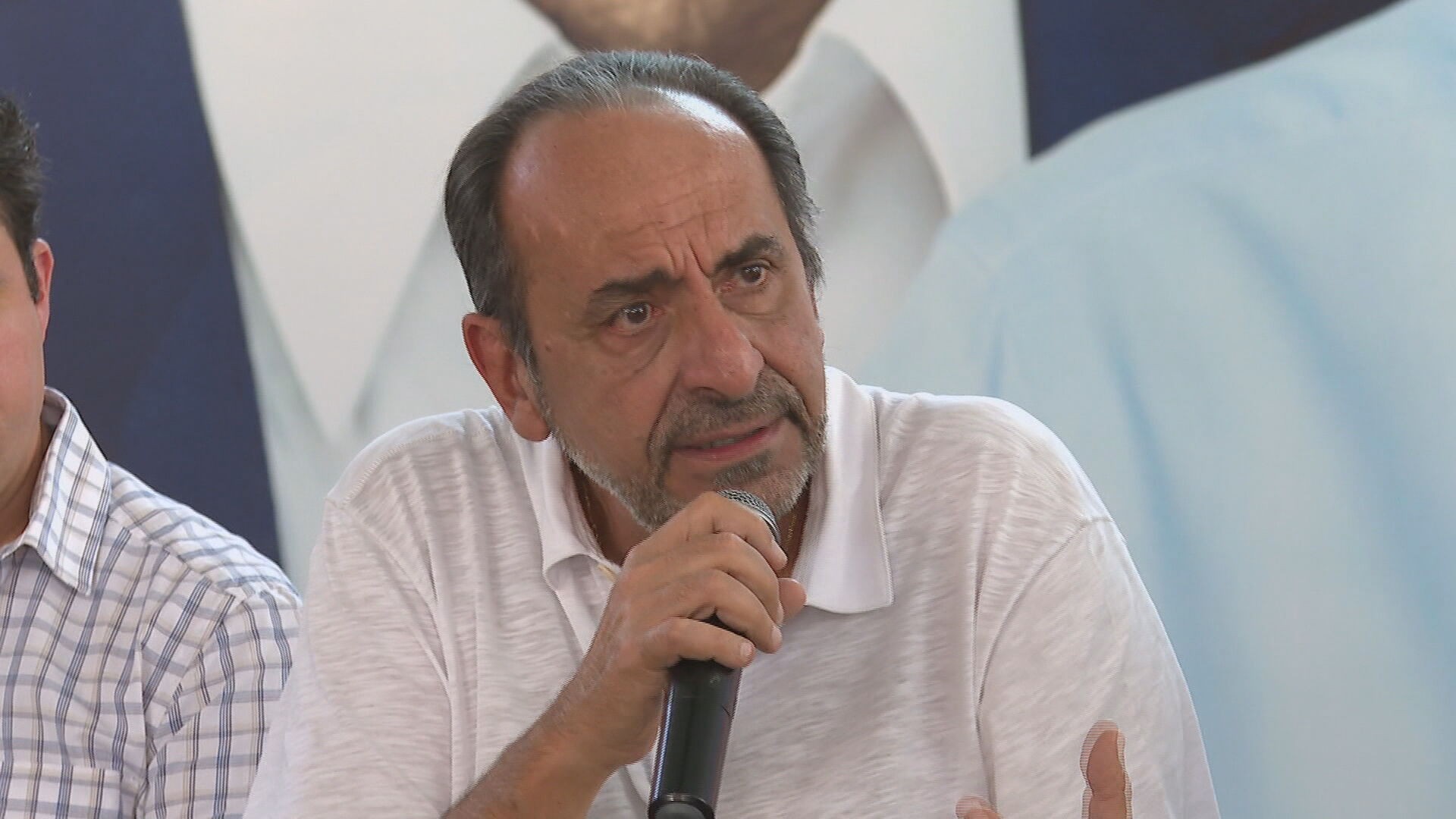
The Court of Justice of Minas Gerais (TJMG) has acquitted Alexandre Kalil, former mayor of Belo Horizonte and a pre-candidate for governor of Minas Gerais, in an administrative impropriety case. Kalil had been convicted in the first instance for failing to comply with a judicial order to remove barriers in a condominium in the Mangabeiras neighborhood. The TJMG's decision on Thursday, May 23, nullified all penalties, including a five-year suspension of Kalil's political rights, a ban on contracting with public entities, and a R$100,000 fine for collective moral damages. The court found no evidence that Kalil intentionally disobeyed the judicial order or caused financial harm to public coffers. The ruling was unanimous, with a 3-0 vote by the 5th Civil Chamber judges. The case was initiated by the Public Prosecutor's Office of Minas Gerais (MPMG), which alleged that public roads and a square within the Condomínio Clube dos Caçadores remained closed by barriers despite a 2020 court order, infringing on public use. Kalil's defense argued that the barriers predated his administration, that he did not directly participate in issuing a new usage permit, and that his actions were not intentional. The court's decision to acquit was based on the lack of proven intent and demonstrable harm to public funds.
The judicial reversal in the administrative impropriety case against Alexandre Kalil highlights the critical role of intent and demonstrable harm in legal proceedings concerning public officials. While initial rulings may focus on the appearance of non-compliance, higher courts often require concrete proof of deliberate action and tangible damage to public resources. This case underscores the importance of due process and the burden of proof, ensuring that administrative sanctions are applied judiciously and not solely based on procedural oversights. Moving forward, public administration systems may need to refine mechanisms for accountability that clearly distinguish between administrative errors and intentional malfeasance, particularly in complex urban development and public space management scenarios. Such clarity can foster greater confidence in governance and prevent politically motivated accusations from overshadowing substantive evidence.
AI-generated to prompt reflection — not editorial opinion, not advice, not a statement of fact. How this works.