Minas Gerais Court Pays Server Over R$767,000 in One Month
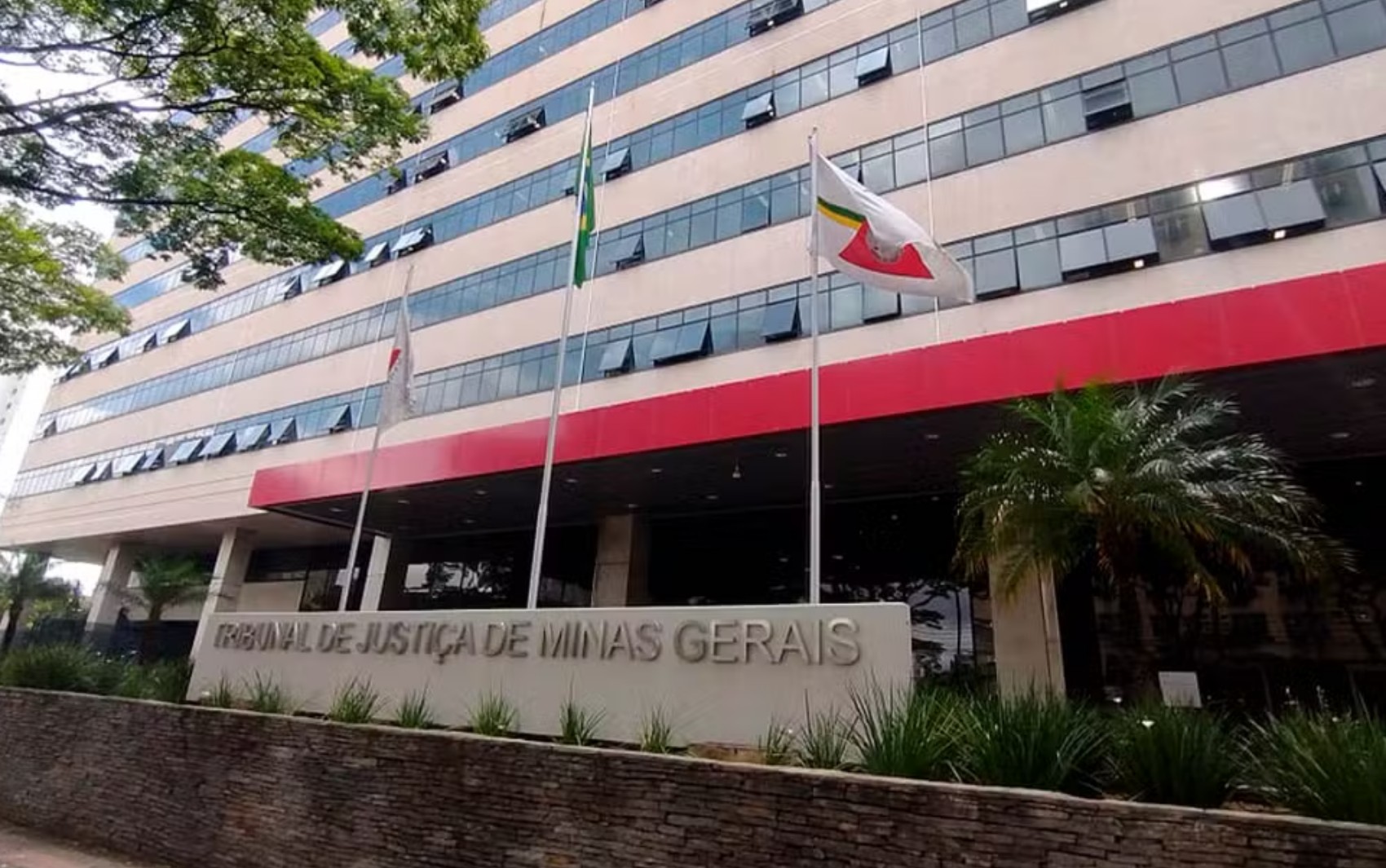
At least 98 employees of the Court of Justice of Minas Gerais (TJMG) received net payments exceeding the established salary cap, plus additional limits for "penduricalhos" (extra benefits), in June 2026. The total cap for magistrates, prosecutors, and attorneys is R$78,822.53. Among those receiving high amounts were judges, appellate judges, and administrative staff. The highest payment identified was R$767,736.82 net to a Judicial Support Officer, whose base salary is R$25,600. This individual is not subject to the new Supreme Court rules. Two Judicial Officers also received substantial net payments of R$583,800 and R$531,000, with monthly salaries around R$19,200. In total, 14 TJMG employees received over R$300,000 net in June. The TJMG stated that the Supreme Court's new directives currently apply only to the judiciary and not to other civil servants, and that the court is complying. The court attributes payments exceeding the cap to indemnities or retroactive sums legally permitted. Of the 98 beneficiaries who received more than R$78,822.53, 15 were magistrates, one was a judge's pensioner, and 82 held various staff positions. The TJMG also clarified that for magistrates receiving over R$78,800, these amounts are due to accumulated indemnities and retroactive payments, with net earnings ranging from R$83,000 to R$148,300. The judge's pensioner received R$122,000 net. These sums often include constitutional vacation bonuses, vacation pay, holiday bonuses, overtime, and retroactive payments. However, the public payroll data lacks sufficient detail to verify compliance with Supreme Court limits due to the aggregation of various benefits into single entries.
The disclosure of significant payments to public servants in Minas Gerais, exceeding established salary caps, highlights potential systemic issues in public payroll transparency and adherence to regulatory limits. While the TJMG attributes these high amounts to legally permissible indemnities and retroactive payments, the lack of detailed breakdowns in public records makes independent verification challenging. This situation underscores the tension between ensuring fair compensation for public service, particularly for roles involving significant responsibility or specialized functions, and the imperative for fiscal discipline and public accountability. The differing application of Supreme Court directives to magistrates versus other civil servants raises questions about equity and the scope of financial oversight. Future reforms could focus on enhancing the granularity of public payroll data to facilitate clearer oversight and prevent potential circumvention of salary regulations, thereby reinforcing public trust in the equitable distribution of taxpayer funds.
AI-generated to prompt reflection — not editorial opinion, not advice, not a statement of fact. How this works.