Minas Gerais Electoral Court and Parties Sign Pact Against Fake News and AI Misuse
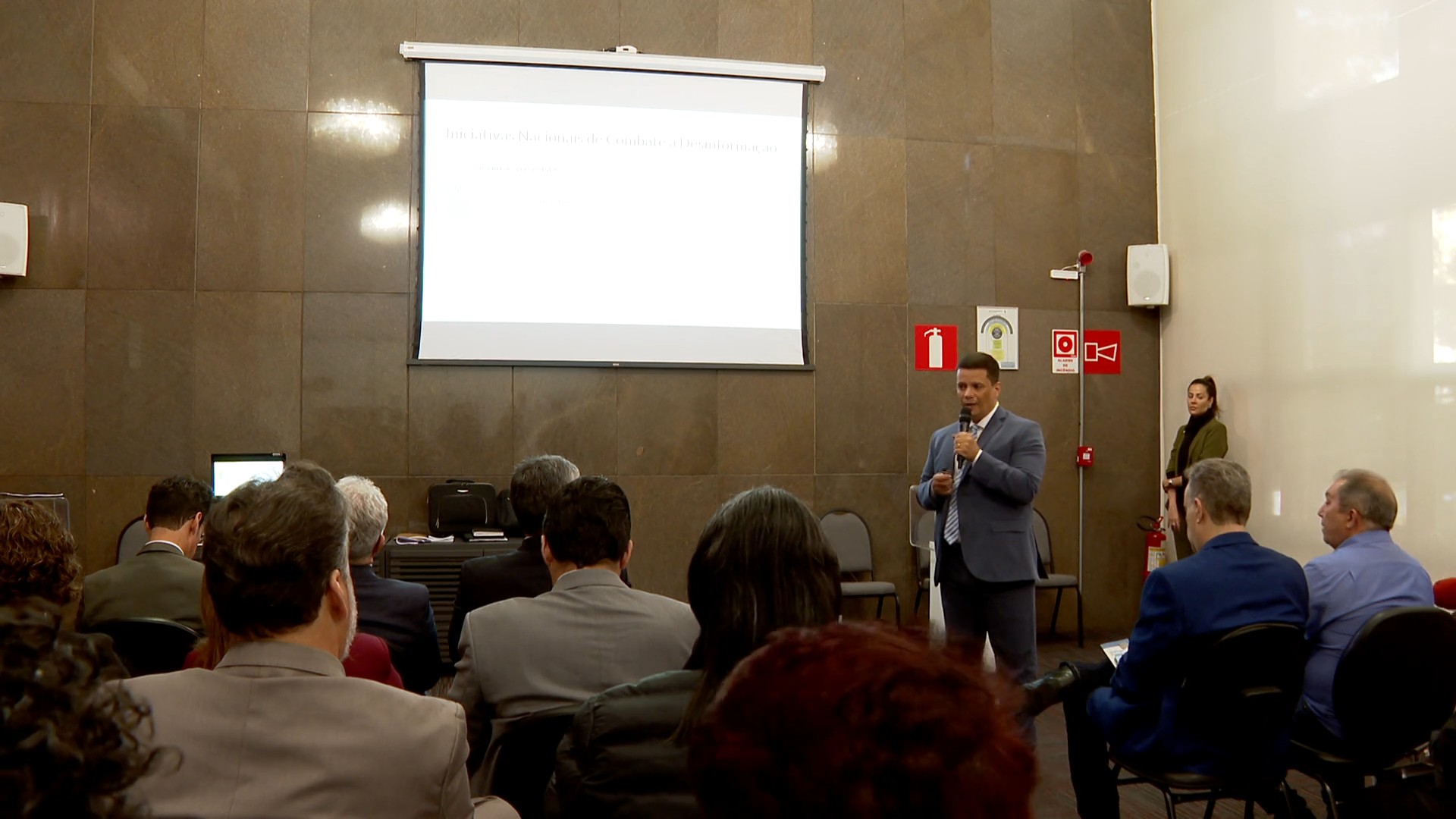
The Regional Electoral Court of Minas Gerais (TRE-MG) and 19 political parties have signed a pact aimed at combating fake news and the irregular use of artificial intelligence during the upcoming election campaign. This commitment also includes measures to strengthen electoral integrity, ensure adherence to electoral rules, and uphold the legitimacy of the vote. The initiative was launched just before the official election calendar begins, with party conventions and candidate registration starting soon, followed by campaign advertising and free airtime on radio and television. In Minas Gerais, over 16.3 million voters are eligible to cast ballots in approximately 54,200 polling stations. This election will determine the holders of national and state offices, including President, Governor, Senators, Federal Deputies, and State Deputies. The TRE-MG anticipates around 2,700 candidates will participate. The agreement specifically addresses the challenge of disinformation, with electoral laws requiring clear identification of content generated by AI. Creating or altering images, videos, or audio to mislead voters, and using bots to simulate conversations, are prohibited. Violations may lead to content removal, fines, and potentially the disqualification of candidacies or mandates. TRE-MG President Judge Carlos Henrique Perpétuo Braga expressed hope for a transparent and rule-abiding contest, urging parties to contribute to identifying irregularities. The TRE-MG's Electoral Secretary, Pablo Aragão, emphasized the public's role in seeking reliable information and utilizing electoral justice channels for informed voting.
This pact represents a proactive governmental and political response to emerging threats in electoral processes, specifically the proliferation of disinformation and the sophisticated manipulation capabilities of artificial intelligence. By formalizing commitments, the TRE-MG and political parties aim to establish guardrails for digital campaigning, acknowledging that traditional electoral integrity frameworks may be insufficient against AI-driven tactics. The focus on transparency and voter education highlights a recognition of the shared responsibility in maintaining democratic discourse. Looking ahead, the effectiveness of such pacts will depend on robust enforcement mechanisms and the continuous adaptation of electoral regulations to the rapidly evolving technological landscape, ensuring that AI serves as a tool for informed participation rather than a vector for undermining democratic legitimacy.
AI-generated to prompt reflection — not editorial opinion, not advice, not a statement of fact. How this works.