Minas Gerais Faces Over 30 Daily Vegetation Fires Amid Drought Warnings
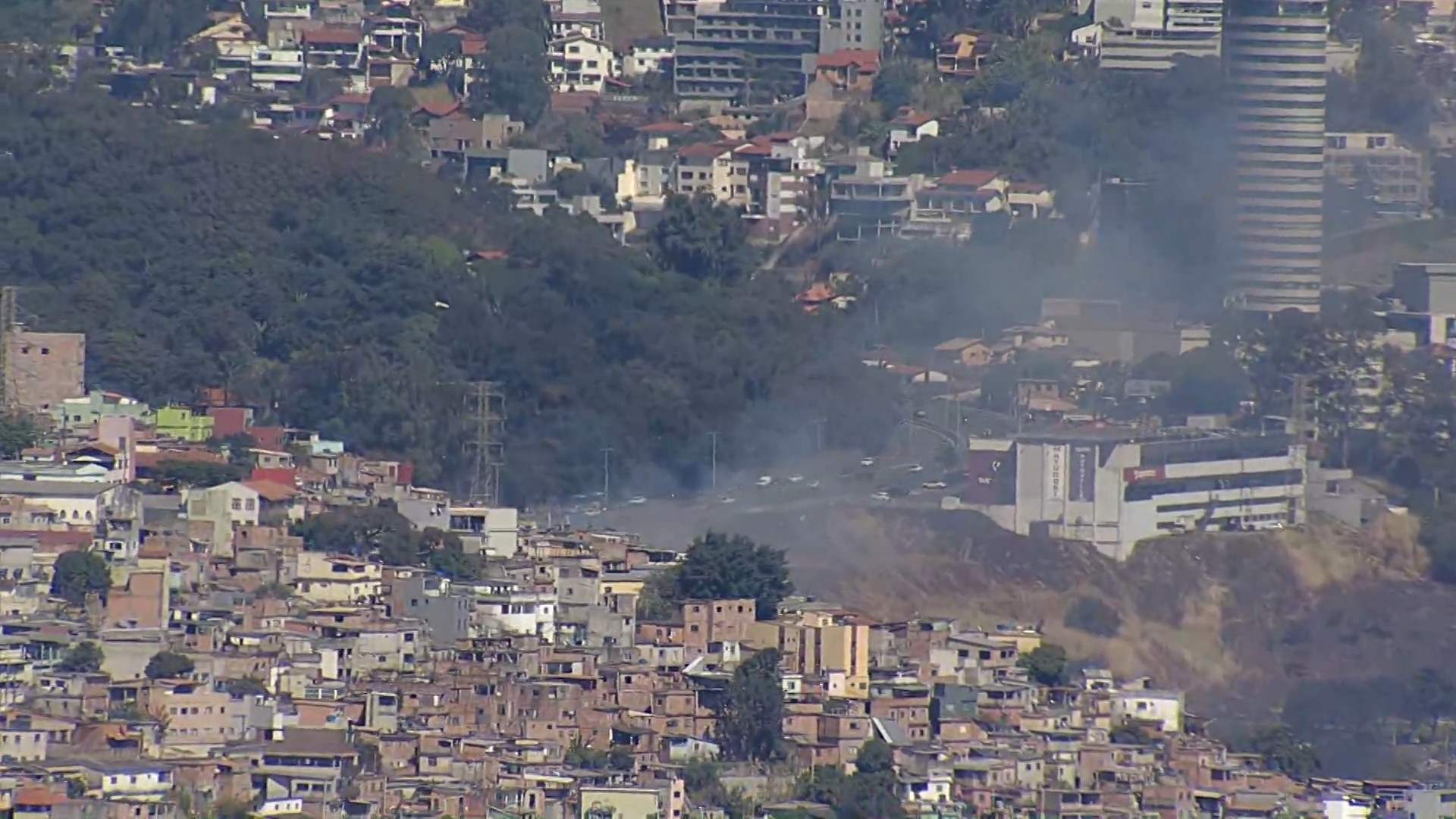
Minas Gerais has recorded an average of over 30 vegetation fires per day in 2023, with more than 6,000 incidents reported between January and mid-July. The Fire Department confirmed 6,038 occurrences, highlighting an escalating risk as the dry season intensifies. They emphasize that human actions are the primary cause of these fires, with approximately 60% originating in vacant lots. The spread of flames from these lots poses a significant threat to nearby properties and conservation areas. Lieutenant Henrique Barcellos, spokesperson for the Fire Department, stated that over 95% of vegetation fires are due to human activity, including intentional burns for land clearing or criminal acts, urging public reporting of such incidents. Residents in Belo Horizonte have already experienced the impacts, with a fire near the Córrego do Leitão basin causing smoke to engulf homes and buildings. The dry season, traditionally characterized by low humidity, high temperatures, and strong winds, is expected to be exacerbated by the El Niño phenomenon this year, further increasing the likelihood of fires. Beyond environmental damage, the smoke poses serious health risks, particularly for vulnerable groups like children, the elderly, and individuals with respiratory conditions, potentially worsening asthma and bronchitis and triggering allergies.
The high frequency of vegetation fires in Minas Gerais, exacerbated by drought conditions and El Niño, underscores a critical public safety and environmental challenge. The overwhelming human causation, particularly from land clearing and intentional acts, points to a need for enhanced public awareness campaigns and stricter enforcement of regulations. The systemic issue of fires originating in vacant lots suggests potential gaps in land management and urban planning. The health impacts of smoke exposure highlight the interconnectedness of environmental events and public health infrastructure, necessitating proactive measures to protect vulnerable populations. Looking forward, the increasing frequency of extreme weather events due to climate change suggests that such fire risks will likely intensify, requiring more robust, long-term strategies for prevention, response, and mitigation.
AI-generated to prompt reflection — not editorial opinion, not advice, not a statement of fact. How this works.