Minas Gerais Government Reveals Location of Palácio das Mangabeiras Collection; Opposition Seeks More Data
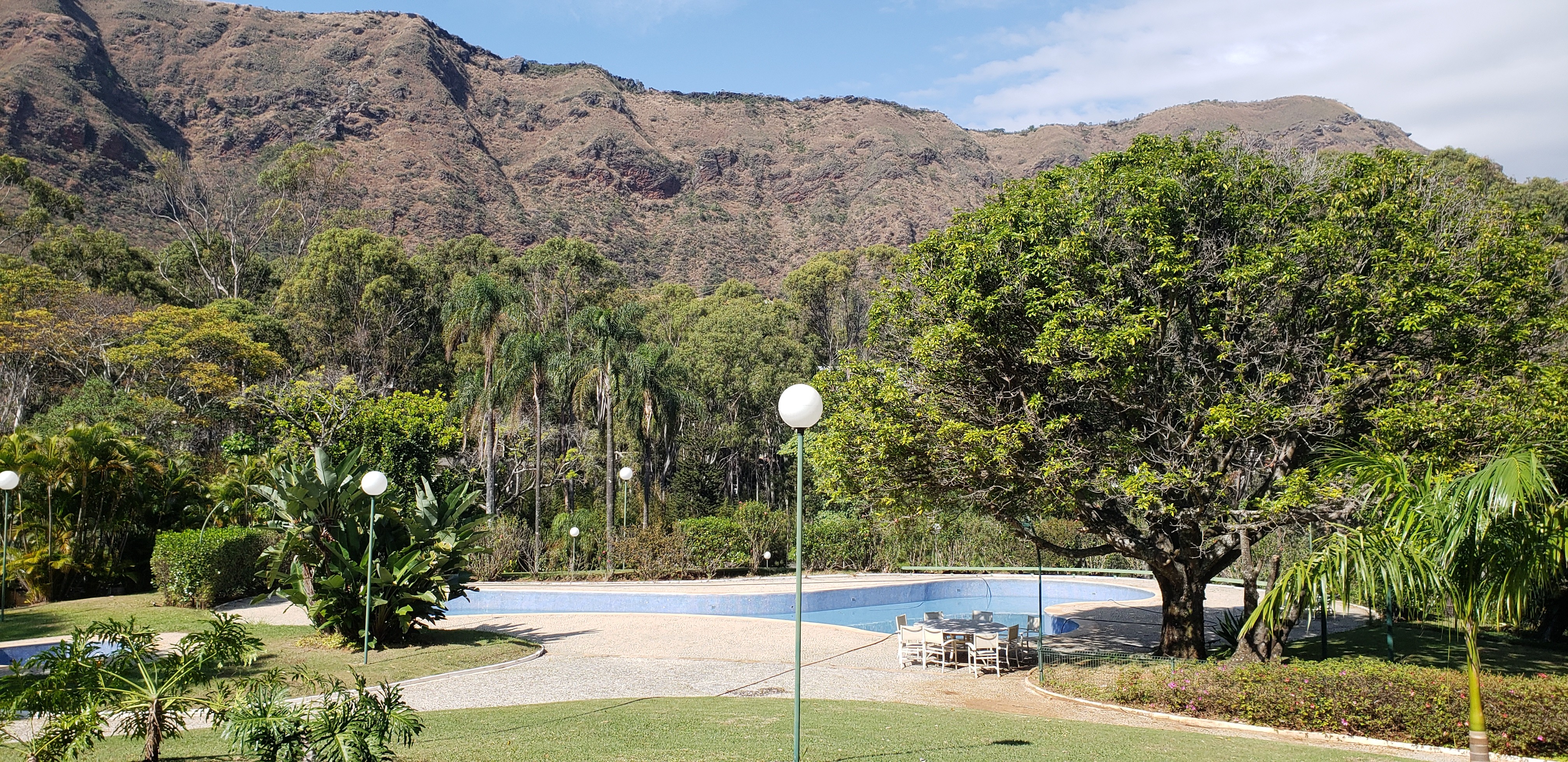
The Minas Gerais government has announced the current locations of items that were part of the collection at the Palácio das Mangabeiras, the former official residence of governors. This disclosure came during a public hearing at the Legislative Assembly (ALMG), where Luísa Barreto, the director-president of Companhia de Desenvolvimento de Minas Gerais (Codemge), addressed accusations that these assets had disappeared. The opposition, however, is demanding further clarification and the presentation of a complete inventory of the collection. The Palácio das Mangabeiras, now managed by private entities for events, has become a focal point of political contention, with the opposition alleging that public heritage was removed without proper oversight and demanding transparency. The government maintains that all items are cataloged and their locations are officially recorded. Barreto stated that over 3,900 items are accounted for, including art, furniture, books, tableware, and linens, distributed across various state institutions like the Palácio da Liberdade and the Biblioteca Pública, as well as stored by Codemge. She emphasized that the absence of a piece from the palace does not equate to its disappearance. The government also clarified that 63 items donated to the Secretaria-Geral in 2020, consisting of decorative furniture, were distributed among different government offices and are also stored in a Codemge warehouse. Items of lower cultural value, such as security cameras and air conditioners, remain either in storage or at the palace. High artistic-cultural value items, including paintings and books, have been placed under the technical care of state cultural institutions. Opposition deputies argue that the information provided is insufficient to confirm the cataloging and preservation of all assets that were present before January 2019. They criticize the commercial use of the palace and the potential risks to its historical heritage, with one deputy having filed a request with the Public Prosecutor's Office and another with the Federal Police to investigate alleged irregularities.
The dispute over the Palácio das Mangabeiras collection highlights a recurring tension between governmental asset management, public accountability, and the commercial utilization of historical properties. The government's strategy appears to focus on demonstrating control and proper disposition of assets, emphasizing cataloging and relocation to secure facilities. Conversely, the opposition's demand for a comprehensive pre-2019 inventory underscores a need for verifiable baseline data to ensure no public patrimony has been lost or improperly diverted. This situation raises systemic questions about the governance frameworks for heritage sites that are transitioned to commercial use, particularly concerning the long-term preservation of cultural assets versus short-term economic gains. Future policies may need to establish clearer protocols for asset inventories, independent oversight during transitions, and transparent reporting mechanisms to mitigate such political disputes and safeguard public heritage effectively in the evolving landscape of public-private partnerships.
AI-generated to prompt reflection — not editorial opinion, not advice, not a statement of fact. How this works.