Minas Gerais Olive Oil Wins Gold in Italy, Ranks Among South America's Best
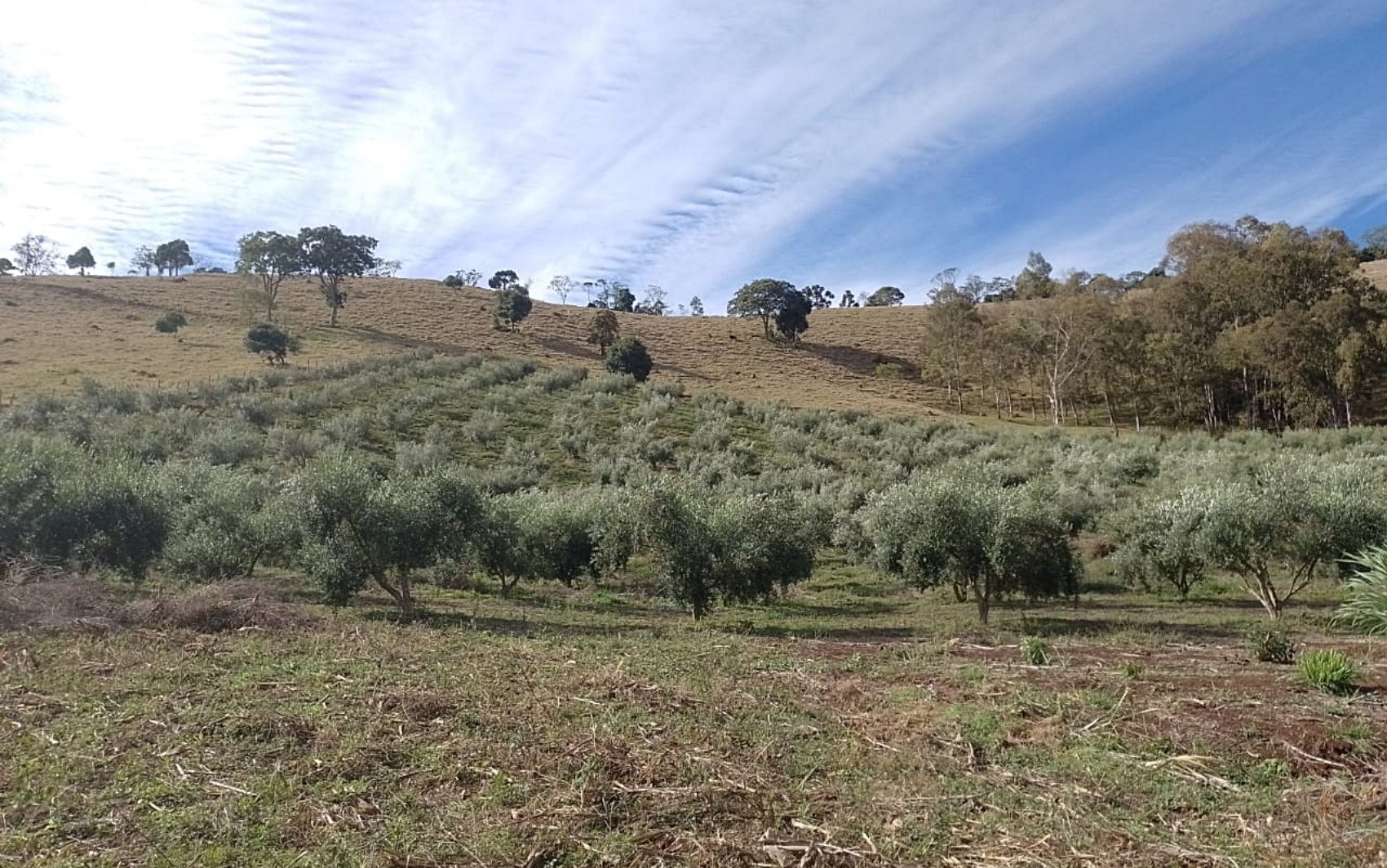
Alto da Serra Blend, an extra virgin olive oil produced in Cristina, Minas Gerais, Brazil, has earned a gold medal at the prestigious Evo International Olive Oil Contest (EVVO IOOC) in Italy. This achievement also places it among the top five olive oils from South America. The award signifies a high level of technical quality, as gold medals are awarded to oils scoring over 85 points in blind tastings. Alto da Serra Blend's exceptional score, exceeding 96 points, qualified it for the final round and the special Raúl C. Castellani award.
The olive oil is the creation of farmer Alisson Moreira, who began cultivating olive trees in 2017 on his property in the Serra da Mantiqueira region. Production is relatively new, with the first extraction yielding only 12 liters in 2022, increasing to approximately 304 liters this year. Moreira was inspired by the unique taste of local olive oils and believed his farm's location at 1,500 meters altitude was ideal.
This award highlights the growing significance of olive oil production in southern Minas Gerais. The region's climate, characterized by high altitudes and cold winters, is conducive to olive cultivation and contributes to the distinctive aromas and flavors of its oils, as noted by Epamig researchers. The proximity to Maria da Fé, a pioneer in Brazilian olive oil production, has also fostered regional growth. The international recognition is boosting tourism in Cristina, with rural properties offering tours and tastings as part of the "Rota do Azeite" initiative.
This award underscores the emerging potential of Brazil's agricultural sector in specialized markets like high-quality olive oil. The success of a family-run operation, leveraging specific regional climate advantages and recent cultivation efforts, demonstrates how niche production can achieve international acclaim. The narrative highlights the interplay between environmental conditions, agricultural innovation, and market recognition, suggesting a growing capacity for Brazil to compete beyond traditional commodity exports. This development could signal a broader trend of diversification within Brazilian agriculture, driven by both local initiative and international market validation, potentially influencing future investment and policy in the sector.
AI-generated to prompt reflection — not editorial opinion, not advice, not a statement of fact. How this works.