Minas Gerais Parks Offer Free Family Leisure During School Holidays
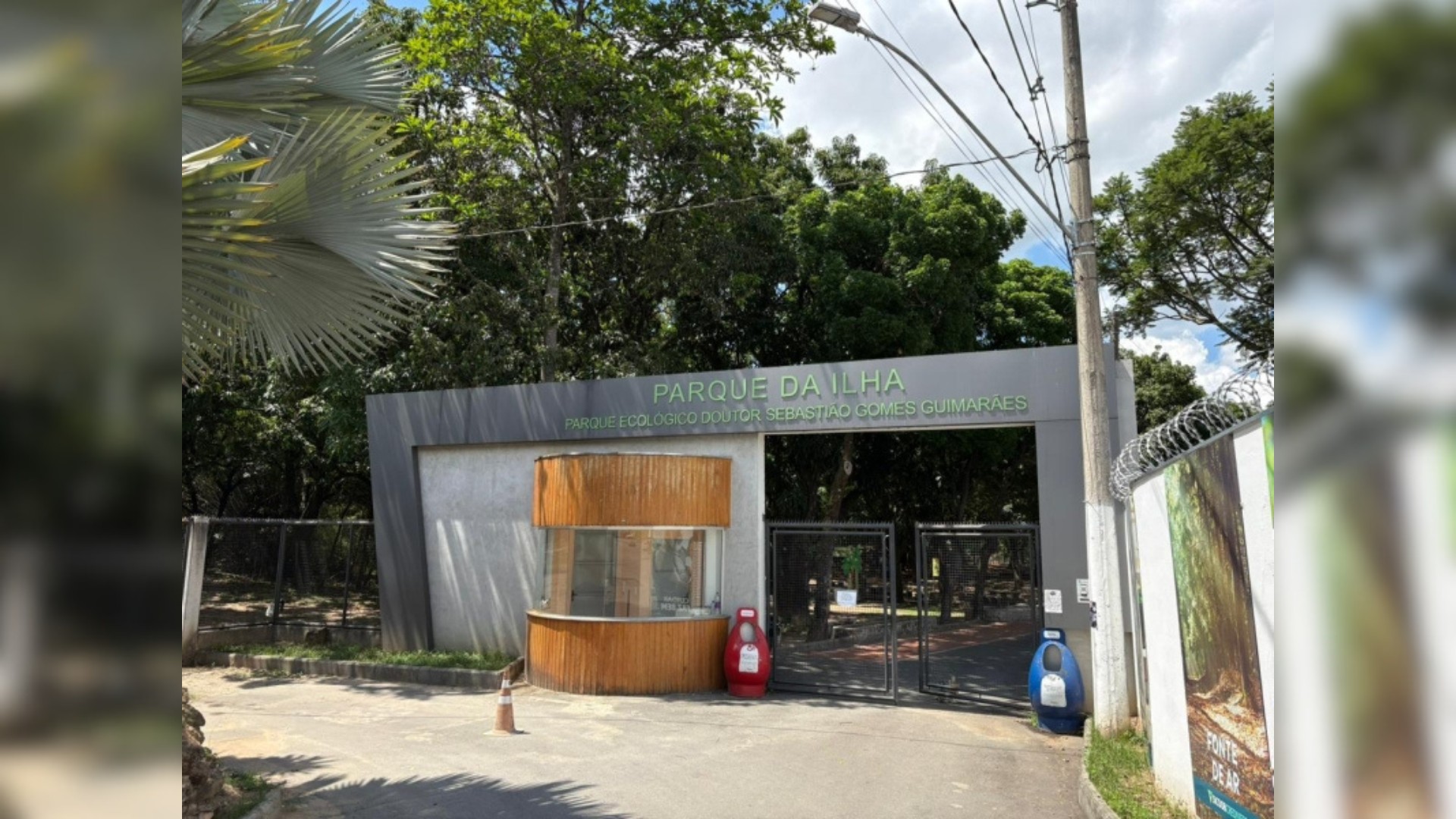
During the school holidays, ecological parks in the Center-West region of Minas Gerais are providing free leisure options for families seeking nature and outdoor activities. Several cities, including Divinópolis, Pará de Minas, Formiga, Itaúna, and Oliveira, feature parks with amenities like walking trails, playgrounds, and picnic areas. The Parque Ecológico Doutor Sebastião Gomes Guimarães, known as Parque da Ilha in Divinópolis, is open daily from 7 am to 7 pm and boasts a walking track, bike path, outdoor gym, children's playground, sports courts, an amphitheater, picnic spots, and one of the largest public skate parks in Minas Gerais. In Itaúna, the Parque Ecológico Cordovil Fonseca operates Tuesday through Saturday and Sundays, offering a lake with fish and birds, a walking path, outdoor gym, playground, and shaded resting areas. Pará de Minas' Parque do Bariri is accessible 24/7 and includes a central lagoon, walking and running paths, a bike lane, outdoor gym, playground, and ample green spaces. Formiga's Horto Florestal Omar Soares provides wooded areas for walks, resting spots, light trails, and diverse native and ornamental trees, often used for environmental education. Finally, Oliveira's Parque João Reis, a popular local gathering spot, features a large wooded area, walking path, lake, playground, outdoor gym, and spaces for physical activity and family leisure.
The proliferation of accessible, free ecological parks in Minas Gerais's Center-West region highlights a growing demand for public spaces that foster community well-being and environmental connection, particularly during school breaks. These parks serve as vital, low-cost recreational hubs, potentially mitigating the economic barriers to leisure activities for families. The consistent inclusion of amenities like walking trails, playgrounds, and outdoor gyms suggests a standardized approach to public park design, prioritizing physical health and family engagement. As urban populations grow and digital immersion intensifies, such natural oases become increasingly critical for mental health and social cohesion, offering a counterbalance to sedentary lifestyles and promoting an appreciation for local biodiversity. The long-term sustainability and impact of these public assets will depend on continued municipal investment in maintenance, programming, and conservation efforts, ensuring they remain valuable resources for future generations.
AI-generated to prompt reflection — not editorial opinion, not advice, not a statement of fact. How this works.