Minas Gerais Party Conventions to Define Gubernatorial Candidates Begin July 20
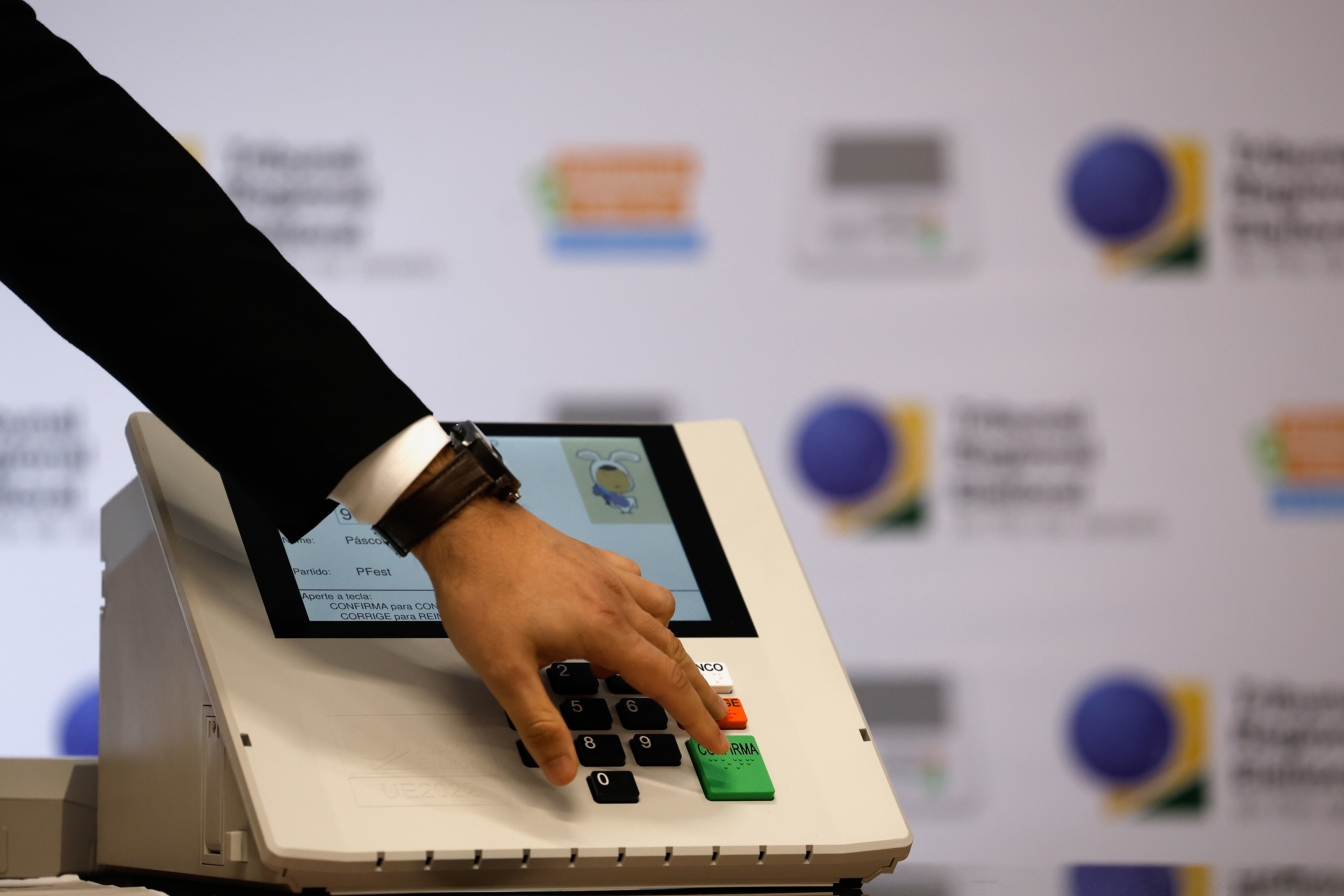
The period for party conventions, where candidates are officially nominated and coalitions are formed for the upcoming elections, begins on Monday, July 20, and concludes on August 5. Minas Gerais, the second-largest electoral college in Brazil and a state that has voted for every elected president since 1989, is particularly crucial for national election outcomes. The selection of gubernatorial candidates in Minas Gerais is therefore vital for supporting presidential hopefuls.
Despite the state's importance, the political landscape remains uncertain. Senator Cleitinho (Republicanos), who led the latest Quaest poll for governor in April, has not yet confirmed his candidacy. The PSD, the party of current Governor Mateus Simões, is expected to formalize its re-election bid on August 2. The PT, aligned with President Lula, has nominated federal deputy Patrus Ananias, with a party meeting scheduled for July 20 to finalize the decision, though the official convention is set for later in the month. Earlier efforts to secure Senator Rodrigo Pacheco (PSB) as Lula's state ally failed, and former Contagem mayor Marília Campos (PT) opted against a gubernatorial run to pursue a Senate seat.
The PL party faces its own indecision regarding its candidate, aiming to secure support from Cleitinho or field its own nominee, with former Fiemg president Flávio Roscoe and ex-Betim mayor Vittorio Medioli being considered. Several parties have announced their convention dates, including Solidariedade, PRD, and Democrata on July 20; Missão on July 22; PSTU on July 24; Republicanos and PCB on July 25; PDT, PSOL, and Rede on July 26; PL on July 27; Mobiliza and PV on July 30; PT on July 31; MDB, PP, and PCO on August 1; and PSD and PSB on August 2. Parties such as Agir, Avante, Cidadania, DC, Novo, Podemos, PRTB, PSDB, and União Brasil have yet to announce their convention dates.
The upcoming party conventions in Minas Gerais highlight the intricate strategic calculus involved in Brazilian electoral politics, particularly in pivotal states. The extended period for nominations and coalition formations reflects a deliberate process designed to maximize leverage and adapt to shifting poll numbers and alliances. The emphasis on Minas Gerais underscores the enduring significance of state-level contests in shaping national presidential outcomes, a dynamic rooted in historical voting patterns and the electoral college system. As parties navigate these conventions, the underlying incentive structures involve balancing the pursuit of state power with the imperative of delivering electoral support for national tickets. The uncertainty surrounding key candidacies suggests a complex interplay of personal ambition, party discipline, and the strategic positioning of potential presidential contenders, all of which will continue to influence the broader national political narrative.
AI-generated to prompt reflection — not editorial opinion, not advice, not a statement of fact. How this works.