Minas Gerais Police Conduct Major Operation Against Drug Trafficking and 'Parallel Justice' Ring
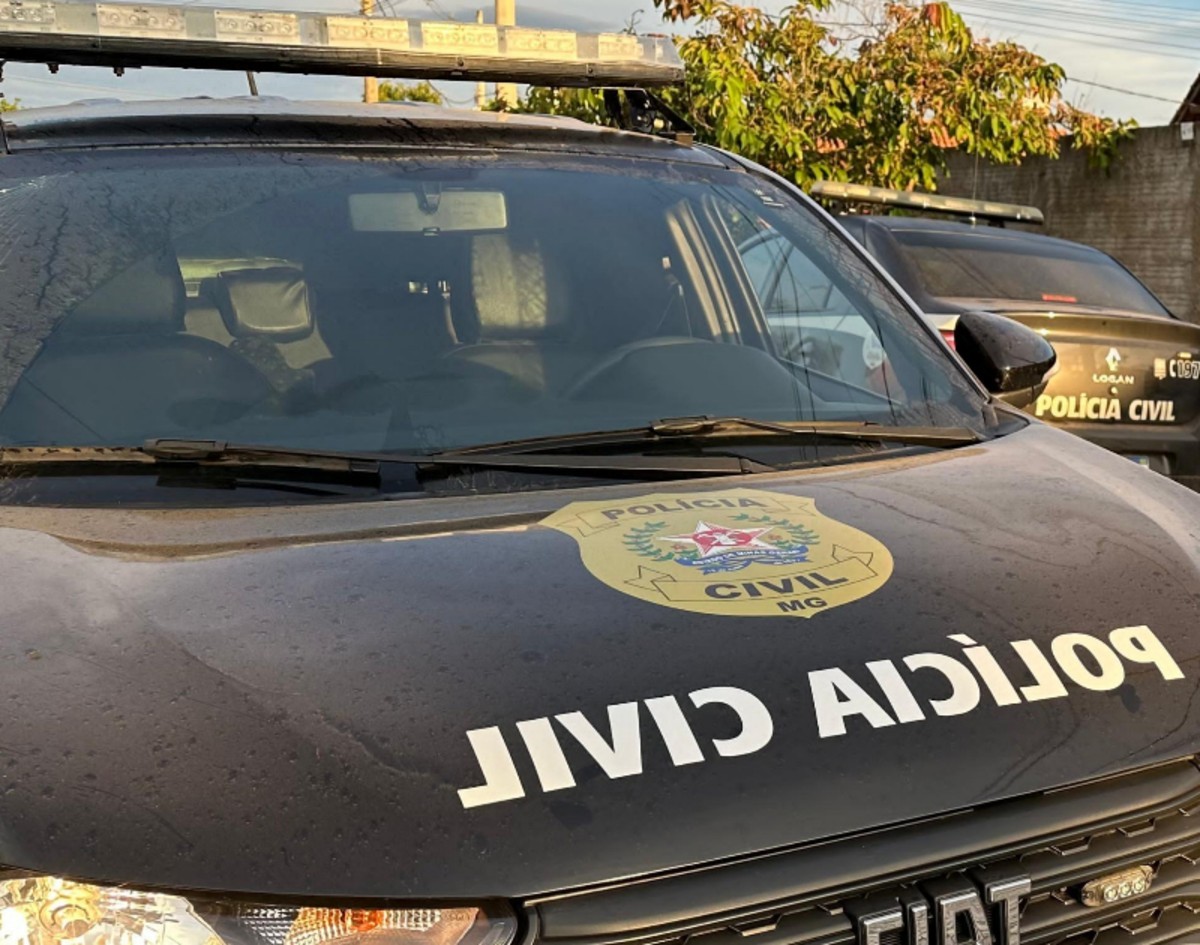
The Civil Police of Minas Gerais launched the third phase of "Operation Caronte" on Thursday, May 9th, targeting a criminal group involved in drug trafficking and imposing its own form of justice in southern Minas Gerais. The operation involved executing 29 temporary arrest warrants and 31 search and seizure warrants across five cities: Itajubá, Piranguinho, São Lourenço, Brazópolis, and Wenceslau Braz. Investigations revealed a cell linked to a criminal faction operating in Itajubá and its surrounding areas, engaging in drug distribution and enforcing rules with their own punishments, a practice known as 'parallel justice'.
The targets include suspected faction members and individuals who allegedly sought the group's intervention to resolve conflicts and other matters. Approximately 140 Civil Police officers from regional delegations in Itajubá, Pouso Alegre, São Lourenço, and Poços de Caldas, along with specialized units, participated in the operation. This phase builds upon previous actions: "Operation Caronte I" in August 2020 resulted in 21 arrests for drug trafficking and 'private justice', with drugs and a firearm seized. "Operation Caronte II" in October 2021 led to 30 arrests and the seizure of over 10 kilograms of drugs, ammunition, and electronic devices, highlighting the group's continued activity, including the use of a 'crime tribunal' to punish rule breakers.
This operation addresses the persistent challenge of organized crime groups that extend their influence beyond illicit markets into social control mechanisms, exemplified by 'parallel justice.' The repeated phases of "Operation Caronte" suggest a complex, resilient criminal network that adapts to law enforcement pressure. The involvement of over 140 officers and specialized units indicates a significant resource commitment, reflecting the perceived threat. Future law enforcement strategies may need to focus not only on dismantling drug trafficking operations but also on disrupting the social and economic foundations that enable these groups to establish parallel governance structures. Examining the underlying factors that lead individuals to seek 'parallel justice'—such as perceived failures in formal legal systems or community-level grievances—could offer insights into more sustainable public safety solutions.
AI-generated to prompt reflection — not editorial opinion, not advice, not a statement of fact. How this works.