Minas Gerais Prosecutors Secure R$47 Million Settlement for Coffee Farmers
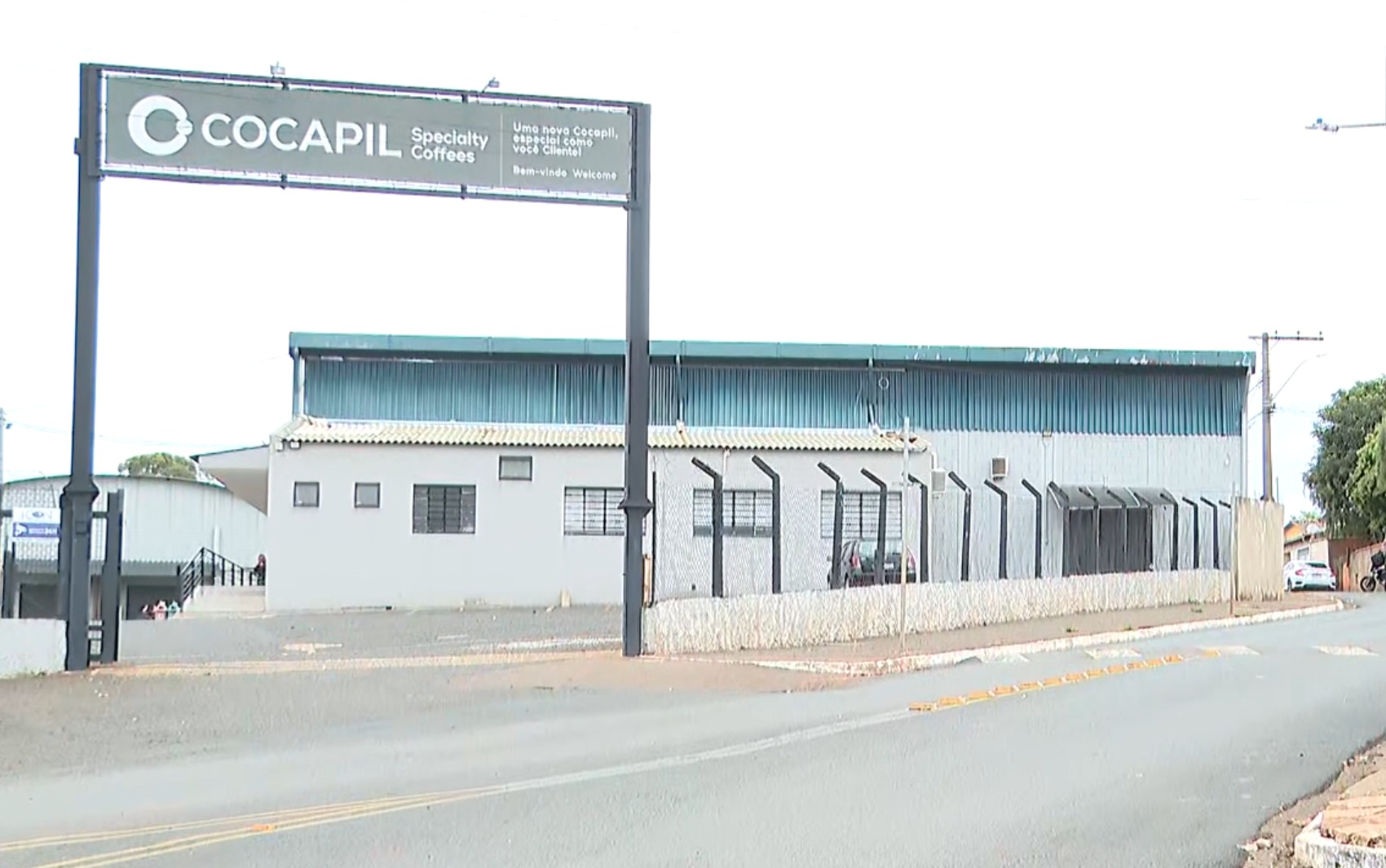
The Public Prosecutor's Office of Minas Gerais (MPMG) has finalized a Conduct Adjustment Agreement (TAC) with EldoradoAgro Participações Ltda. to compensate coffee farmers who were members of the Cooperativa dos Cafeicultores e Agropecuaristas de Ibiraci (Cocapil) in Southern Minas Gerais. The agreement, signed on July 23rd by the Ibiraci Public Prosecutor's Office, mandates EldoradoAgro to allocate R$47,196,930.27 to reimburse rural producers affected by the cooperative's crisis. These funds will be deposited into a judicial account linked to the sole court of Ibiraci and made available to the defrauded cooperative members. The MPMG initiated a Civil Inquiry to ensure compensation for damages stemming from an ongoing criminal investigation into the alleged disappearance of thousands of coffee sacks belonging to Cocapil. EldoradoAgro will prioritize selling its properties to generate funds for the judicial account. A technical-accounting appraisal will also be conducted to precisely determine the total damages incurred by the cooperative members. This initiative aims to secure sufficient assets for future farmer compensation and bolster the MPMG's efforts in defending collective interests and the local economy. The broader case involves an investigation into the disappearance of 21,000 sacks of coffee, potentially affecting around 180 victims and causing losses of at least R$132 million, including producer losses and debts to banks and suppliers. The primary suspect is Elvis Vilhena Faleiros, the former president of Cocapil, who is being investigated for embezzlement, reckless cooperative management, and criminal association. Faleiros was arrested in February after being a fugitive for over a month. His defense has stated that agreements are being made to pay for all outstanding coffee sacks, assuring no producer will be left at a loss.
This settlement addresses significant financial losses incurred by coffee farmers due to alleged mismanagement and potential fraud within their cooperative. The agreement's structure, involving a judicial account and property sales, aims to provide a tangible path toward restitution for affected producers. From a systemic perspective, such events highlight vulnerabilities in cooperative governance and oversight mechanisms, particularly concerning the handling of substantial commodity assets. The substantial financial discrepancies suggest a need for enhanced transparency and accountability frameworks within agricultural cooperatives to prevent future occurrences. Looking ahead, the integration of advanced auditing technologies and stricter regulatory compliance could bolster investor and producer confidence, fostering a more resilient agricultural sector capable of navigating market volatilities and internal governance challenges in the coming decade.
AI-generated to prompt reflection — not editorial opinion, not advice, not a statement of fact. How this works.