Minas Gerais Prosecutors Sue State for $50M Over Deadly MGC-497 Highway Conditions
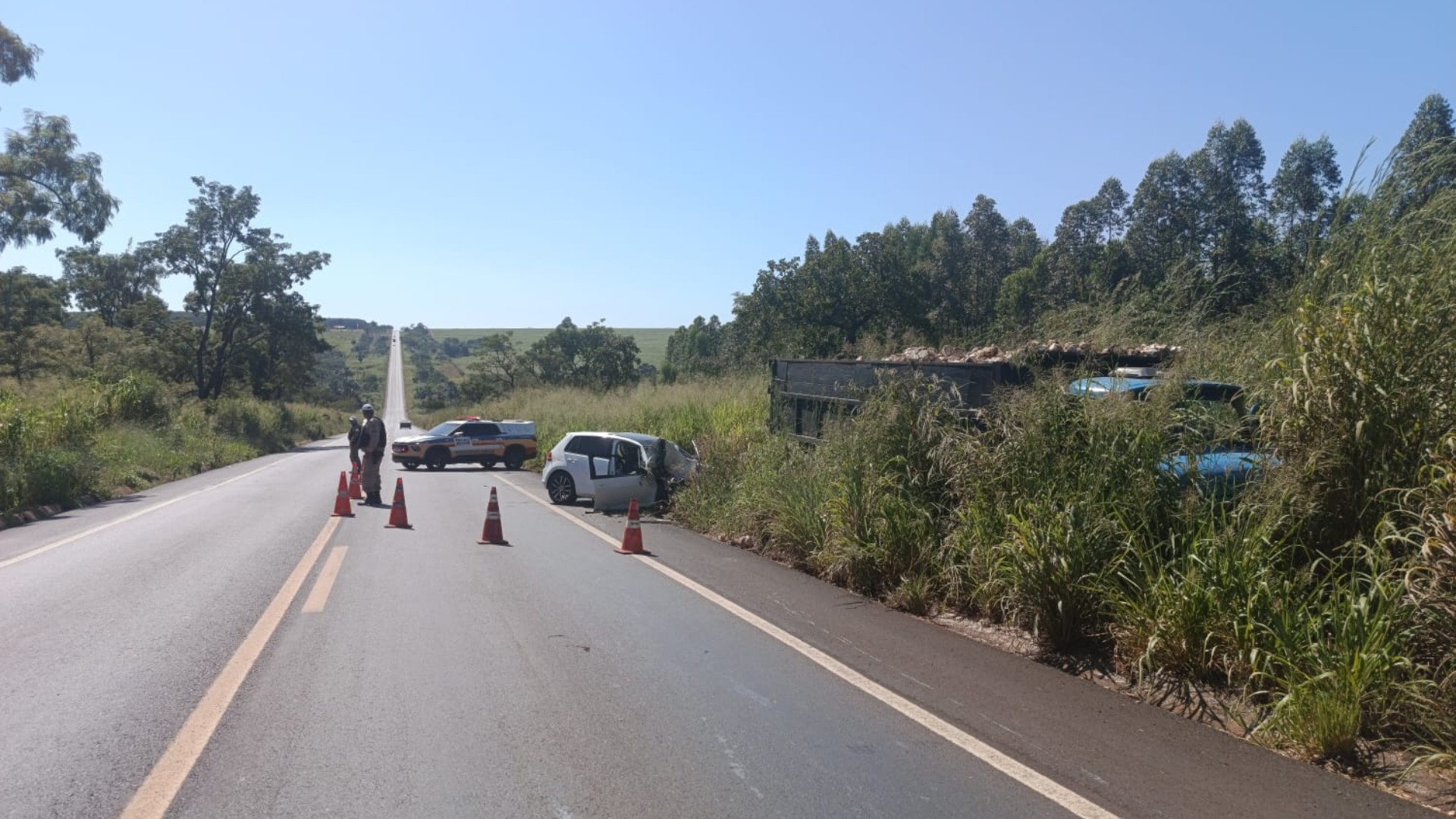
The Public Prosecutor's Office of Minas Gerais (MPMG) has filed a Public Civil Action against the Department of Roads of Minas Gerais (DER-MG) and the State of Minas Gerais, demanding urgent improvements to the MGC-497 highway, which connects Uberlândia and Prata. The lawsuit seeks to compel the defendants to implement shoulders on both sides of the road, undertake expansion and maintenance work on the road surface, and commence duplication of the stretch within 90 days. Currently, there are no budget allocations for either the duplication or the installation of shoulders. The MPMG is also seeking R$50 million in collective moral damages. The MPMG argues that the highway's poor condition, specifically the lack of shoulders, significantly contributes to frequent and severe accidents, including fatal ones. Data from the Military Highway Police indicates over 7,000 accidents and more than 320 deaths on the MGC-497 between 2010 and June 2026. In 2025 alone, 235 accidents and 19 fatalities were recorded, with 100 accidents and seven deaths occurring in the first half of 2026. The lawsuit highlights that discussions about necessary improvements have been ongoing for over a decade, with a previous federal inquiry in 2015 yielding no results. The MPMG emphasizes the highway's economic importance, serving as a crucial route for cargo vehicles connecting to São Paulo, and aims to enhance user safety and traffic flow.
This legal action by the MPMG highlights a critical infrastructure deficit with severe public safety consequences. The persistent lack of basic safety features like shoulders, despite over a decade of advocacy, suggests systemic issues in infrastructure planning, budgeting, and execution within Minas Gerais's road administration. The substantial demand for collective moral damages underscores the gravity of the state's alleged negligence in safeguarding citizens' lives on a vital economic artery. Looking ahead, the case raises questions about accountability for public infrastructure failures and the efficacy of legal recourse in compelling governmental action. It also points to the potential for future private concession agreements to exacerbate existing safety concerns if not rigorously overseen and conditioned on prior safety improvements, particularly in an era where traffic volume and vehicle types continue to evolve.
AI-generated to prompt reflection — not editorial opinion, not advice, not a statement of fact. How this works.