Minas Gerais Sees 41.7% Surge in Drug Trafficking Cases, Second Highest in Brazil
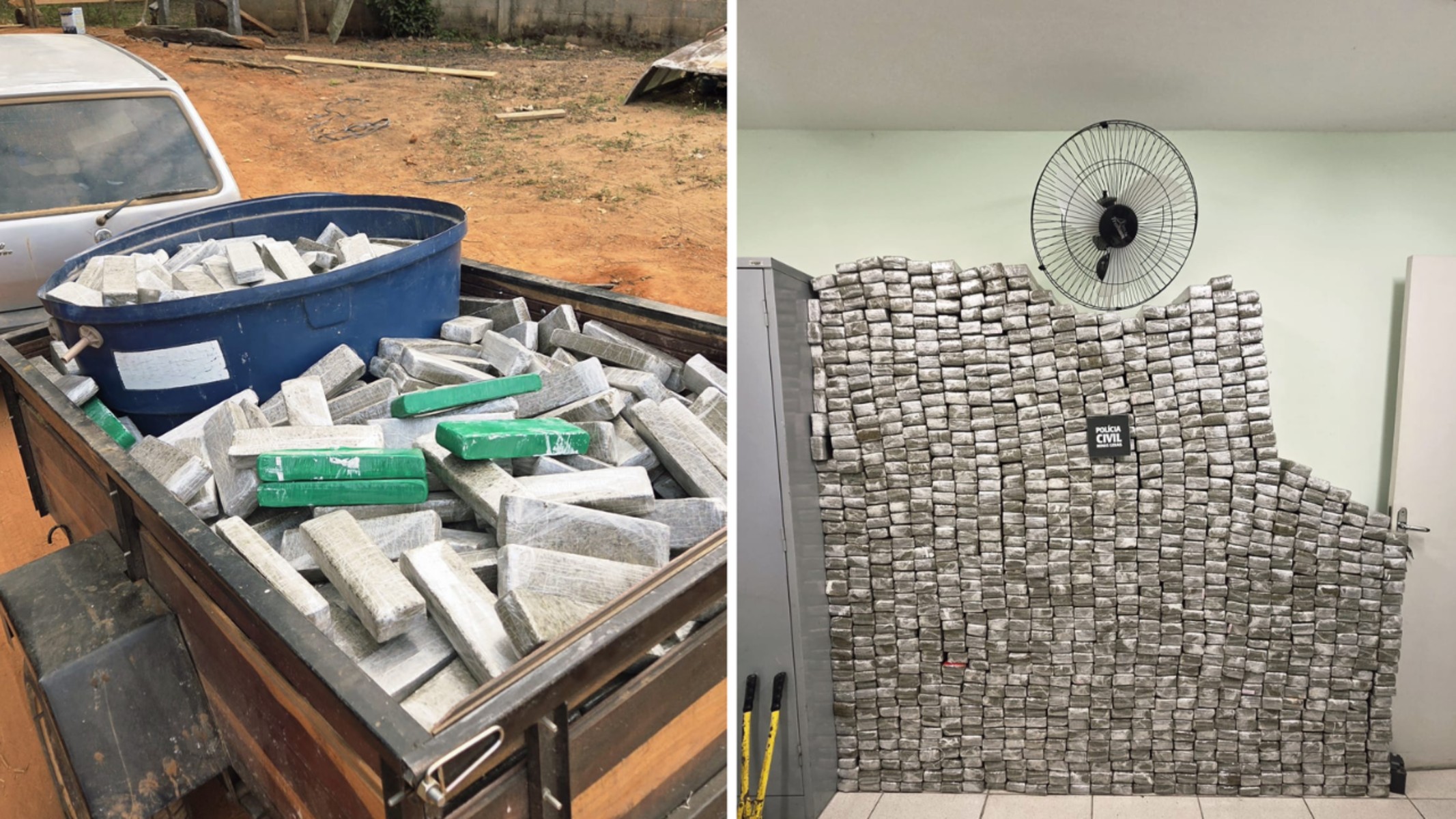
Minas Gerais recorded a significant 41.7% increase in drug trafficking incidents in 2025, with 33,873 cases compared to 23,830 in 2024. This marks the second-highest percentage increase nationwide, surpassed only by Maranhão's 68.3% rise. The state also reported the second-highest drug trafficking rate in Brazil, with 158.3 incidents per 100,000 inhabitants, trailing Rio Grande do Sul's 160.2 rate. Conversely, drug possession and use cases in Minas Gerais plummeted by 58.5%, from 22,002 to 9,171, the largest drop among all Brazilian states. Nationally, drug trafficking incidents rose by 18.5% in 2025, while drug possession and use decreased by 18.3%.
The Brazilian Public Security Forum (FBSP) suggests a potential reconfiguration of the drug market, possibly influenced by the Supreme Court's 2024 decision to decriminalize personal marijuana use. Authorities hypothesize that police might be reclassifying possession cases as trafficking. The FBSP also points to the expansion of the international cocaine market and Brazil's role as a major consumer and transit hub. In a separate concerning trend, Minas Gerais also experienced the largest increase in missing persons, up 30.5% to 9,123 cases in 2025, compared to a national increase of 3.6%. Additionally, the state saw a 4.4% rise in femicides, reaching 177 cases in 2025, making it the second-highest in Brazil.
The data from Minas Gerais highlights a complex interplay between law enforcement practices, drug market dynamics, and societal shifts. The significant increase in reported drug trafficking offenses, juxtaposed with a sharp decline in possession and use cases, suggests a potential reclassification by authorities, possibly influenced by evolving legal frameworks such as the decriminalization of personal marijuana use. This shift could reflect either increased enforcement focus on supply-side offenses or a strategic response to changing drug consumption patterns. Furthermore, the rise in missing persons and femicides indicates underlying social vulnerabilities and potential increases in violent crime, demanding a multi-faceted investigative approach that considers regional factors and organized crime influences. Understanding these trends requires a nuanced analysis of policy impacts, market incentives, and the effectiveness of current public safety strategies in addressing both drug-related crime and broader issues of violence and disappearances.
AI-generated to prompt reflection — not editorial opinion, not advice, not a statement of fact. How this works.