Mini apartment buildings in Hanoi face low occupancy due to oversupply and high rents
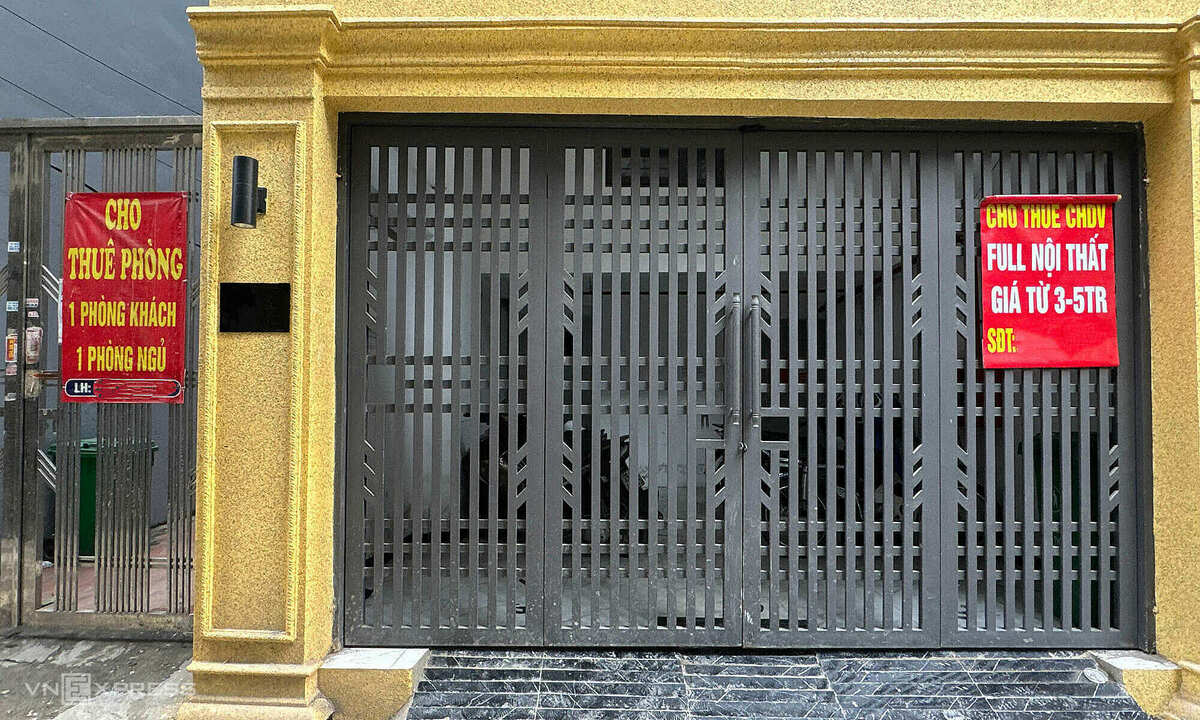
Numerous areas in Hanoi, previously known as hubs for mini-apartments, are now struggling to attract tenants. This situation arises from a significant oversupply of these units, coupled with elevated rental prices. The high cost of renting these compact living spaces is proving to be a deterrent for potential renters. Consequently, many mini-apartment buildings are now displaying signs seeking tenants, indicating a surplus in the market. The abundance of available units, combined with the unaffordable rental rates, has created a challenging environment for property owners. This trend suggests a potential imbalance between the rapid development of mini-apartments and the actual demand from the rental market in Hanoi. The current market conditions highlight the need for a reevaluation of pricing strategies and supply management within this segment of the real estate sector.
The proliferation of mini-apartments in Hanoi, driven by rapid urbanization and demand for affordable housing, appears to have outpaced market absorption. The current oversupply, exacerbated by high rental prices, suggests a disconnect between developer strategies and tenant affordability. This situation may indicate a need for more nuanced market analysis by developers, considering not just supply but also the economic capacity of the target demographic. Future market dynamics could see a correction, potentially leading to price adjustments or a shift in development focus towards units that better align with prevailing economic conditions and tenant purchasing power.
AI-generated to prompt reflection — not editorial opinion, not advice, not a statement of fact. How this works.