Mini-Forests: Small Spaces, Big Impact for Urban Biodiversity and Cooling
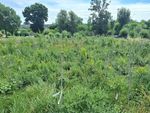
Mini-forests, characterized by species-rich plantings in small areas, are being implemented to enhance biodiversity and provide cooling effects within urban environments. These compact green spaces are designed to counteract the heat island effect common in cities, offering a significant ecological benefit despite their limited footprint. The initiative aims to introduce greater variety and resilience into built-up areas. By strategically placing these mini-forests, urban planners hope to improve air quality and create more pleasant microclimates. The concept leverages dense planting techniques to maximize ecological function in minimal space. This approach is gaining traction as a practical solution for integrating nature into densely populated cities. The goal is to foster a richer urban ecosystem and mitigate the impacts of climate change at a local level. These small-scale interventions are seen as a vital step towards making cities more sustainable and livable.
The proliferation of mini-forests represents a strategic approach to urban ecological restoration, addressing the dual challenges of biodiversity loss and urban heat. By concentrating diverse flora in small, accessible plots, these initiatives leverage ecological principles to maximize environmental benefits within constrained cityscapes. This model offers a scalable solution for enhancing urban resilience, potentially influencing future urban planning paradigms towards more integrated green infrastructure. The success of such projects hinges on careful site selection, species appropriate for local conditions, and long-term maintenance strategies to ensure sustained ecological function and community engagement.
AI-generated to prompt reflection — not editorial opinion, not advice, not a statement of fact. How this works.