Minimally Invasive Autopsies Reveal Causes of Infant Mortality in Karachi
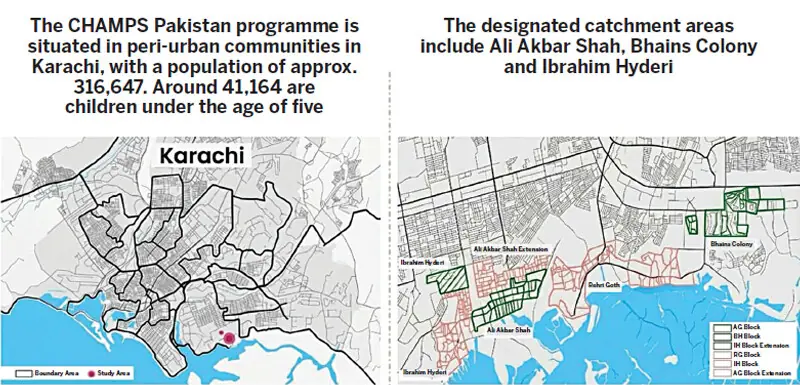
Researchers in Karachi are employing a minimally invasive tissue sampling (MITS) technique to determine the exact causes of death in infants and children under five. This method, part of the Gates Foundation's Child Health and Mortality Prevention Surveillance (CHAMPS) program, involves collecting tiny tissue and fluid samples from key organs using fine needles. These samples are then analyzed for pathogens and diseases, offering a precise diagnosis without a full surgical autopsy. The initiative aims to provide governments and health agencies with crucial data to address preventable child deaths. Initially, the program faced significant resistance in Pakistan due to religious beliefs against invasive procedures, with refusal rates as high as 60-70%. However, extensive community engagement, including obtaining over 28 fatwas and numerous discussions with local leaders, gradually led to family consent. The MITS technique has proven highly effective, identifying the cause of death in 98-100% of cases through advanced laboratory tests and expert panel reviews. This has revealed underlying conditions missed by visible symptoms and identified new local pathogen strains. The study site in Karachi was chosen for its diverse population, representing a microcosm of Pakistan. The CHAMPS team has established a robust surveillance network, involving community health workers, religious figures, shopkeepers, and informal healthcare providers, to be alerted to deaths occurring outside of hospitals. This allows them to respond rapidly, seek consent, and collect samples. One case highlighted how MITS identified acute gastroenteritis, caused by traditional green tea given to a newborn, as the cause of death, rather than kidney damage as initially suspected. The program also identified a treatable virus in another case, saving subsequent children. Furthermore, data indicates that hospital-acquired infections, including drug-resistant superbugs like Acinetobacter baumannii and Klebs pneumoniae, are a significant factor in infant mortality, often stemming from overcrowded wards and inadequate nurse-to-patient ratios.
The CHAMPS program's utilization of MITS in Karachi offers a powerful, data-driven approach to understanding and mitigating infant mortality. By overcoming cultural and religious barriers through persistent community engagement, the initiative demonstrates the potential for sensitive, evidence-based interventions. The findings regarding hospital-acquired infections underscore systemic issues within healthcare infrastructure, such as ward overcrowding and insufficient staffing, which create fertile ground for drug-resistant pathogens. Addressing these structural deficiencies is critical for reducing preventable deaths. The program's success in identifying specific pathogens and underlying causes, even in cases where initial diagnoses were incorrect, highlights the value of advanced diagnostic techniques in public health. Moving forward, scaling these methods and integrating their insights into national health policies could significantly impact child survival rates globally, particularly in regions with similar challenges.
AI-generated to prompt reflection — not editorial opinion, not advice, not a statement of fact. How this works.
