Mining Dispute Sparks Protests and Blockades in Atlántico, Colombia
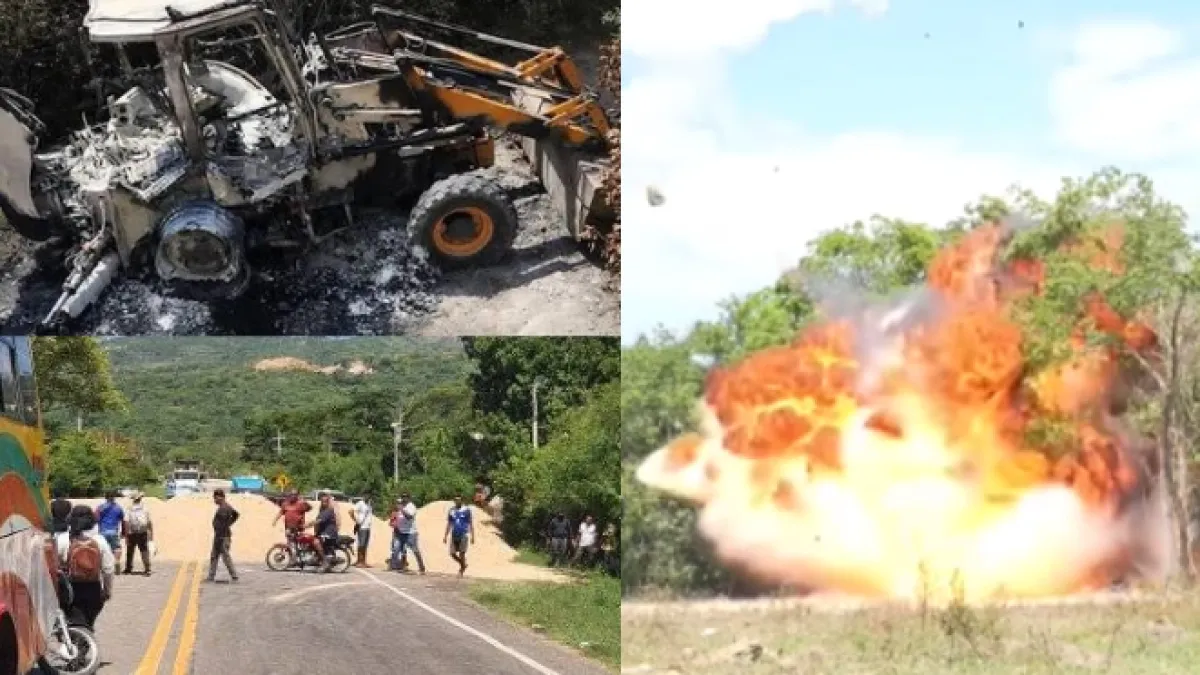
A complex mining dispute has led to blockades and protests in the Atlántico region of Colombia, specifically in the corregimiento of Arroyo de Piedra. The conflict involves clashes between the local community, authorities, and mining companies over the future of mining activities in the area. The recent escalation of tensions stems from an operation where heavy machinery used for illegal mining was incinerated. This action has intensified the ongoing disagreement about how mining should proceed and who has the right to exploit the region's resources. The situation highlights a deep-seated conflict over land use, economic development, and environmental concerns. The community's involvement suggests a strong desire to influence or halt mining operations they deem detrimental. Authorities are caught between enforcing regulations and managing public unrest, while companies are likely pursuing their economic interests. The future of Arroyo de Piedra's mining sector remains uncertain amidst these competing demands and the recent destructive intervention.
The conflict in Arroyo de Piedra exemplifies the persistent tension between resource extraction, community rights, and state regulation in developing regions. The incineration of mining machinery, while potentially aimed at curbing illegal activities, has evidently inflamed local sentiment and escalated the dispute. This suggests a need for more inclusive dialogue and transparent governance structures that address the root causes of illegal mining, such as lack of economic alternatives and perceived inequities in resource distribution. Moving forward, sustainable development strategies must balance economic opportunities with environmental stewardship and the socio-cultural integrity of local communities. The long-term challenge lies in establishing frameworks that prevent such standoffs by ensuring that all stakeholders have a voice and benefit equitably from resource utilization, thereby fostering stability rather than conflict.
AI-generated to prompt reflection — not editorial opinion, not advice, not a statement of fact. How this works.