Minister Investigates 200 Billion Forint Contract with Mészáros and Szíjj Companies
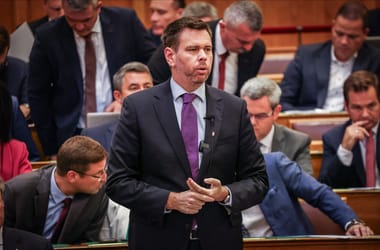
Hungarian Minister of Transport Dávid Vitézy is investigating a contract signed by Minister of Construction and Transport János Lázár. The contract, which reportedly costs the state an additional 200 billion forints, was awarded to companies owned by Lőrinc Mészáros and István Szíjj. Vitézy stated that he is looking into the details of the agreement to determine what actions can be taken. The significant financial burden imposed by this contract has raised concerns regarding its necessity and terms. Further details regarding the specific project or services covered by the contract have not yet been released. The investigation aims to clarify the justification for the inflated cost and explore potential recourse for the state. This situation highlights potential issues in public procurement processes and the management of state funds. The ministry's review will focus on the procurement procedures and the financial implications for the national budget. The outcome of the investigation is expected to shed light on accountability and transparency in such high-value state contracts.
The reported 200 billion forint cost overrun on a state contract warrants scrutiny of public procurement mechanisms. Examining the incentive structures that may lead to such significant price increases is crucial for ensuring fiscal responsibility. The minister's investigation into the agreement with companies linked to prominent business figures raises questions about potential conflicts of interest and the robustness of oversight. In the context of evolving governance standards and the increasing demand for transparency in the digital age, such events underscore the need for rigorous due diligence and competitive bidding processes. Evaluating the long-term economic implications and the potential for alternative, more cost-effective solutions will be key to preventing similar situations in the future and fostering public trust in the management of state resources.
AI-generated to prompt reflection — not editorial opinion, not advice, not a statement of fact. How this works.