Minister's Statement on Atrocities Raises Rule of Law Concerns
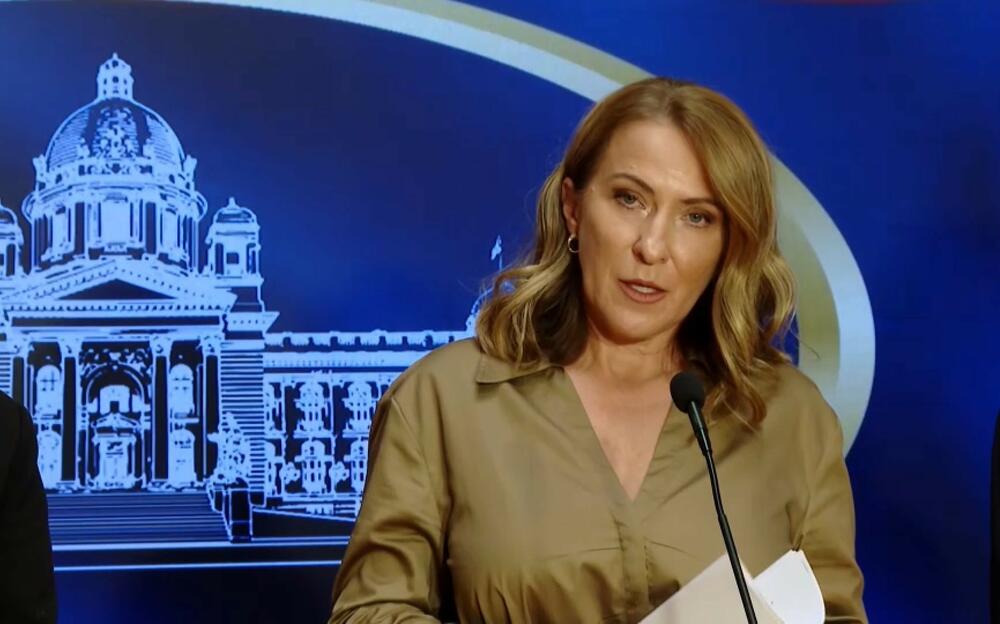
It is difficult to imagine a state founded on the rule of law that would ignore the criminal legal consequences of Minister Paunović's statement. The minister's declaration suggests that a crime against humanity should have been carried through to completion. Such a statement, particularly from a government official, raises serious questions about adherence to legal principles and international humanitarian law. The implications for the country's commitment to justice and accountability are significant. The rule of law requires that all individuals, especially those in positions of power, be held accountable for their words and actions. The international community often scrutinizes statements that appear to condone or encourage atrocities. The gravity of the alleged crime against humanity necessitates a thorough investigation into the minister's remarks and their potential impact on victims and societal trust. A robust legal framework should address such pronouncements to uphold human rights and prevent future violations.
The minister's statement, if accurately reported, presents a stark contradiction to the foundational principles of a state governed by law. The potential criminal legal ramifications highlight a critical tension between political rhetoric and judicial accountability. This situation prompts an examination of the internal mechanisms designed to ensure that public officials uphold ethical standards and legal obligations, particularly concerning grave international crimes. The durability of a nation's commitment to justice is tested when its leaders' public discourse appears to diverge from established legal norms. Such events underscore the importance of independent judicial oversight and public scrutiny in maintaining the integrity of the legal system and fostering societal confidence in its impartiality, especially in the context of historical grievances and ongoing efforts toward reconciliation.
AI-generated to prompt reflection — not editorial opinion, not advice, not a statement of fact. How this works.