Minister: Traditional Leadership Recognition Based on Lineage, Not Politics
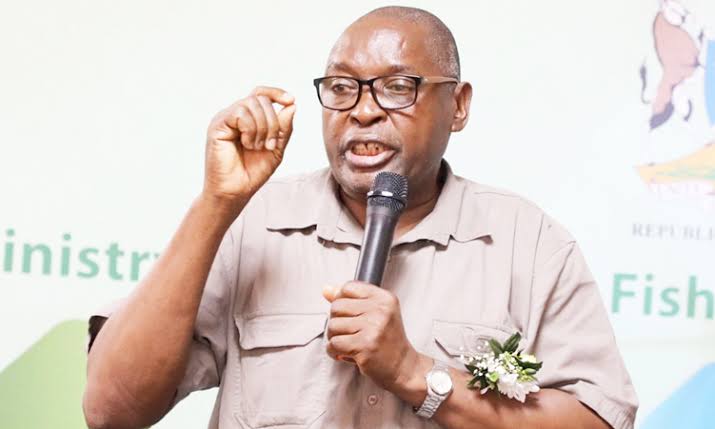
James Sankwasa, the Urban and Rural Development Minister, has issued a clear directive that political affiliation will not be a factor in recognizing traditional leaders. He emphasized that applications for chieftaincy must strictly adhere to customary law and the established requirements of hereditary succession. During a public engagement held in Opuwo on Wednesday, Minister Sankwasa addressed concerns, stating that individuals should not anticipate recognition as chiefs solely based on their political affiliations. The minister's remarks underscore a commitment to upholding traditional governance structures and ensuring that the process of recognizing traditional leaders remains rooted in established customary practices and lineage, rather than contemporary political considerations. This approach aims to preserve the integrity and legitimacy of traditional leadership roles within the community.
The Minister's assertion signals a governmental effort to decouple traditional leadership recognition from political patronage, aiming to reinforce the legitimacy of chieftaincy based on established customary law and hereditary succession. This stance could mitigate potential conflicts arising from political interference in traditional governance, thereby promoting stability within communities. By emphasizing lineage and customary law, the policy seeks to preserve the historical and cultural integrity of traditional leadership structures. Future developments may reveal the effectiveness of this policy in practice and its impact on community dynamics, particularly in navigating the intersection of traditional authority and modern political systems.
AI-generated to prompt reflection — not editorial opinion, not advice, not a statement of fact. How this works.