Ministers' Removal and Presidential Discretion
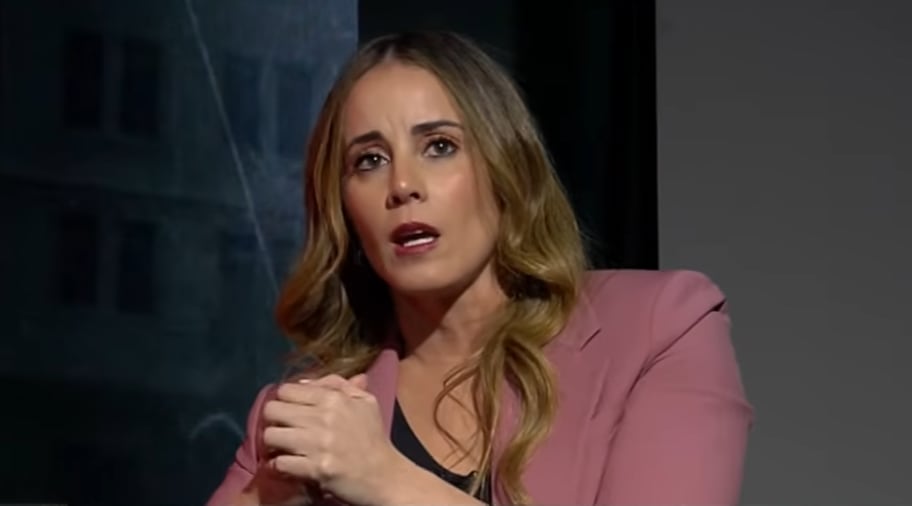
The author, Felipe Lizama Allende, an attorney, addresses the nature of ministerial appointments and removals in relation to the President's discretionary powers. Ministers serve at the pleasure of the President, who has the authority to appoint and dismiss them freely. This power is particularly significant given the ministers' roles in guiding government policy towards the common good. Lizama Allende emphasizes that a minister's removal does not automatically signify a failure in their duties or ethical conduct; often, governmental prudence dictates such decisions. He criticizes public reproaches of presidential decisions, especially when they involve unspecified actors and remain silent on crucial details, suggesting such actions create undue doubt and harm the government. These public reactions, he argues, can indicate a low tolerance for frustration and a lack of self-criticism. While present-day agreement with such decisions isn't necessary, accepting them with fortitude is important, particularly as they help confront injustices. Lizama Allende concludes by stating that resilience and tenacity are essential qualities for individuals to overcome adversity and form a reasonable and legitimate governing option for Chile.
This commentary frames presidential decisions regarding ministerial appointments and removals as matters of executive discretion, emphasizing that dismissals are not necessarily punitive. It critiques public reactions that question these decisions without specific evidence, suggesting such responses can undermine governmental stability. The piece advocates for acceptance of executive prerogative, linking it to the resilience needed to address societal challenges. From a governance perspective, the analysis highlights the inherent tension between executive authority and public accountability. The author's call for fortitude in the face of perceived injustices points to a broader societal need for constructive engagement with political processes, rather than reactive criticism. Future governance models may need to balance swift executive action with transparent communication to maintain public trust and foster effective policy implementation.
AI-generated to prompt reflection — not editorial opinion, not advice, not a statement of fact. How this works.