Minneapolis Air Quality Plummets to Worst Globally Amid Wildfire Smoke
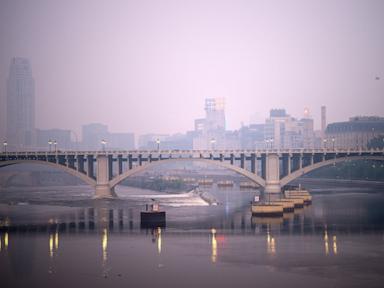
Minneapolis, Minnesota experienced the worst air quality among major cities worldwide on Thursday. This severe degradation was caused by dense smoke originating from wildfires actively burning in the northern regions of the state. The smoke created hazardous breathing conditions, significantly impacting the metropolitan area. Residents were advised to take precautions due to the unhealthy air. The situation highlights the far-reaching effects of regional wildfires on urban environments, even those geographically distant from the fire's origin. Air quality indexes reflected extremely poor conditions, urging people to limit outdoor activities. The event underscores the vulnerability of densely populated areas to environmental events occurring hundreds of miles away. The smoke plume traveled a considerable distance, demonstrating the interconnectedness of air quality across large geographical areas.
The extreme air quality event in Minneapolis illustrates the cascading environmental impacts of widespread wildfires, demonstrating how localized events can have global repercussions on air quality. This situation underscores the growing challenge of managing transboundary pollution, particularly in an era of increasing climate instability which may exacerbate wildfire frequency and intensity. Future urban planning and public health strategies will need to incorporate robust air quality monitoring and alert systems, alongside proactive measures to mitigate wildfire risks and their downstream effects on population centers. The incident prompts consideration of inter-jurisdictional cooperation and investment in technologies that can predict and manage smoke dispersion over vast distances.
AI-generated to prompt reflection — not editorial opinion, not advice, not a statement of fact. How this works.