Minor 1.6 Magnitude Earthquake Shakes Sappemeer, Groningen
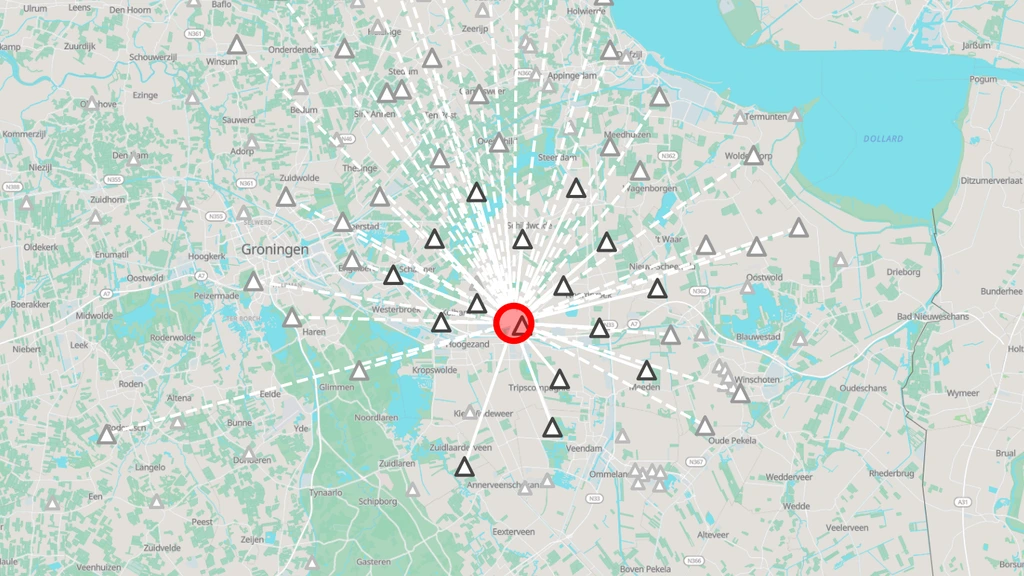
A 1.6 magnitude earthquake occurred in Sappemeer, Groningen, on the evening of [Yesterday's Date], shortly after 7:00 PM. The tremor was widely felt by residents, with dozens of reports received by RTV Noord. The Royal Netherlands Meteorological Institute (KNMI) registered the event, attributing it to human activity, specifically gas extraction in Groningen. These shallower, human-induced quakes are often felt more intensely. Residents described the earthquake as a "short, intense thud," "brief, but audible and palpable," and a "bang followed by a significant vibration." One resident from Froombosch, a village near Sappemeer, witnessed their table suddenly move and was startled by the noise. In Sappemeer itself, an inhabitant experienced the shock as "a kind of blow," hearing their door and glass vibrate, with "everything shaking in the house." Although the number of earthquakes in the region has decreased since the cessation of gas extraction from the Groningen field in 2024, the KNMI notes that the risk of future tremors persists. This was exemplified in 2025 with a 3.4 magnitude earthquake in Zeerijp, Groningen, which was the third-strongest recorded in the Groningen field.
This event highlights the persistent seismic risks in the Groningen region, even after the official halt of gas extraction in 2024. The KNMI's confirmation that the 1.6 magnitude earthquake was human-induced underscores the long-term geological consequences of past industrial activities. While the frequency and intensity of quakes have reportedly declined, the 2025 Zeerijp event serves as a reminder of the potential for significant seismic activity. This situation presents a complex challenge for regional governance, balancing the need for continued safety monitoring and potential mitigation strategies against the backdrop of historical energy production. The ongoing risk, however small, necessitates sustained public awareness and preparedness, particularly for communities directly impacted by these residual geological stresses.
AI-generated to prompt reflection — not editorial opinion, not advice, not a statement of fact. How this works.