Misfolded Insulin Linked to Diabetes Development by Researchers
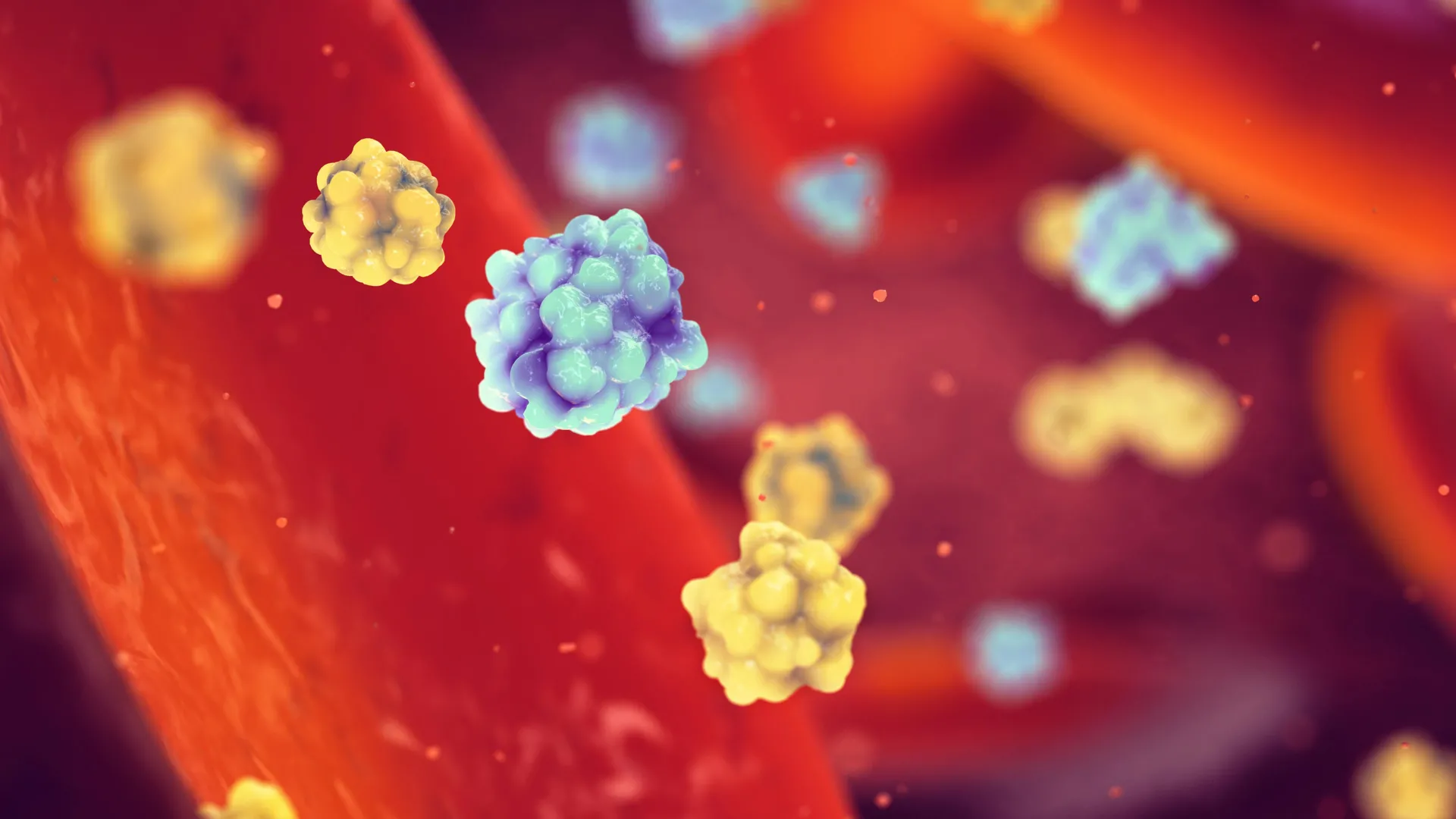
Scientists have discovered that insulin-producing cells rely on a group of helper proteins to maintain efficient insulin production. When a crucial protein in this team is absent or impaired, damaged insulin proteins accumulate within the cells. This buildup leads to a reduction in the amount of insulin the cells can produce. The research suggests that bolstering this cellular protein-folding system could present a novel therapeutic strategy. Such an approach might help protect the pancreas from further damage as diabetes progresses. This finding opens a new avenue for understanding and potentially treating diabetes.
This research highlights a potential mechanism contributing to the progression of diabetes by focusing on cellular protein homeostasis. The findings suggest that disruptions in the protein-folding machinery within pancreatic beta cells can lead to functional decline. Understanding these intracellular processes could inform the development of interventions aimed at preserving beta cell function, a critical factor in managing diabetes. Future therapeutic strategies might target the identified helper proteins or pathways to enhance cellular resilience against the stresses that lead to insulin deficiency. This perspective shifts focus towards cellular quality control as a key determinant of pancreatic health in the context of metabolic disease.
AI-generated to prompt reflection — not editorial opinion, not advice, not a statement of fact. How this works.