Misinformation About Baby Rattlesnakes Persists, Study Finds
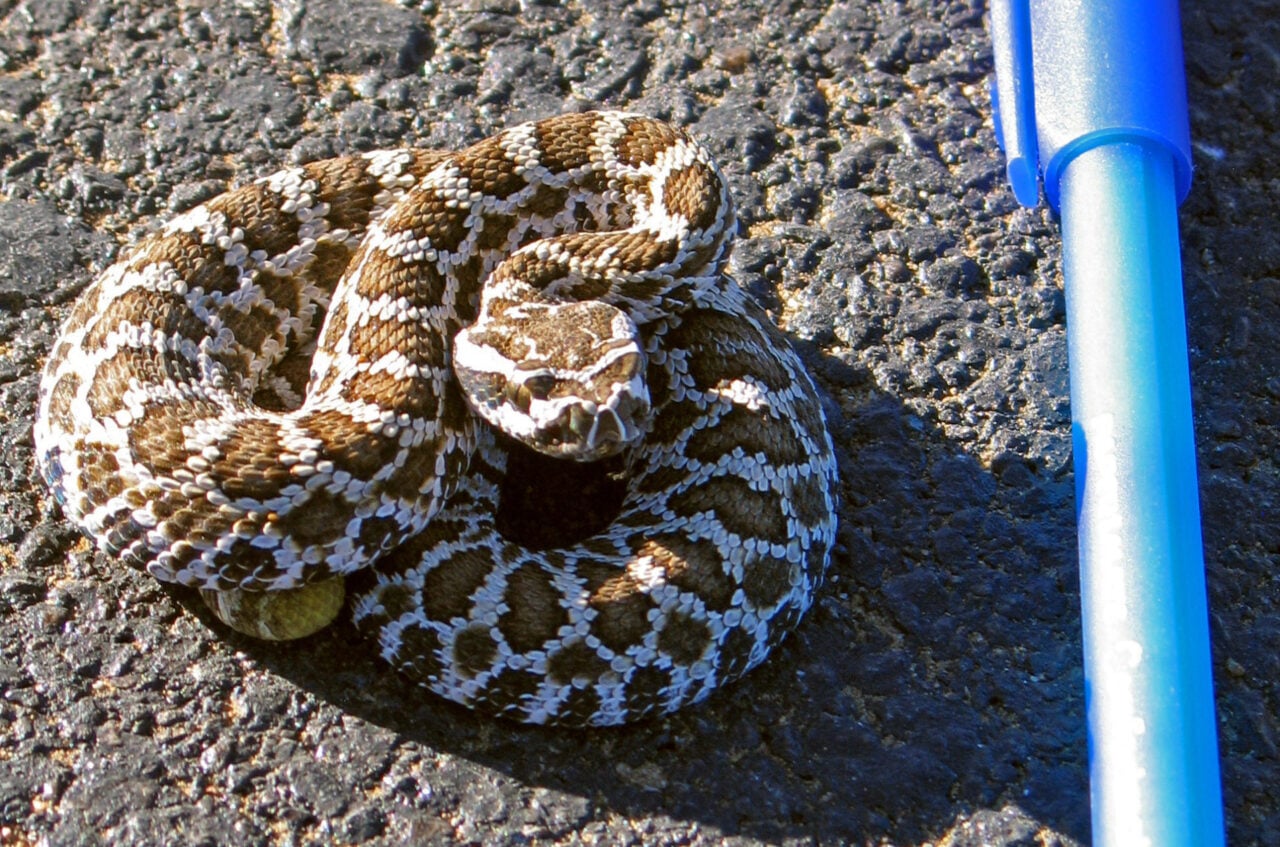
A recent study has revealed that inaccurate information regarding the threat posed by young rattlesnakes has been widely disseminated for decades. This misinformation has been perpetuated by various authoritative sources, including police officers, park rangers, and even a poison control center. The study highlights a persistent gap in public understanding about the actual dangers associated with juvenile rattlesnakes. This widespread dissemination of incorrect facts suggests a need for better training and updated protocols for individuals and organizations tasked with public safety and education. The findings underscore the importance of evidence-based information dissemination, particularly when dealing with potentially hazardous wildlife. The continued spread of this myth indicates a systemic issue in how information is updated and communicated through official channels. Consequently, the public may hold misconceptions that could influence their behavior and safety around these animals.
The persistence of misinformation, even from official sources like law enforcement and park services, indicates potential systemic issues in knowledge updating and public communication protocols. This suggests a need for continuous professional development and robust fact-checking mechanisms within these organizations. The public's perception of risk, influenced by such narratives, can lead to either unnecessary fear or dangerous underestimation of potential threats. In the context of wildlife management and public safety, accurate information is crucial for fostering coexistence and preventing harmful encounters. Future strategies should focus on leveraging digital platforms and inter-agency collaboration to ensure timely dissemination of scientifically validated information, thereby building public trust and promoting informed decision-making.
AI-generated to prompt reflection — not editorial opinion, not advice, not a statement of fact. How this works.