Missão Velha: A Historic Brazilian Town Rooted in Catholic Pioneerism and Heritage Preservation
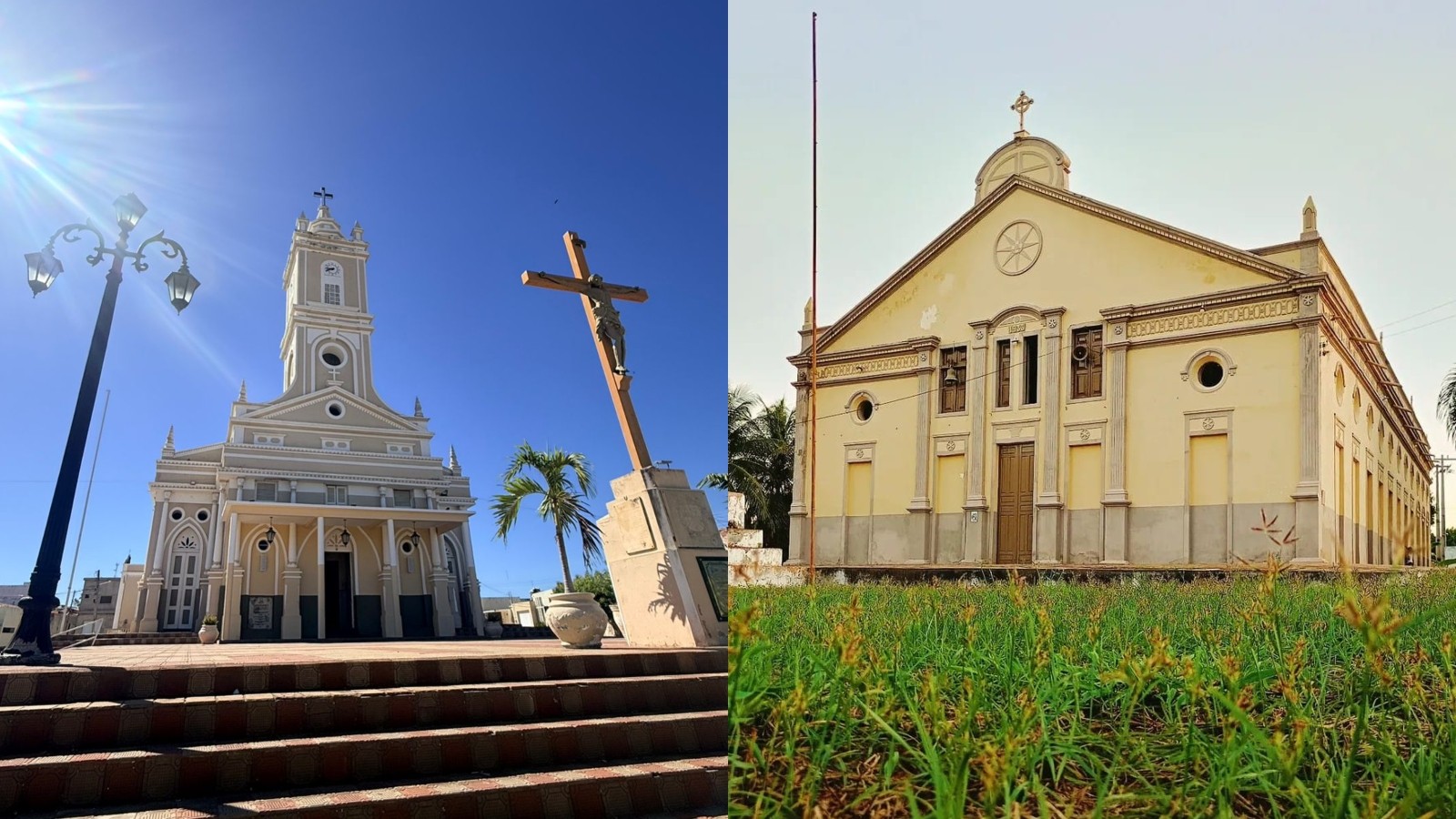
Missão Velha, a municipality in Ceará, Brazil, known as the 'Gateway to Cariri,' is a town with deep historical roots, tracing its origins to the early 18th century. It was one of the first settlements in the Cariri region, initially attracting inhabitants with the natural beauty of its namesake waterfall. The town's administrative history includes the recent 162nd anniversary of its comarca, though its official founding dates back to January 28, 1748, and its emancipation to December 8, 1864. Today, Missão Velha is home to nearly 37,000 people.
João Correia Arnaud, from Bahia, is credited with arriving near the waterfall in 1707, viewing it as an oasis and later returning with his family, establishing what is believed to be the first civil construction in the Cariri region. The town also holds significant importance in the history of Catholicism in the area, being a site of early Capuchin missionary work. The first parish in Cariri was established here on January 28, 1748, initially dedicated to Our Lady of Light and later to Saint Joseph. Architectural remnants from the 18th and 19th centuries are still present, including the matriz church, which underwent significant structural changes, and the 301-year-old Chapel of Santo Antônio in Missão Nova, considered the first Catholic temple in Cariri.
Beyond religious sites, historical buildings like a 19th-century manor in Missão Nova, once belonging to a large landowner, and the 1904 Casa da Família Pita in the city center, are testaments to the region's past. Another notable structure is the 1927 house of Isaías Arruda, the first mayor, which features a German-style bunker, reflecting his powerful and complex influence. Efforts are underway to preserve these sites, with historians advocating for the conversion of Arruda's house into a museum. The town's former railway station, built in 1925 as part of the Baturité Railway, also stands as a symbol of its development. However, many historical buildings remain uninhabited, and a comprehensive survey of preserved historical properties is still lacking, prompting calls for greater municipal attention to heritage preservation.
Missão Velha's historical narrative highlights the interplay between natural resources, religious influence, and the consolidation of power in shaping early Brazilian settlements. The preservation of its architectural heritage, from religious structures to private residences of influential figures, offers a tangible link to the region's socio-economic evolution. The ongoing efforts to transform historical properties into museums and the call for greater municipal support underscore a contemporary challenge: balancing private ownership and historical significance with public access and educational value. As the region navigates its future, integrating this rich past into modern development strategies, particularly through tourism, will be crucial for both economic growth and cultural continuity, ensuring that the stories embedded within these structures resonate with future generations.
AI-generated to prompt reflection — not editorial opinion, not advice, not a statement of fact. How this works.