Missed Billion-Dollar Deal: How 40 Investors Passed on Amazon's First Funding Round
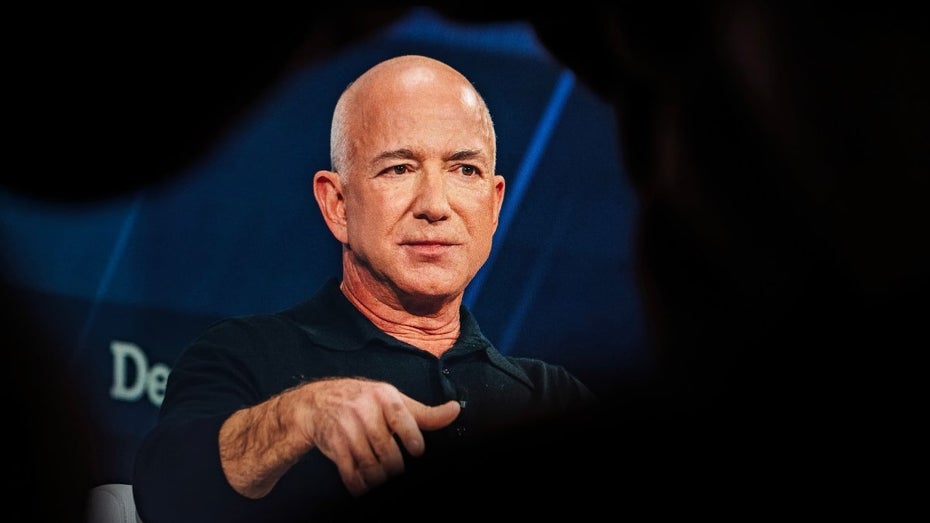
The early stages of company formation, particularly securing initial capital, can be a challenging and often frustrating process. This was true even for companies that have since become global giants. A retrospective look at Amazon's beginnings reveals surprising parallels to the difficulties faced by startups today.
In its nascent phase, Amazon sought funding from numerous investors. However, a significant number, approximately 40 investors, ultimately declined to participate in the company's first funding round. This decision meant they missed out on the opportunity to invest in what would become one of the world's most valuable corporations. The article suggests that this historical event offers valuable insights for contemporary entrepreneurs and investors navigating the complexities of startup financing.
The historical reluctance of numerous investors to fund Amazon's initial stages highlights the inherent difficulty in identifying transformative business models early on. This pattern underscores the significant risk premium associated with early-stage ventures, where potential future market dominance is often obscured by immediate operational uncertainties and unproven scalability. Such instances prompt reflection on the systemic biases that may favor established players over disruptive innovators, and the importance of foresight in capital allocation. Understanding these dynamics is crucial for fostering an investment ecosystem that can better support the next generation of world-changing companies, balancing risk assessment with the recognition of paradigm-shifting potential.
AI-generated to prompt reflection — not editorial opinion, not advice, not a statement of fact. How this works.