Missing Cook's Body Found in Angra dos Reis; Employer Suspected of Murder
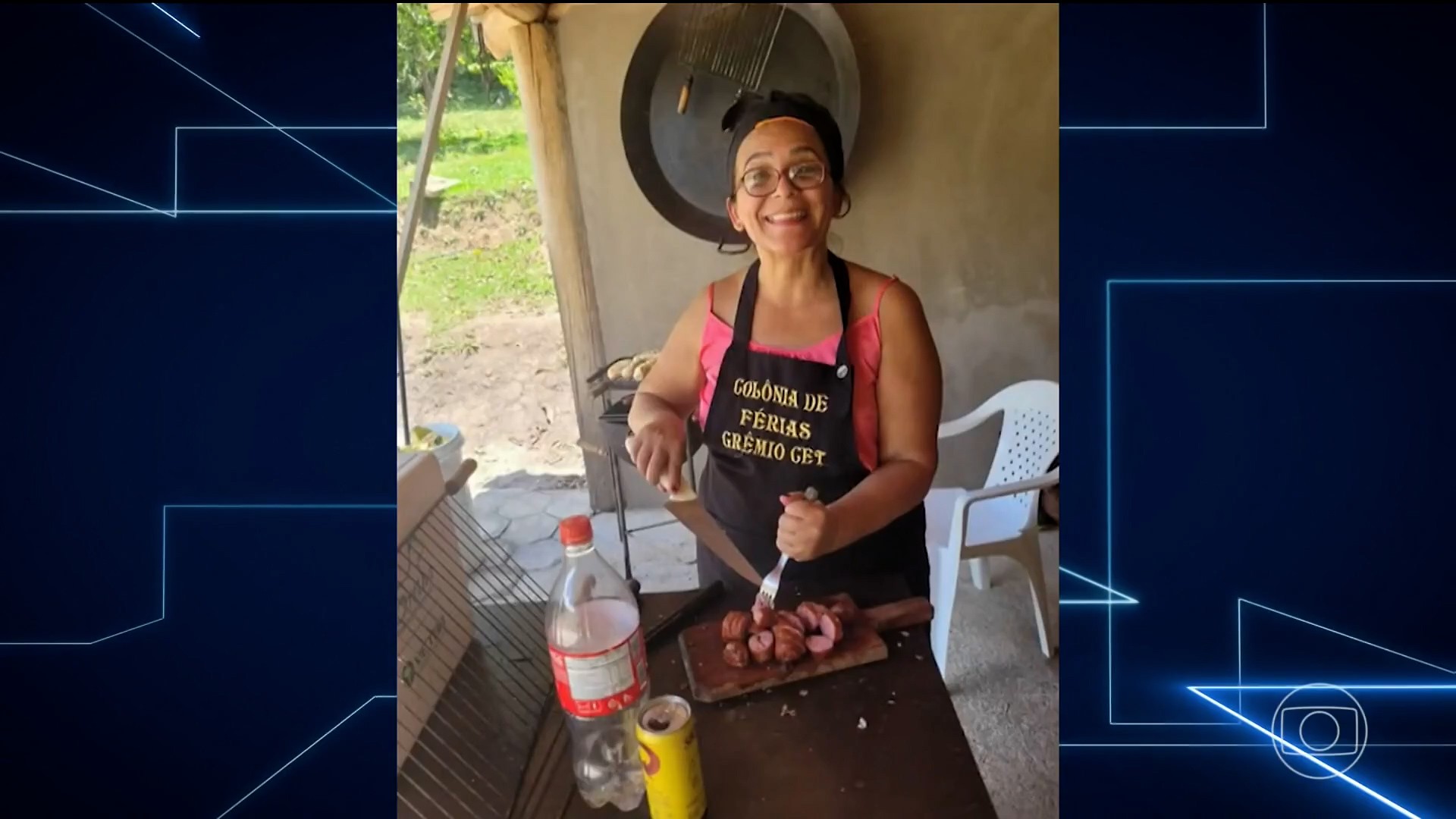
The bodies of Berenice Ramos de Aguiar, a 60-year-old cook who had been missing since June 30th, were discovered on Friday, August 17th, along a road in Angra dos Reis, Rio de Janeiro. Her disappearance prompted a 17-day search by police in both São Paulo and Rio de Janeiro. Aguiar lived and worked at a restaurant in Ubatuba, São Paulo. Her employer, Eliane Alves dos Santos, initially told authorities that Aguiar had found a new job and that she had driven her to a Ubatuba neighborhood on June 30th. However, surveillance footage from São Paulo's Civil Police shows dos Santos's pickup truck traveling towards Rio de Janeiro on the day of the disappearance and returning the same night. These findings led to dos Santos's temporary arrest on July 10th. Investigators found evidence of a recently repaired bullet impact on dos Santos's truck, along with blood traces that are undergoing forensic analysis to determine if they belong to Aguiar. The discovery of Aguiar's body was facilitated by traffic radar data that tracked the vehicle's movements. The primary motive for the crime, according to police, is believed to be a dispute over final salary payments and severance. Authorities are also investigating the possibility of accomplices, as the remote location where the body was found suggests assistance was likely involved. Further forensic examinations are pending to confirm Aguiar's identity and the exact cause of death.
This case highlights the critical role of digital forensics, specifically traffic camera data and vehicle examination, in modern criminal investigations. The progression from a missing person report to a suspected homicide investigation, driven by evidence such as surveillance footage and forensic traces, demonstrates the increasing reliance on technological tools to reconstruct events. The alleged dispute over labor termination pay suggests that workplace conflicts can escalate to severe outcomes, underscoring the importance of fair employment practices and dispute resolution mechanisms. The investigation's focus on potential accomplices due to the remote discovery site points to the complex logistics often involved in concealing crimes, prompting a broader examination of accountability and evidence gathering in such scenarios. Future developments will likely hinge on the forensic confirmation of the blood evidence and the legal proceedings against the primary suspect.
AI-generated to prompt reflection — not editorial opinion, not advice, not a statement of fact. How this works.