Missing Doctor Found Dead Inside Tomb in Porto Velho Cemetery
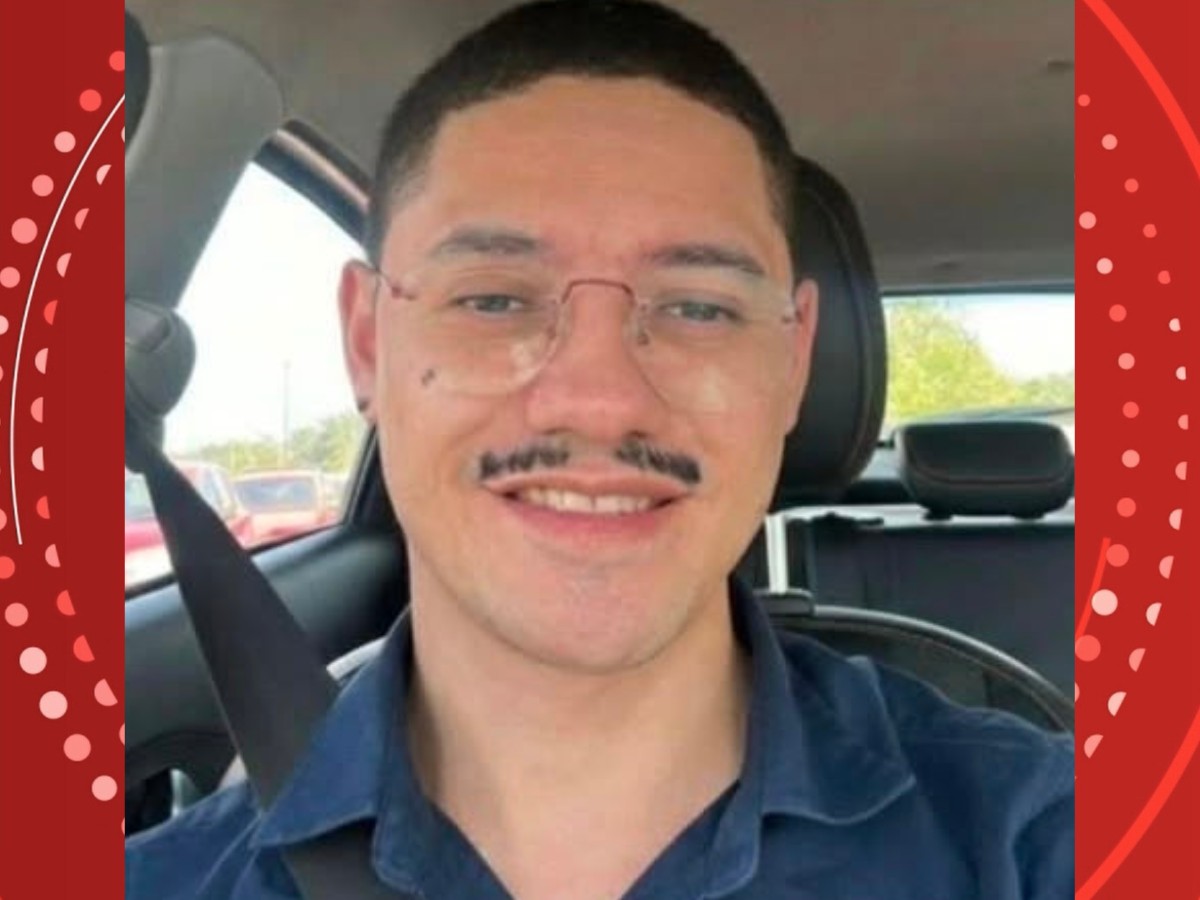
Dr. Lucas Macedo Martins, who had been missing since Tuesday, November 21st, was discovered deceased on Friday, November 24th, inside a tomb at the Santo Antônio Cemetery in Porto Velho. Cemetery employees found the body after noticing that a grave had been disturbed; the tomb's lid was broken. Upon investigation, they found a corpse and alerted the authorities. Investigators confirmed the body belonged to Dr. Martins, who was reported missing earlier in the week. The victim was found partially unclothed and exhibited signs of assault. Preliminary findings from the Civil Police suggest Dr. Martins may have been at the cemetery with another individual, possibly for an intimate encounter, which may have escalated into an argument and subsequent aggression. Evidence recovered at the scene includes brick fragments with bloodstains and strands of hair, which will undergo forensic analysis. Dr. Martins sustained a left-sided skull injury, facial depression, and a severe wound to his right eye. Authorities have also received information indicating that the victim's car was taken to Bolivia. The investigation is ongoing to identify the perpetrator and determine the motive for the homicide. Porto Velho is noted as one of the 50 cities globally with the highest homicide rates.
This tragic event highlights the vulnerability of individuals and the challenges faced by law enforcement in resolving violent crimes. The discovery of Dr. Martins' body within a cemetery tomb, coupled with evidence of assault and the alleged theft of his vehicle, points to a complex and potentially premeditated act. The investigation's focus on a possible personal dispute escalating to violence suggests that interpersonal dynamics can have severe and fatal consequences, even in seemingly secure environments. As Porto Velho grapples with high homicide rates, this case underscores the broader societal need for enhanced public safety measures and effective crime resolution strategies. Understanding the underlying factors contributing to such violence, including potential motives and the circumstances leading to the encounter, will be crucial for preventing future occurrences and ensuring justice.
AI-generated to prompt reflection — not editorial opinion, not advice, not a statement of fact. How this works.