Missing Driver, Chronic Pain Law, and Minor Earthquake Highlighted in Minas Gerais News
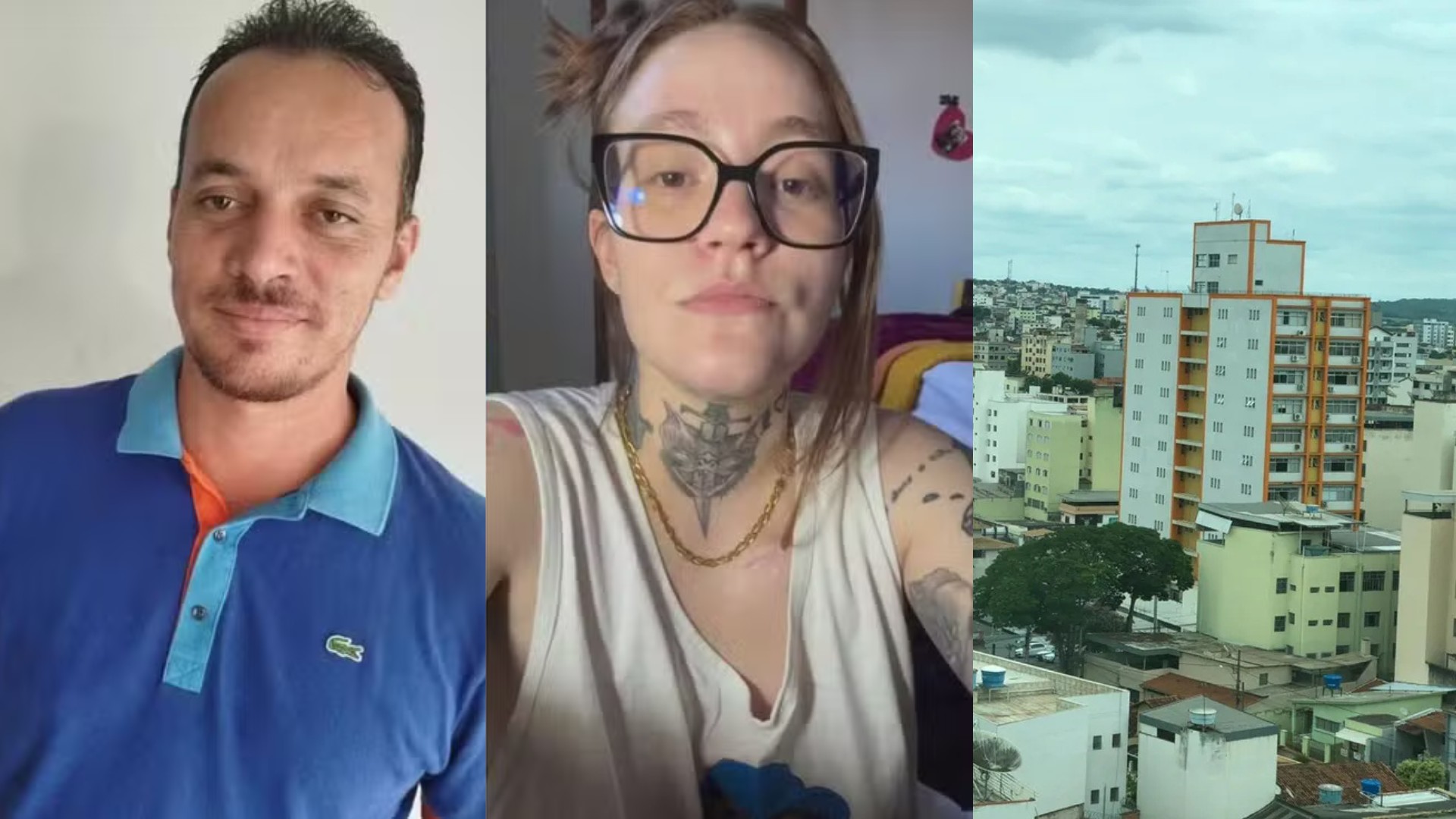
A 42-year-old app driver, Fábio Rodrigues da Silva, has been missing for ten months since September 2025. His family, particularly his sister Daniely Cristina Menezes da Silva, continues to search for him. The vehicle Fábio was using was found abandoned in a crater in the São José neighborhood of Nova Serrana the day after his disappearance, with all his personal belongings inside. The Civil Police are investigating the case, and Daniely actively follows up on any leads.
A new law enacted in June aims to improve care for chronic pain patients in Brazil. This legislation mandates comprehensive care within the Unified Health System (SUS), requires chronic pain education in healthcare courses, and establishes July 5th as the National Day for Awareness and Confrontation of Chronic Pain. Carolina Arruda, a resident of Bambuí suffering from trigeminal neuralgia for nearly 13 years, describes it as one of the most painful conditions known. She believes the law offers hope for millions by potentially reducing diagnostic and treatment delays and providing more organized care, acknowledging that chronic pain impacts all aspects of life.
Additionally, a minor earthquake measuring 1.9 on the Richter scale was registered in Divinópolis on Tuesday, July 14th. The Brazilian Seismographic Network (RSBR) reported the event occurred around 7 PM. Experts from the University of São Paulo's Seismology Center noted that while such tremors can be startling, they are not strong enough to cause significant damage. They are investigating whether it was a natural seismic event or potentially related to mining activity.
The news highlights three distinct events in Minas Gerais, Brazil, reflecting diverse societal concerns. The prolonged disappearance of Fábio Rodrigues da Silva underscores persistent challenges in missing persons investigations and the emotional toll on families. The enactment of the chronic pain law signifies a governmental response to a growing public health issue, aiming to improve patient outcomes and reduce suffering by integrating care and education. This legislative effort addresses systemic gaps in healthcare access for debilitating conditions. The minor earthquake in Divinópolis serves as a reminder of geological realities, prompting scientific assessment to distinguish natural phenomena from potential human-induced impacts like mining, which can have localized environmental consequences. Collectively, these stories illustrate the intersection of personal crises, public health policy, and natural events within a specific region.
AI-generated to prompt reflection — not editorial opinion, not advice, not a statement of fact. How this works.