Missing persons photos surface on social media that encouraged their journey
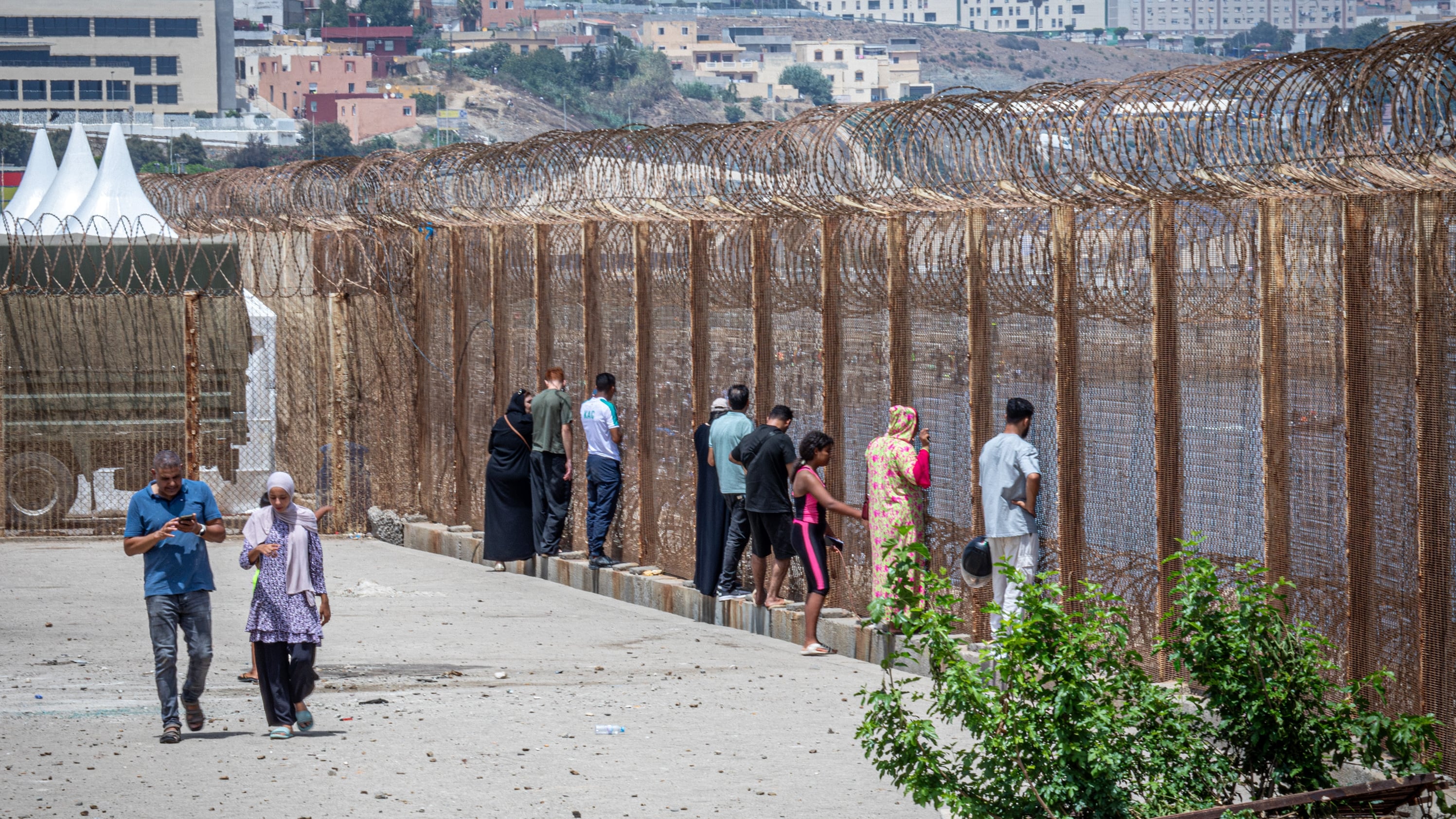
Photographs of individuals who have gone missing in Ceuta have appeared on the same social media platforms that initially encouraged their perilous journeys. This situation has arisen amidst a significant migration crisis between Morocco and Spain. The revelation of a supposed private trip to Mallorca by Moroccan Prime Minister Aziz Akhannouch during this critical period has sparked widespread indignation within Moroccan media outlets. The Prime Minister's travel plans, occurring while his country grapples with a severe migration issue, have been met with strong criticism. This juxtaposition of a leader's personal travel and a national crisis has fueled public anger and media scrutiny. The use of social media to encourage migration, followed by the appearance of missing persons' photos on those same platforms, highlights a disturbing cycle. The incident underscores the complex and often tragic realities faced by migrants and the challenges in managing cross-border movements.
The surfacing of missing persons' images on platforms that promoted their migration routes, concurrent with a political leader's travel during a crisis, presents a stark contrast in priorities. This situation highlights the complex interplay between social media's influence, migration dynamics, and governmental response. The public's indignation suggests a perceived disconnect between the leadership's actions and the severity of the citizen-level crisis. Such events prompt reflection on the accountability of social media platforms in moderating content that may incite dangerous activities, and on the importance of transparent governance during times of national challenge. Looking ahead, the increasing role of digital platforms in shaping migration narratives and the imperative for responsive, empathetic leadership will be critical factors in navigating future humanitarian and geopolitical situations.
AI-generated to prompt reflection — not editorial opinion, not advice, not a statement of fact. How this works.
