Mitochondrial Quality Control: Mechanisms and Therapeutic Avenues in Health and Disease
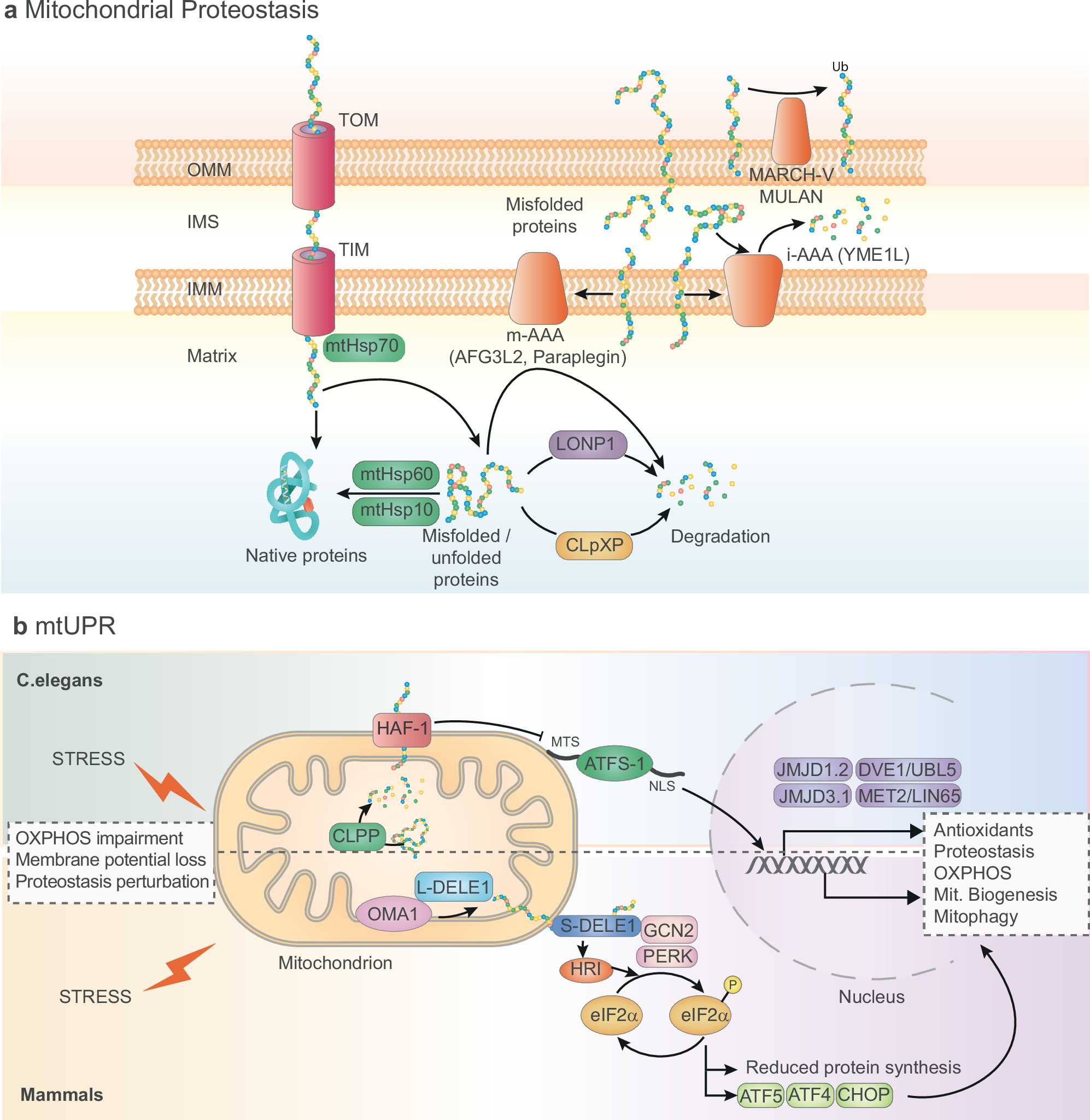
Mitochondrial quality control is a crucial cellular process that ensures the proper functioning of mitochondria, the powerhouses of the cell. This intricate system involves various mechanisms designed to maintain mitochondrial health and prevent the accumulation of damaged components. Key processes include mitochondrial biogenesis, where new mitochondria are synthesized; mitochondrial dynamics, which encompasses fusion and fission events that regulate mitochondrial shape and distribution; and mitophagy, a selective form of autophagy that removes damaged or dysfunctional mitochondria. These quality control mechanisms are vital for cellular homeostasis and overall organismal health. Dysregulation of mitochondrial quality control has been implicated in a wide range of diseases, including neurodegenerative disorders like Parkinson's and Alzheimer's diseases, metabolic conditions such as diabetes, cardiovascular diseases, and cancer. The accumulation of damaged mitochondria can lead to increased oxidative stress, impaired energy production, and cellular dysfunction, contributing to disease pathogenesis. Understanding these mechanisms opens up potential therapeutic avenues. Strategies aimed at enhancing mitochondrial quality control, such as promoting mitophagy or improving mitochondrial biogenesis, are being explored as novel treatments for various pathologies. Furthermore, targeting specific pathways involved in mitochondrial dynamics or protecting mitochondria from damage could offer new therapeutic interventions. Research in this area continues to uncover the complex interplay between mitochondrial health and disease, paving the way for innovative therapeutic strategies.
The maintenance of mitochondrial integrity is fundamental to cellular function and organismal health, with failures in quality control pathways directly linked to numerous chronic diseases. The therapeutic potential lies in modulating these endogenous repair and clearance mechanisms, rather than solely focusing on symptom management. Future interventions will likely leverage advancements in genetic engineering, targeted drug delivery, and personalized medicine to optimize mitochondrial function, offering a proactive approach to disease prevention and treatment within the next decade. The challenge remains in achieving precise control over these complex cellular processes to avoid unintended consequences and ensure broad efficacy across diverse disease states.
AI-generated to prompt reflection — not editorial opinion, not advice, not a statement of fact. How this works.