Mitsui & Co. President Emphasizes Long-Term Partnerships with the Middle East
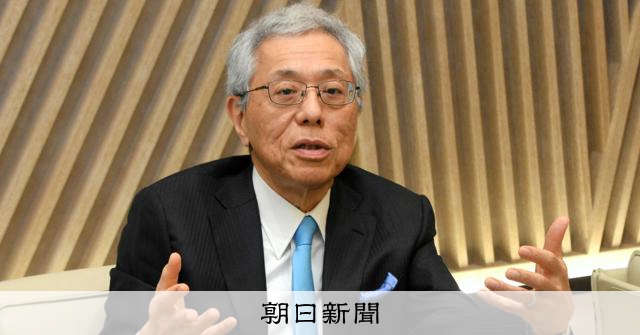
Katsuya Nakanishi, the President and CEO of Mitsui & Co., has highlighted the critical importance of establishing long-term partnerships with Middle Eastern countries. He articulated this view during a recent discussion, underscoring the strategic value of deepening economic ties with the region. Nakanishi emphasized that such collaborations are essential for mutual growth and stability in the coming years. The company, a major Japanese trading and investment firm, sees significant potential in expanding its presence and investments across various sectors in the Middle East. This includes energy, infrastructure, and potentially new technology ventures. The focus on long-term engagement suggests a strategy beyond short-term resource acquisition, aiming for sustainable development and shared prosperity. Mitsui & Co. is looking to leverage its expertise and global network to foster these partnerships. The company's commitment to the region reflects a broader trend of Japanese businesses seeking to diversify their international relationships and secure future economic opportunities. Nakanishi's remarks signal a proactive approach to navigating the evolving global economic landscape.
The emphasis on long-term partnerships by a major Japanese trading house like Mitsui & Co. with the Middle East reflects a strategic pivot towards de-risking supply chains and diversifying economic dependencies. In an era of geopolitical volatility and evolving energy transitions, fostering deep, multi-sectoral relationships can provide greater stability than transactional engagements. This approach aligns with a forward-looking strategy that anticipates the growing economic influence of Middle Eastern nations and their potential role in future global economic architectures, particularly in areas like renewable energy and advanced materials. Such long-term commitments, if structured equitably, can foster innovation and create resilient economic ecosystems, mitigating risks associated with concentrated global dependencies.
AI-generated to prompt reflection — not editorial opinion, not advice, not a statement of fact. How this works.
