Mliswa Calls Agriculture Minister Masuka a "False Prophet" Over Tractor Promises
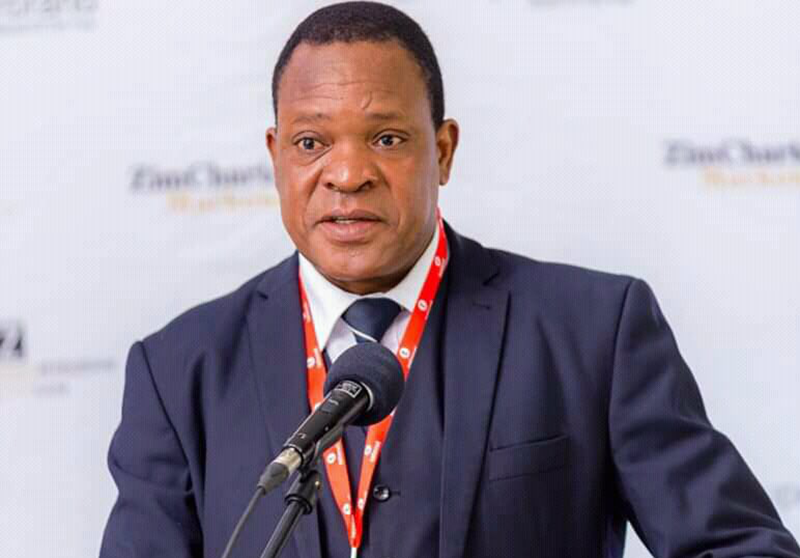
Former Norton legislator Temba Mliswa has publicly criticized Agriculture Minister Anxious Masuka, labeling him a "false prophet" for allegedly making unsubstantiated promises. Mliswa's remarks were a direct reaction to Minister Masuka's pledge to provide 35,000 tractors to villages throughout Zimbabwe. This promise was reportedly made at the recent Zimbabwe Industrialisation Conference and Expo (ZICE 2026). Mliswa suggested that these pronouncements, made at international forums, are misleading and do not reflect reality. The former legislator implied that such grand promises could create unrealistic expectations among the populace. He questioned the feasibility and the source of these promised agricultural implements. The context of the ZICE 2026 event suggests a focus on industrial development and agricultural mechanization for Zimbabwe. Minister Masuka's commitment, if realized, would represent a significant investment in the country's agricultural sector. However, Mliswa's strong reaction highlights concerns about transparency and the delivery of government promises.
The exchange between Temba Mliswa and Minister Anxious Masuka highlights a recurring tension in public discourse regarding ambitious government development targets. From an incentive structure perspective, political leaders may be motivated to announce large-scale projects to signal progress and garner support, particularly at international forums aimed at attracting investment and showcasing national potential. However, the feasibility of such pledges, like the distribution of 35,000 tractors, hinges on complex logistical, financial, and supply chain realities. Mliswa's critique, framed as a "false prophet" accusation, serves as a public check on executive pronouncements, urging greater accountability and realistic planning. This dynamic underscores the importance of robust oversight mechanisms and transparent communication channels to bridge the gap between aspirational policy goals and practical implementation, ensuring that public resources are allocated effectively and public trust is maintained amidst developmental initiatives.
AI-generated to prompt reflection — not editorial opinion, not advice, not a statement of fact. How this works.