Moacir Santos: A Century of Brazilian Music Mastery
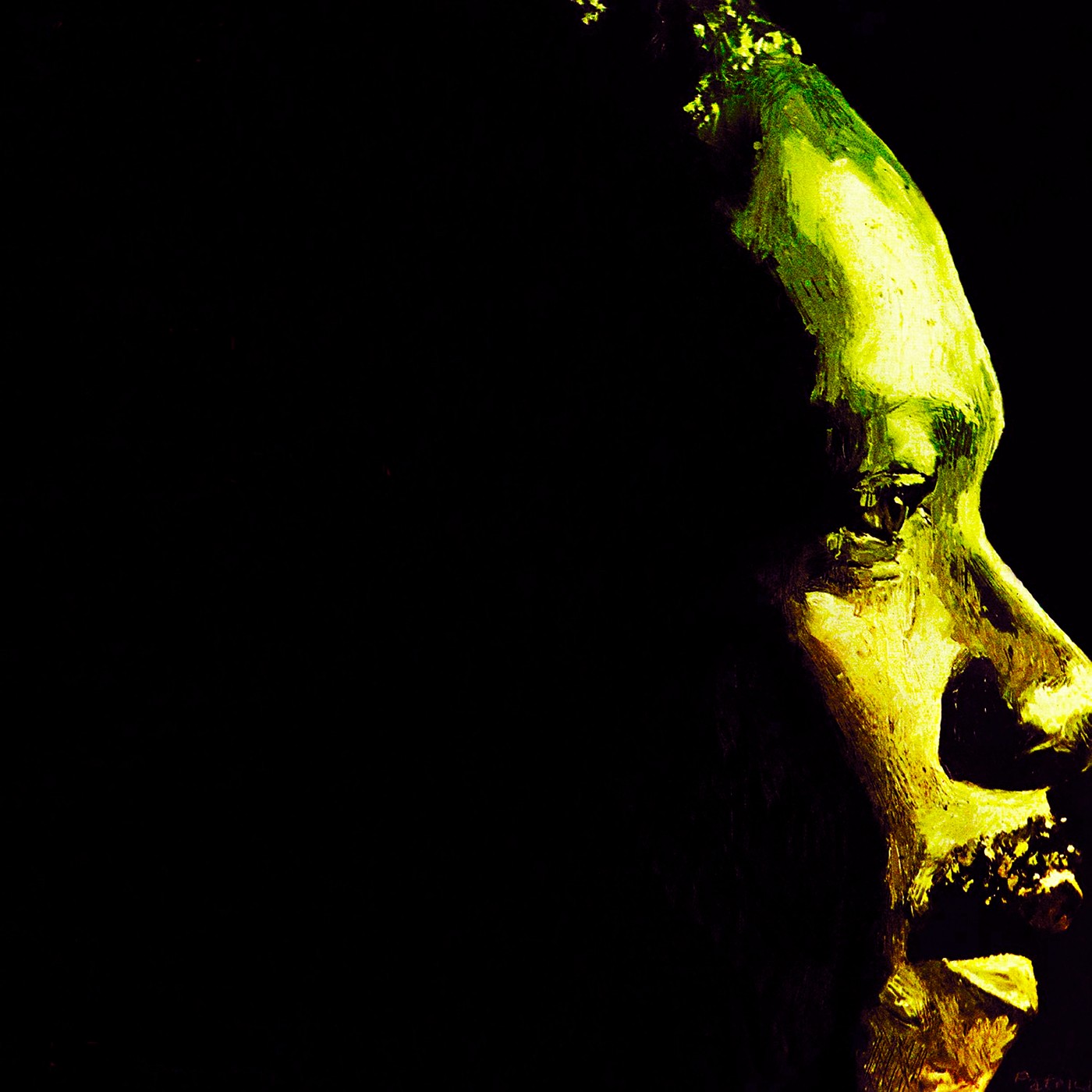
Musician Moacir Santos, born on July 26, 1926, in Flores, Pernambuco, would have turned 100 years old today. Hailing from the semi-arid Sertão do Pajeú region, Santos began extracting the rich essence of Brazilian music, which he termed 'black gold.' His early career involved local philharmonic bands before he moved to Rio de Janeiro in 1948, during the golden age of radio. He later relocated to the United States, embracing the jazz scene, and passed away in Pasadena, California, on August 6, 2006. A festival, the 1st Ouro Negro do Pajeú Festival, was held recently in his hometown to celebrate his centenary. While recognized as a genius among instrumentalists and music connoisseurs, Santos remains largely unknown to the general public. He is celebrated as the architect of the 1965 album 'Coisas,' considered a landmark in Brazilian discography for its innovative original compositions. Poet Vinicius de Moraes even lauded Santos in his 1966 song 'Samba da Benção,' calling him a master of rhythmic fusion, blending folklore with jazz. Santos's professional journey started in Pernambuco and Paraíba, with the Northeast serving as an initial inspiration. However, his distinctive, mixed sound was refined in the 1950s while working as a saxophonist and arranger for Rádio Nacional in Rio de Janeiro. This sound, deeply rooted in African rhythms, was later synthesized in 'Coisas.' Santos studied under prominent classical musicians like Hans-Joachim Koellreuter and Cesar Guerra-Peixe, and mentored musicians such as Baden Powell and João Donato. His music consistently drew from the Afro-Brazilian universe, using Brazilian rhythms like baião, maracatu, and samba as a foundation, which he then merged with the improvisational freedom of jazz and the sophistication of classical arrangements, creating music for orchestras and big bands.
The legacy of Moacir Santos highlights the complex relationship between artistic innovation and public recognition within Brazil's music industry. Despite his profound influence on instrumentalists and his critical acclaim for albums like 'Coisas,' his limited mainstream visibility suggests systemic challenges in how unique musical contributions are disseminated and valued beyond niche audiences. His journey from the Pernambuco sertão to international jazz circles underscores the potential for cross-cultural musical synthesis, yet also points to the enduring influence of regional origins on artistic identity. The celebration of his centenary through festivals indicates a growing appreciation for his work, prompting reflection on how cultural heritage is preserved and promoted in the digital age, particularly for artists whose work bridges popular, classical, and global genres.
AI-generated to prompt reflection — not editorial opinion, not advice, not a statement of fact. How this works.