Mobile Cinema Truck Launches Free Screenings in Manaus
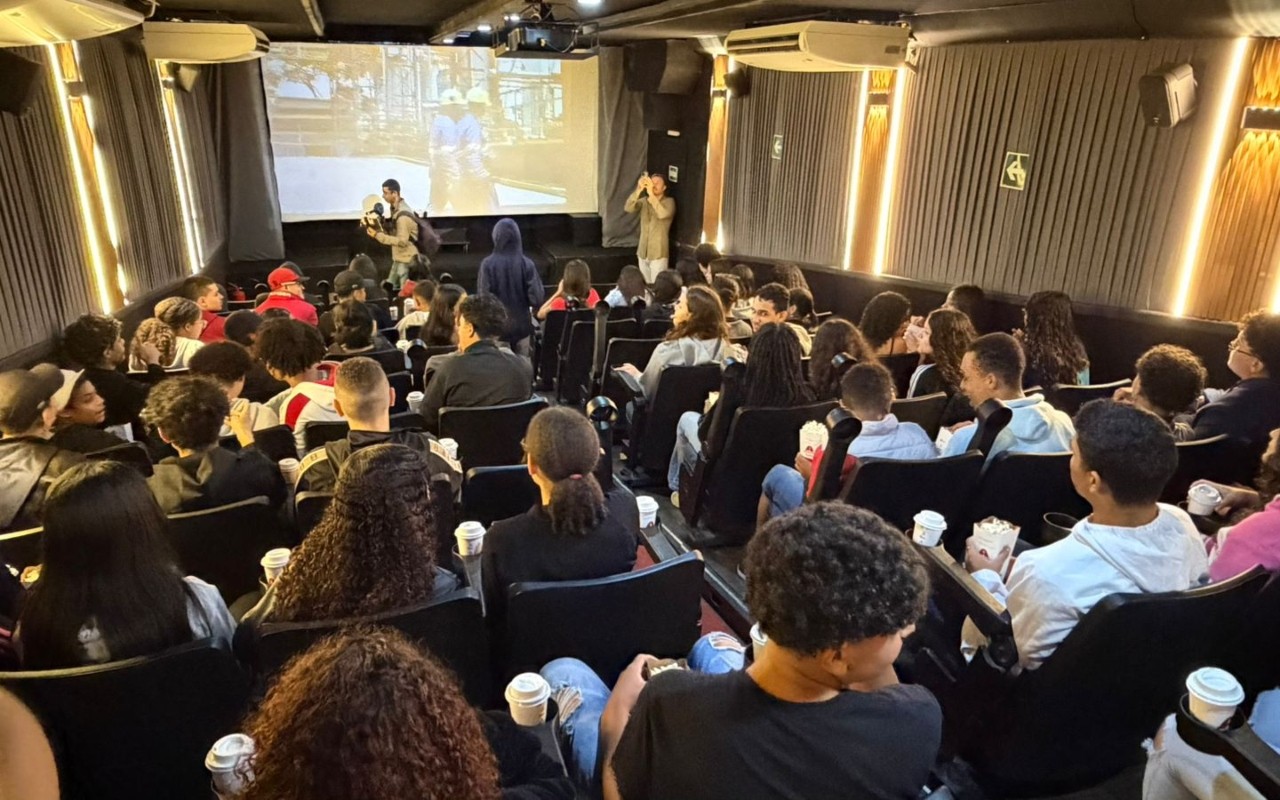
A unique traveling cinema, housed in a converted truck, has arrived in Manaus, Brazil, offering free movie screenings to the public. The initiative commenced on Tuesday, July 28th, and will run until July 30th at Campo da Comunidade Fé 3. This mobile theater will provide five free sessions daily, with showtimes at 8 AM, 10 AM, 2 PM, 4 PM, and 7 PM. Tickets will be distributed on-site one hour before each screening. Following its run in Manaus, the cinema truck is scheduled to tour various cities across Paraíba, Pernambuco, Minas Gerais, São Paulo, and Paraná. The complete film schedule is accessible on the project's website. The truck itself is nearly 20 meters long and replicates a conventional cinema, featuring 85 seats, including two designated for wheelchair users, along with digital projection, soundproofing, air conditioning, and a concession stand. This project is supported by the Ministry of Culture through the Rouanet Law and is produced by Instituto Acerte and Projetos com Incentivo. The initiative aims to increase cultural access and inclusion in areas with limited cinema availability, providing many individuals, particularly children, with their first cinematic experience. Data from Ancine and IBGE indicates that only 9% of Brazilian municipalities have movie theaters, and in the North region, 80% of the population must travel over an hour to see a film. The project's organizers highlight that this effort helps bridge that gap, demonstrating how technology can positively transform communities and offer dreams and dignity.
This initiative addresses a significant deficit in cultural infrastructure, particularly in Brazil's vast interior and less-developed regions, where access to cinemas is severely limited. By repurposing a truck into a mobile cinema, the project cleverly circumvents the substantial capital investment required for permanent theaters, enabling wider reach and impact. The reliance on government funding via the Rouanet Law, however, points to the ongoing challenge of private sector engagement in cultural development. Looking ahead, such mobile solutions could become increasingly vital in bridging digital and cultural divides, especially as AI-driven content creation and distribution models evolve. The project's success hinges on sustained operational funding and strategic route planning to maximize engagement across diverse communities, ensuring that technological accessibility translates into genuine cultural inclusion.
AI-generated to prompt reflection — not editorial opinion, not advice, not a statement of fact. How this works.