Mobile Communication Without Towers at Sea and in Mountains: How Is It Possible?
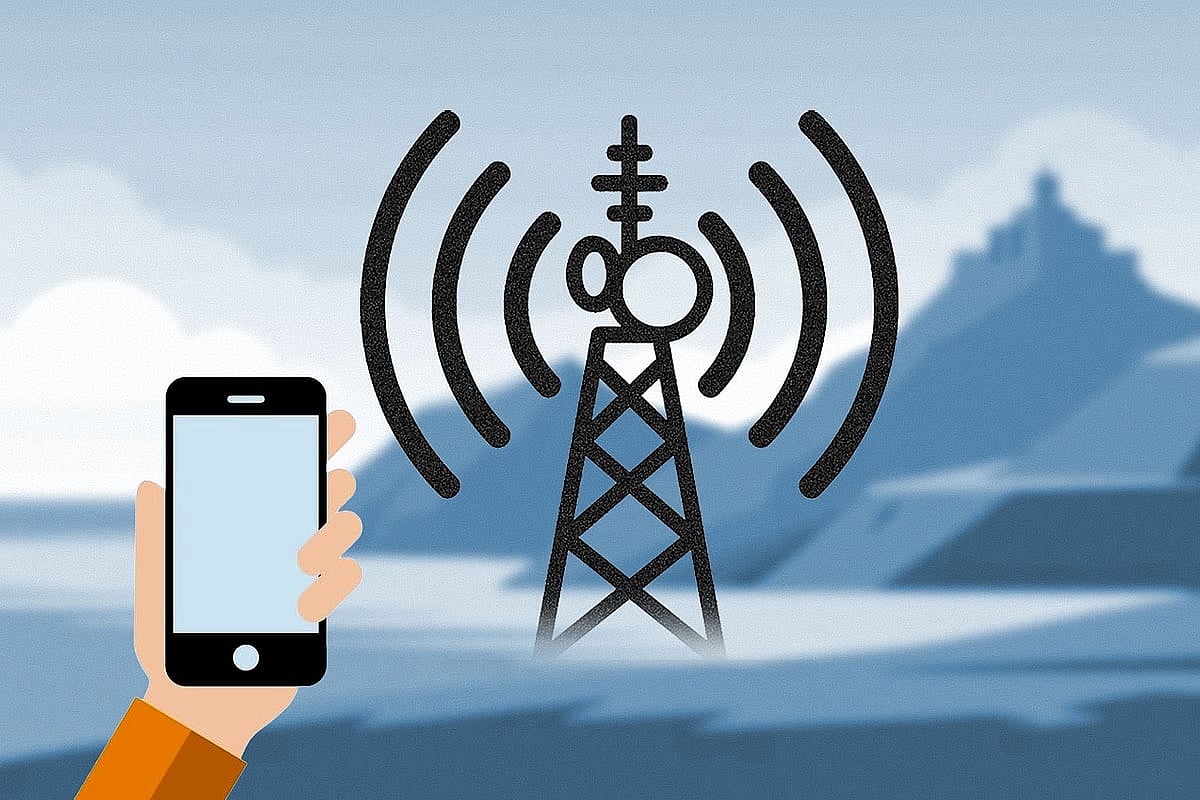
A new technology is emerging that allows mobile phone communication even in remote areas like seas and mountains, without the need for traditional cell towers. This innovation aims to bridge the connectivity gap in regions previously considered unreachable by standard mobile networks. The system leverages advanced satellite and network technology to provide a consistent signal. This development could significantly improve safety and accessibility for individuals in challenging environments. It also opens up possibilities for enhanced communication in disaster zones where tower infrastructure might be compromised. The exact technical details of how this tower-less communication is achieved are not fully elaborated in the provided text, but the implication is a significant leap in mobile network capabilities. This advancement promises to extend the reach of mobile services to previously underserved or unconnected populations. Further details on the implementation and availability of this technology are anticipated.
This technological advancement addresses a critical infrastructure challenge in telecommunications, potentially democratizing access to mobile connectivity in geographically difficult terrains. By reducing reliance on fixed tower infrastructure, the system may offer greater resilience and scalability, particularly in disaster scenarios or for maritime and remote exploration. The economic viability and widespread adoption will likely depend on factors such as service cost, data speeds, and the energy efficiency of user devices. Future developments could integrate this capability into broader IoT networks, enhancing situational awareness and remote operations across diverse environments.
AI-generated to prompt reflection — not editorial opinion, not advice, not a statement of fact. How this works.