Mobile Doctor's Offices in Brandenburg Address Rural Physician Shortage
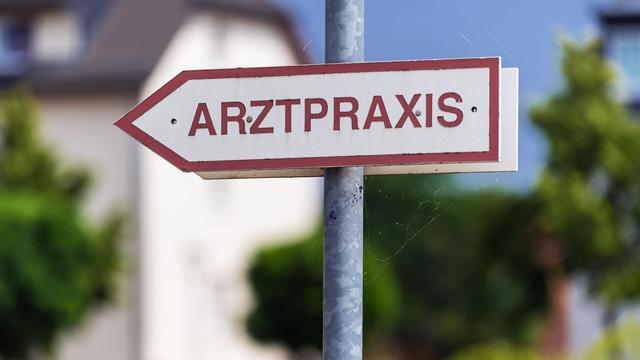
Brandenburg is exploring the concept of mobile doctor's offices to combat a severe shortage of physicians in rural areas. This initiative aims to bring healthcare services directly to communities that currently lack adequate medical facilities and practitioners. The "rolling doctor's practices" are envisioned as a way to overcome geographical barriers and improve access to primary care for residents in remote regions. However, the implementation faces several obstacles, suggesting that simply deploying mobile units may not be a straightforward solution. The specific challenges and hurdles associated with this approach are not detailed in the provided text, but the headline indicates that "recipes with obstacles" are involved. This suggests that regulatory, logistical, or financial issues may need to be addressed for the program to be successful. The goal is to ensure that all citizens, regardless of their location, can receive timely and necessary medical attention. The success of such mobile clinics in other regions could serve as a model, but Brandenburg's specific context will require tailored solutions. Further details on the proposed operational model and the nature of the identified obstacles are needed to fully assess the viability of this healthcare strategy.
The proposed mobile doctor's offices in Brandenburg represent an innovative response to the persistent challenge of rural healthcare access, driven by physician shortages. This approach acknowledges the systemic issue of uneven distribution of medical resources, often exacerbated by economic factors that favor urban centers. While mobile clinics can improve immediate access, their long-term sustainability may depend on addressing underlying incentives for physicians to practice rurally, alongside robust logistical and regulatory frameworks. The "obstacles" mentioned suggest that a comprehensive strategy must consider not only delivery but also the integration of these services into the broader healthcare system, including funding models and patient continuity of care. Looking ahead, such initiatives highlight the need for flexible healthcare delivery models in an era of demographic shifts and increasing demand, potentially paving the way for technology-enabled remote consultations to complement physical mobile units.
AI-generated to prompt reflection — not editorial opinion, not advice, not a statement of fact. How this works.