Mobile Health Project Provides Free Eye Care to Over 800 in Teresópolis
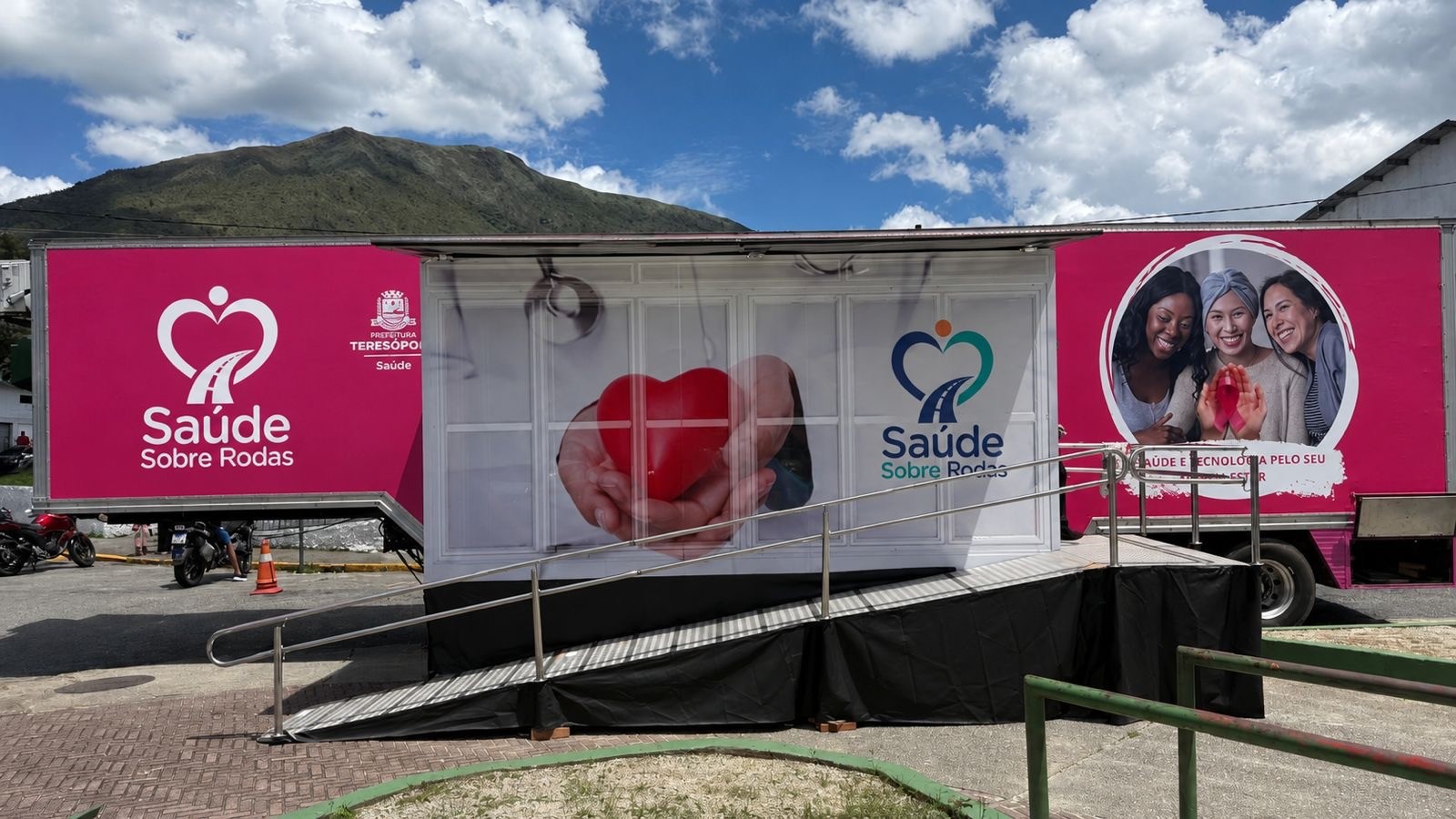
The "Saúde Sobre Rodas" (Health on Wheels) project delivered free ophthalmological care to over 800 residents of the Pessegueiros district in Teresópolis, Rio de Janeiro, on June 13th. The initiative utilized a mobile unit equipped with medical offices to offer eye exams and distribute prescription glasses to those needing visual correction. This program aims to improve access to specialized eye care for communities facing difficulties in obtaining such services. For many attendees, this marked their first comprehensive eye examination.
The mobile unit's strategy is to decentralize healthcare by bringing services directly to municipalities, reducing the need for long-distance travel and easing the burden on specialized care centers. In Teresópolis, the event was a collaboration with the Municipal Prefecture, supported by Mayor Leonardo Vasconcelos, and funded by a parliamentary amendment from Senator Romário. Operational logistics were managed by the To East agency. The "Saúde Sobre Rodas" project has previously conducted similar outreach in other municipalities within Rio de Janeiro and São Paulo states, focusing on vulnerable populations. The project continues to schedule future actions across Brazil, prioritizing visual health promotion and access to specialized services.
The "Saúde Sobre Rodas" initiative exemplifies a public health strategy designed to address geographical and socioeconomic barriers to specialized medical care. By deploying mobile units, the project effectively bypasses the infrastructure limitations and appointment backlogs often found in urban centers, thereby democratizing access to essential services like ophthalmological exams and corrective eyewear. This model highlights the critical role of public-private partnerships and parliamentary funding in extending healthcare reach. Looking ahead, such itinerant health solutions will likely become increasingly vital in an era where technological advancements can augment diagnostic capabilities in remote settings, but systemic disparities in healthcare access persist. The long-term impact hinges on sustained funding and integration with broader public health frameworks to ensure continuous care beyond single-day events.
AI-generated to prompt reflection — not editorial opinion, not advice, not a statement of fact. How this works.