Mobile ICU Ambulances Deployed to Northern Minas Gerais Municipalities
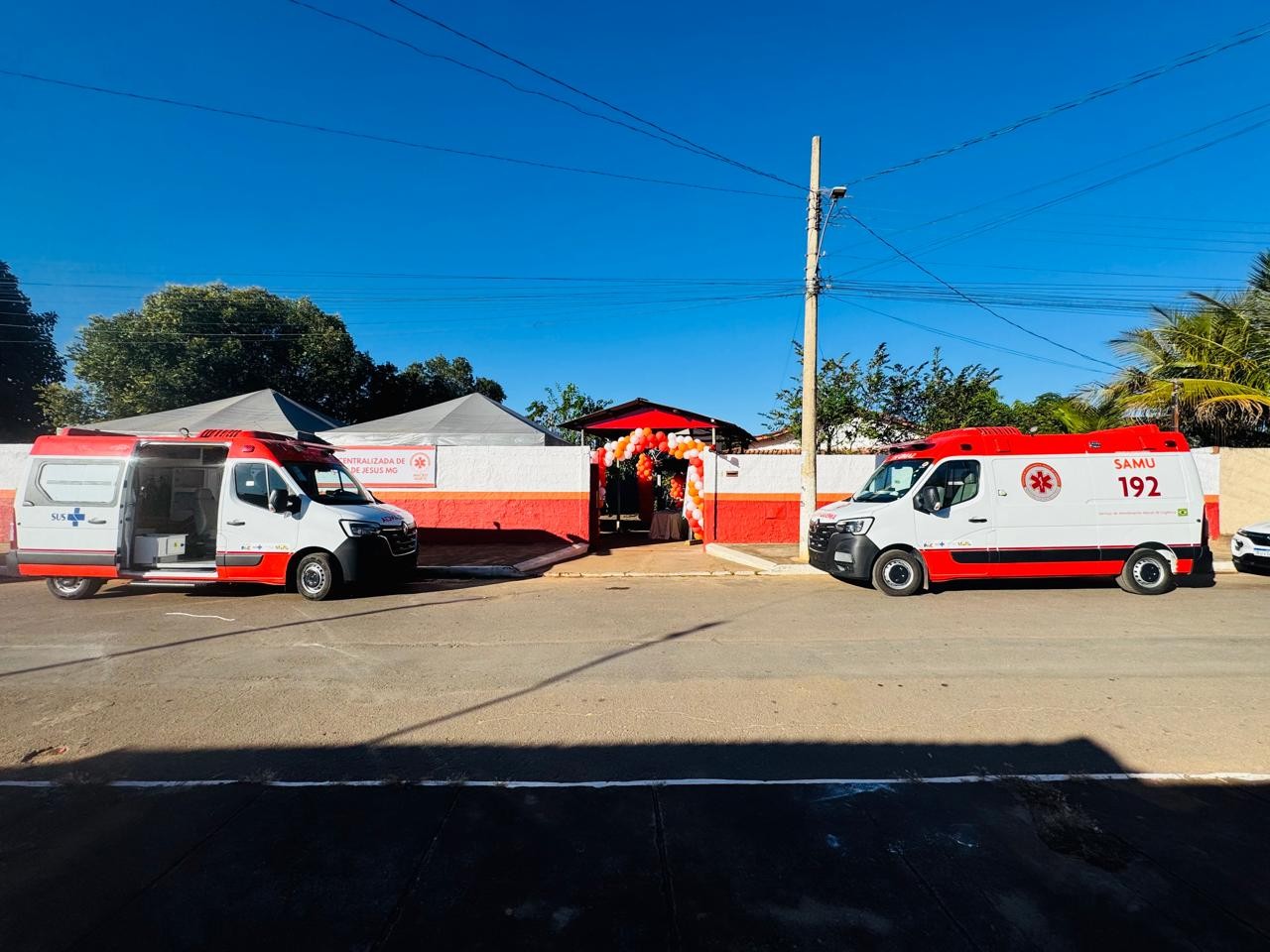
Five municipalities in Northern Minas Gerais have received new Advanced Support Units (USAs) from the Mobile Emergency Care Service (Samu) this week. The municipalities of São Francisco, Coração de Jesus, São João da Ponte, Porteirinha, and Jaíba will utilize these ambulances, which function as mobile ICUs, for high-complexity emergencies. These new units are equipped with advanced technology and staffed by a team comprising a doctor, a nurse, and a driver-paramedic. Previously, these cities were served by Basic Support Units, which have a technician and a driver-paramedic. According to Zildete Ferreira de Souza, executive director of Cisrun/Samu Macro Norte, the deployment of these USAs will decrease response times for complex incidents, enhance the operational capacity of Samu Macro Norte, and improve healthcare services for thousands of residents in the covered municipalities and the surrounding region. Gonçalo Antônio Mendes de Magalhães, president of Cisrun, stated that the introduction of these units signifies a significant achievement for Samu Macro Norte and underscores their commitment to the 86 associated municipalities and the provision of quality emergency care.
The expansion of advanced emergency medical services, exemplified by the deployment of mobile ICU ambulances, represents a critical investment in public health infrastructure. This initiative aims to address disparities in healthcare access, particularly for complex medical emergencies in underserved regions. The integration of specialized medical personnel and equipment into mobile units is a strategic approach to improving patient outcomes by providing critical care closer to the point of need, potentially reducing mortality and morbidity rates. Looking ahead, the sustainability and scalability of such programs will be key, alongside ensuring equitable distribution and continuous technological advancement to meet evolving healthcare demands in the coming decade.
AI-generated to prompt reflection — not editorial opinion, not advice, not a statement of fact. How this works.