Mobile Kitchen Offers Free Baking Courses in Araraquara
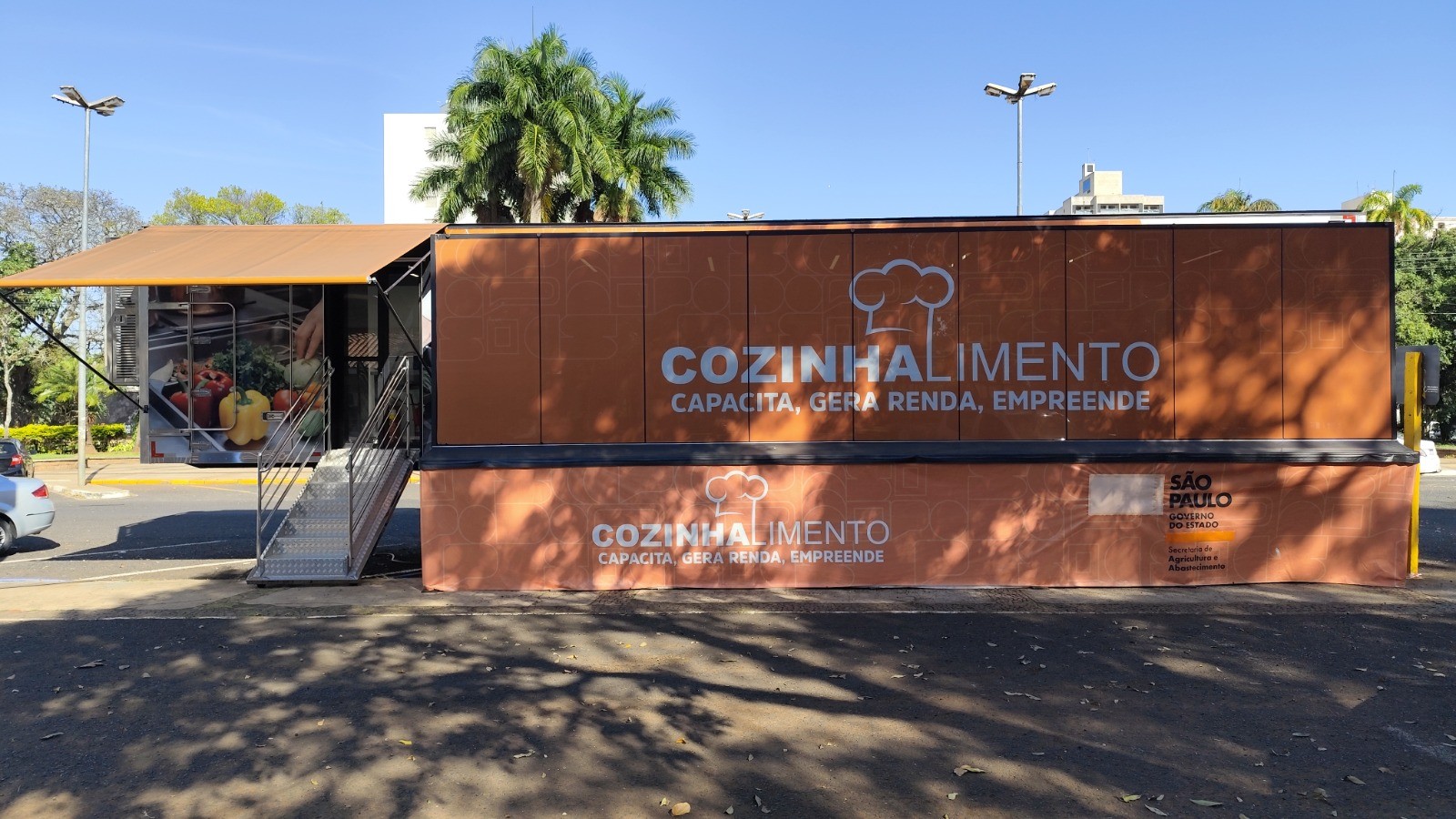
The 'Cozinhalimento' mobile kitchen unit has arrived in Araraquara, Brazil, offering free professional baking courses. This initiative, a collaboration between the Araraquara City Hall and the São Paulo State Secretariat of Agriculture and Supply, aims to enhance professional skills, promote healthy eating, and generate income for residents. The opening ceremony took place on Monday, July 27th, at Praça Pedro de Toledo. The mobile kitchen will be in Araraquara from July 28th to July 31st, providing two free baking classes for individuals aged 16 and above. All 50 available spots were quickly filled, indicating strong public interest in vocational training. Participants will learn various bread-making techniques, from traditional to specialized recipes, equipping them for home use or entrepreneurial ventures. The 'Cozinhalimento' project, developed by the State Secretariat, travels to municipalities across São Paulo with fully equipped mobile kitchens to foster professional qualification and new employment opportunities. The launch event was attended by Mayor Dr. Lapena, Director of Food Security Rodrigo Simões (representing State Secretary Geraldo Melo Filho), Municipal Secretary of Agriculture and Supply João Henrique Freitas, Vice-Mayor Meire Laurindo, and several local officials and residents. Mayor Lapena emphasized the partnership's role in expanding training opportunities, stating the course can transform culinary skills into a source of income. Rodrigo Simões highlighted that the project aligns with food security and social development goals, aiming to provide quality training that stimulates entrepreneurship and broadens income generation possibilities.
This initiative leverages mobile educational infrastructure to address local workforce development and food security needs. By offering free, skills-based training in a high-demand area like baking, the program directly targets economic empowerment and entrepreneurship. The rapid filling of all available spots underscores a clear demand for accessible vocational education. The program's success hinges on sustained public-private partnerships and the scalability of its mobile model to other municipalities facing similar challenges. Future iterations could explore integration with local food supply chains or micro-financing options to further bolster entrepreneurial outcomes and long-term economic resilience in the communities it serves.
AI-generated to prompt reflection — not editorial opinion, not advice, not a statement of fact. How this works.