Mobile mammography unit offers free screenings in three Bahia cities
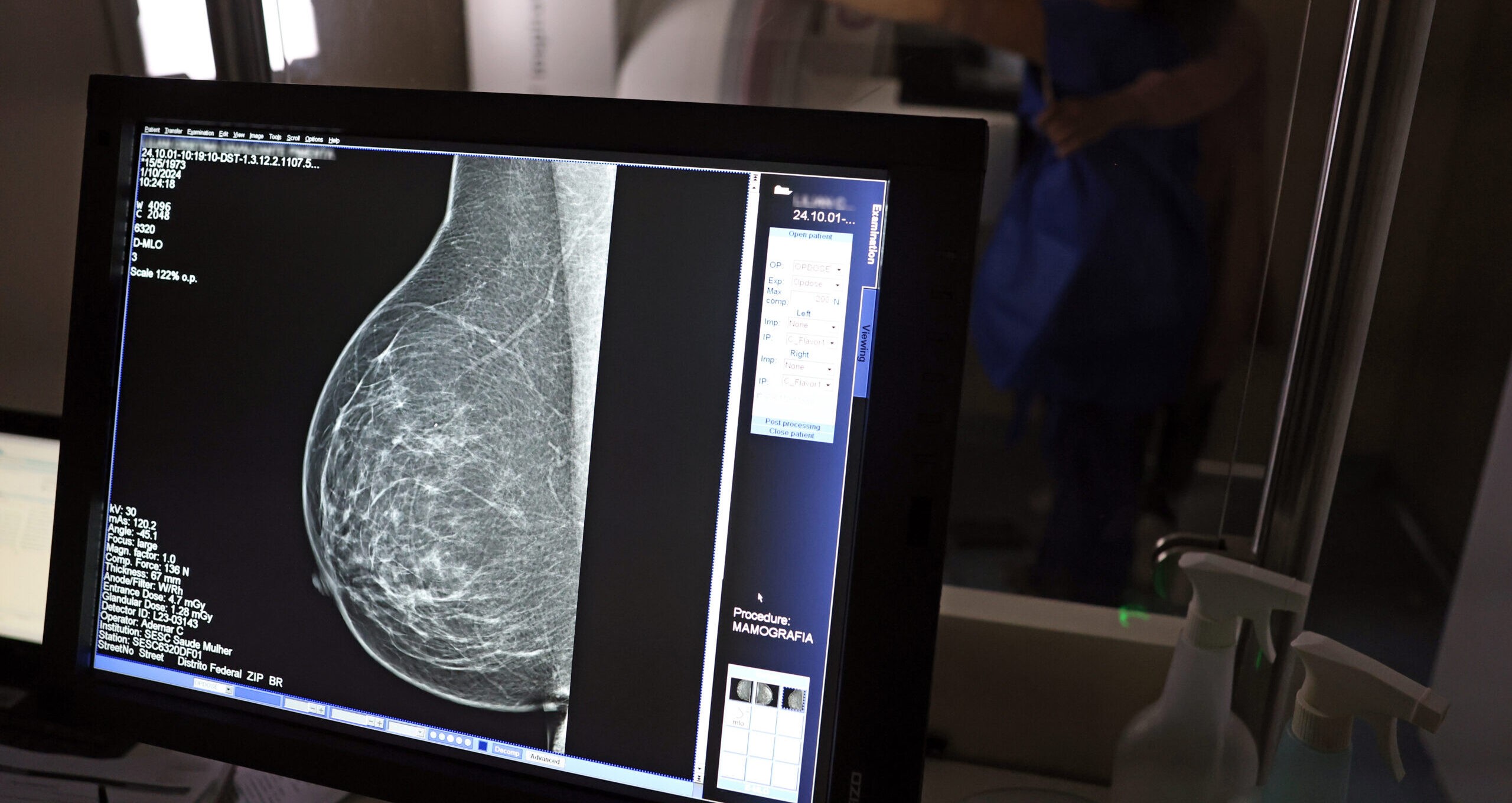
A mobile mammography unit is providing free breast cancer screenings for women aged 40 and older in Feira de Santana, Jequié, and Alagoinhas, Bahia, from July 20 to August 8. This initiative targets women who have not had a mammogram in at least 12 months and are considered to be in social vulnerability. The program aims to increase access to breast cancer screening in municipalities with low examination coverage rates. To participate, interested women must register on the Américas Amigas website; no medical referral or proof of residence is required. Appointments will be based on triage and availability, with the unit capable of performing approximately 80 mammograms daily. In Jequié, screenings will take place from July 20-24 at The Church of Jesus Christ of Latter-day Saints on Avenida Castelo Branco. Feira de Santana will host the unit from July 27 to August 1 at the same church location. Alagoinhas will be the final stop, from August 4-8, also at The Church of Jesus Christ of Latter-day Saints. Américas Amigas selected these cities due to their significantly low mammography coverage rates: Feira de Santana at 15.1%, Jequié at 16.7%, and Alagoinhas at a mere 0.4%, far below the WHO's recommended 70%. The mobile unit will also visit locations in Sergipe, including Nossa Senhora do Socorro, Maceió, and Palmeira dos Índios, with an overall goal of conducting around 2,480 mammograms during the operation.
This initiative addresses a critical public health gap by deploying mobile resources to underserved populations, directly confronting low mammography screening rates in specific Bahia municipalities. The program's design, prioritizing social vulnerability and simplifying access requirements, reflects an understanding of systemic barriers to healthcare. By focusing on cities with coverage well below WHO recommendations, the effort highlights disparities in preventative care access. Future strategies could explore sustainable models for ongoing screening beyond temporary campaigns, potentially integrating mobile units with local health infrastructure to ensure continuity of care and long-term impact on early cancer detection rates.
AI-generated to prompt reflection — not editorial opinion, not advice, not a statement of fact. How this works.